Japan loosens arms export rules, expands sales — SkimNews
Get the Geopolitics newsletter
Daily geopolitics — wars, elections, sanctions, the diplomatic moves that move markets. Free.
- Japan ended a near‑blanket ban on arms exports in 2014, allowing humanitarian assistance, security cooperation transfers, and joint development programmes.
- Japan approved the lease of five used TC‑90 trainer aircraft to the Philippines in 2016, marking the first significant military equipment transfer since the rule change.
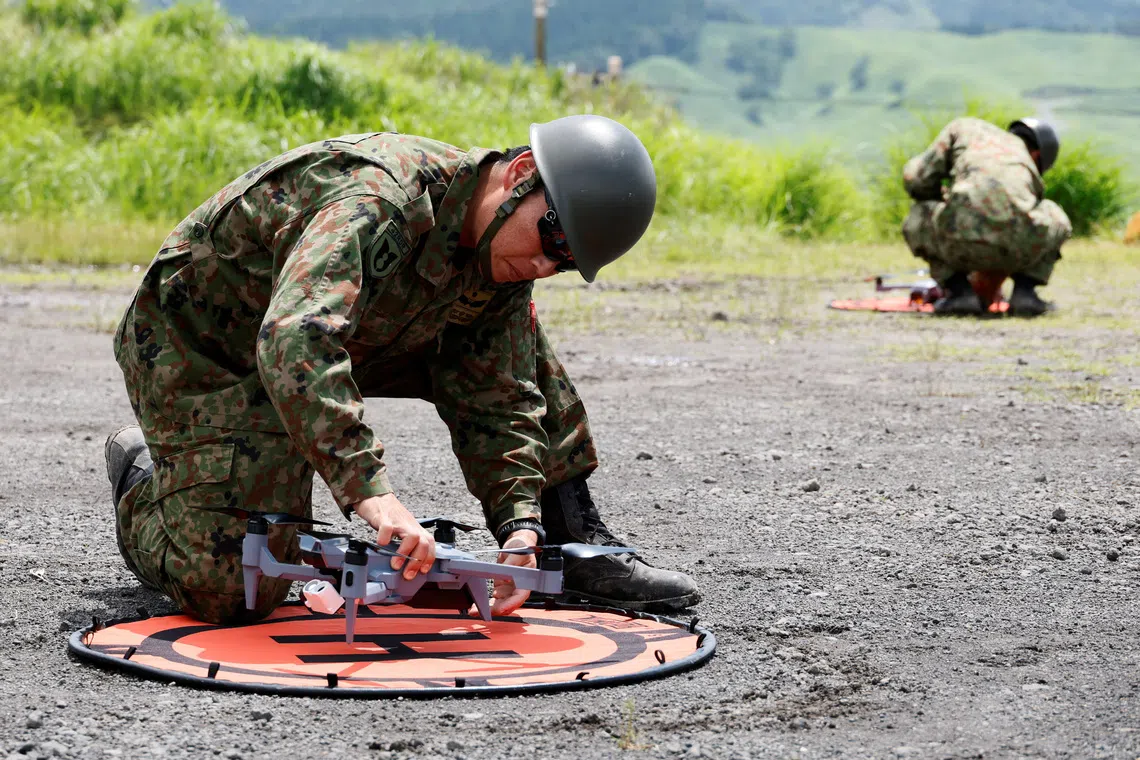
- Japan established the Overseas Security Assistance (OSA) programme in 2023, delivering patrol boats, drones, and radar systems to Indonesia, Bangladesh, Tonga, Sri Lanka, Djibouti, and the Philippines.
- Japan loosened its 2014 export rules in 2023 to permit equipment built under licence to be sold back to the country of origin, enabling Mitsubishi Heavy Industries to supply Patriot air‑defence missiles to the United States.
- Japan tweaked export restrictions in 2024 to allow future overseas sales of the GCAP stealth fighter while keeping conflict‑zone exports prohibited except in extraordinary cases.
- Japan recommended scrapping limits that confine arms sales to five categories in 2026, maintaining a ban on conflict‑zone exports except in extraordinary cases.
Why it matters: Japan's incremental dismantling of its post‑war arms export ban opens new markets for its defence firms and deepens security ties with allies, while still preserving a ban on sales to active conflict zones, limiting revenue from war‑torn regions and reducing dependence on domestic procurement.
Ask SkimNews