Iran Ceasefire: Trump Backs 10-Point Plan, Israel Bombs On — SkimNews

SkimNews Take
A cease-fire that leaves the Strait open but under tighter Iranian control illustrates how partial pauses can entrench operational gains even without formal settlement, making the hold more durable than the negotiation that produced it.
Get the Geopolitics newsletter
Daily geopolitics — wars, elections, sanctions, the diplomatic moves that move markets. Free.
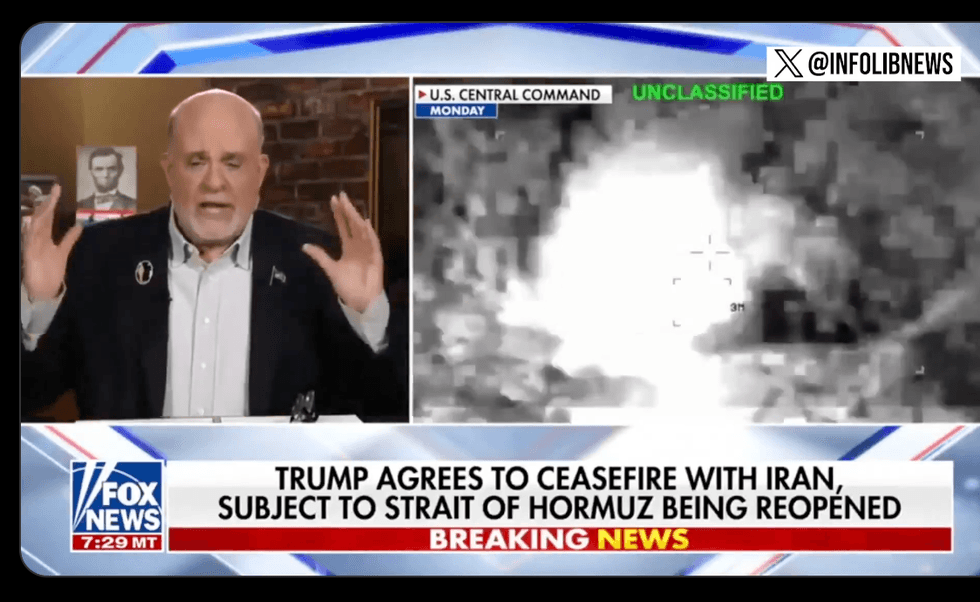
- Iran proposed a 10-point ceasefire plan calling for an end to Middle East wars and a return to the JCPOA nuclear deal, which Trump described as a 'workable basis for negotiation'.
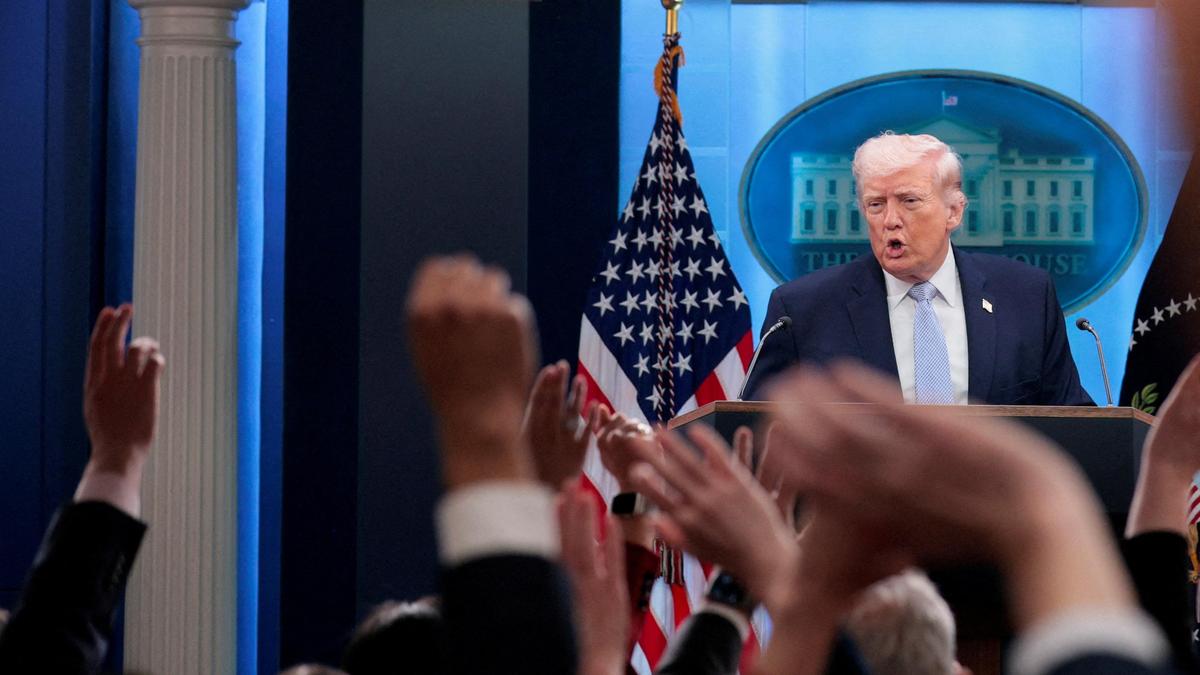
- Trump endorsed Iran’s 10-point plan despite likely not understanding its full implications, while secretly seeking a ceasefire off-ramp through Pakistan even as he publicly claimed Iran was begging for peace.
- Israel has launched renewed strikes, including carpet bombing in Beirut that killed hundreds, actively working to undermine the ceasefire it initially provoked through advocacy for regime change in Iran.
- Netanyahu and Mossad officials pitched Trump on a one-day decapitation strike in Iran to seize control of its oil, a plan contradicted by U.S. intelligence but supported by Christian Zionists and Trump allies.
- The UN has repeatedly affirmed the legitimacy of armed struggle for self-determination, including through Resolution 37/43 (1982), a principle central to resistance against Israeli expansionism.
- A 2025 Pew survey found most Jewish Americans lack confidence in Netanyahu and support the two-state solution, while overall American sympathy for Israel has reached a 25-year low.
Why it matters: The ceasefire shifts leverage to Iran diplomatically, as Trump’s desperation for an exit and public opposition to Israel undercut Netanyahu’s strategy of perpetual war for regional dominance. With U.S. public opinion turning, continued Israeli aggression risks isolating the country further and derailing any lasting security framework.
Ask SkimNews