US-Iran Deal: Strait Tolls Split, $12B Friday, 60-Day Clock — SkimNews
Get the Geopolitics newsletter
Daily geopolitics — wars, elections, sanctions, the diplomatic moves that move markets. Free.
- Trump administration and Iran agreed on a peace-deal framework, with a formal signing ceremony for a "memorandum of understanding" scheduled for Friday in Switzerland; the text could come sooner, per Vice President J.D. Vance.
- The MOU extends the existing ceasefire 60 days while negotiators pursue a broader deal potentially covering Iran's nuclear program, setting a new mid-August deadline — a 60-day window one analyst called the time to "iron out the thorniest details."
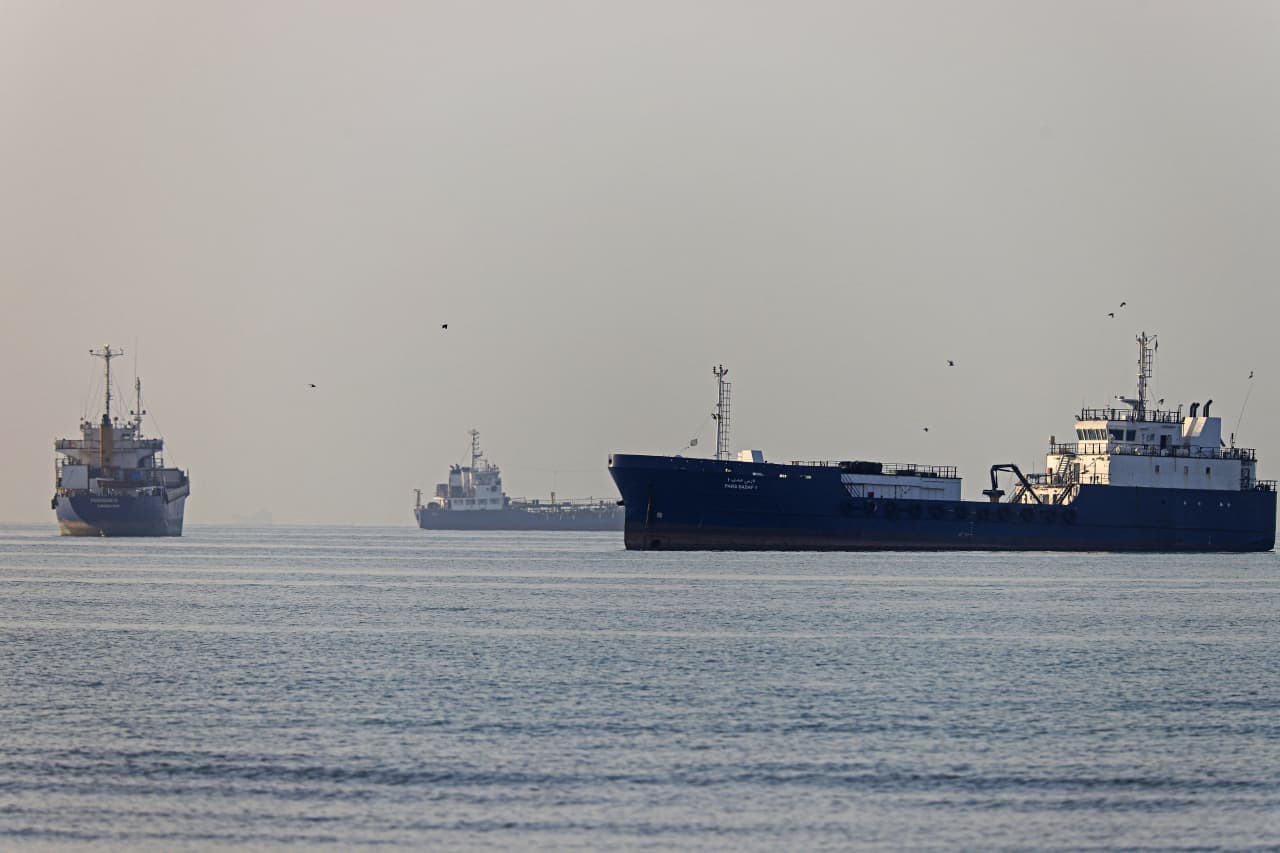
- The Strait of Hormuz is the market's focus: the framework ties reopening to ending Iranian threats to vessels and the American naval blockade of Iranian ports, though Trump's claim the strait will be "completely open" Friday is complicated by Iranian mines needing to be cleared.
- Toll terms are openly split: Vance said the US expects the waterway "opened in a toll-free way for the long term," while Iran has framed the first 60 days as a "special introductory offer" before charging for "safety, navigation, environmental and insurance services."
- Iran is set to receive $12 billion in frozen funds Friday plus sanctions waivers, with another $12 billion after 60 days, per Santander US; Iran continues to call for at least $300 billion in war reparations, while Vance said a reconstruction fund of that size would be funded by Persian Gulf nations and tied to nuclear conditions.
- A Wall Street Journal report Tuesday, citing unnamed sources, said sanctions waivers permitting Iranian oil sales are expected to take effect this week — coinciding with crude oil futures (CL00) trading down 5.99% on the session.
- Trump said Tuesday he "will probably have a press conference and read it to you word by word," though it's not clear that will happen; a Wednesday press conference in France after G7 meetings is already on his schedule.
Why it matters: The toll disagreement is a structural fault line: the US frames the Strait as toll-free in perpetuity while Iran frames 60 days as a teaser rate, meaning the mid-August deadline could reopen the dispute just as Iranian oil — freed by sanctions waivers expected this week per the WSJ — enters the market alongside $12B in released frozen funds.
Ask SkimNews