Bipartisan Consensus Limits Midterm Leverage on Iran — SkimNews
Get the Geopolitics newsletter
Daily geopolitics — wars, elections, sanctions, the diplomatic moves that move markets. Free.
- Alan Eyre described a bipartisan consensus in Washington, with both major parties sharing common ground in opposing the political structure of the Islamic Republic and backing policies that pressure Tehran to change its behavior.
- John Bolton expects Democrats to take the House and possibly the Senate, handing Congress control of Iran war funding and defense budgets, but says a two-thirds majority in both chambers is required to override a presidential veto.
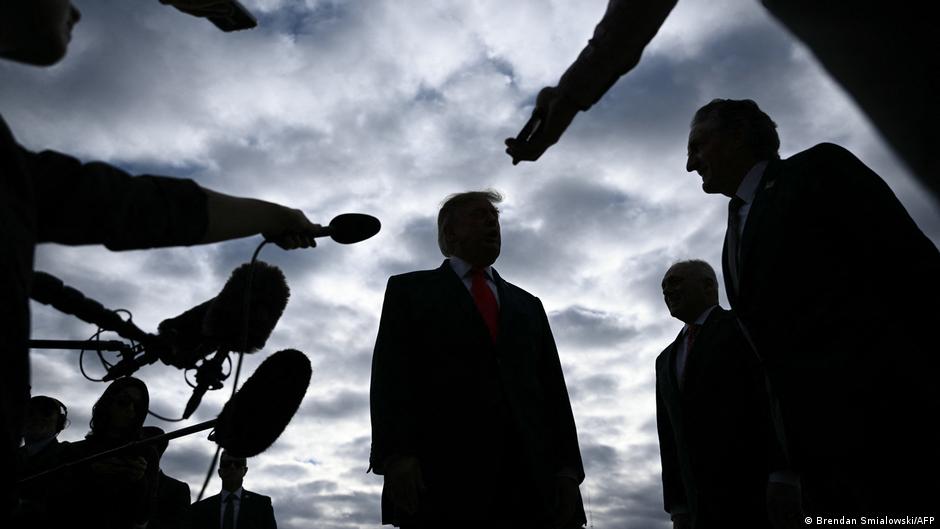
- Trump downplayed the war on the campaign trail, claiming only "one or two targets" remained in Iran and could be settled in 10 minutes, while adding that messages are still being exchanged and Tehran is interested in a deal; Bolton says Trump will decide his next steps only after the election.
- Israel and the United States are reportedly preparing a new round of strikes on Iran just after the November 3 midterm election, while Tehran — which confirmed indirect communication via Doha and Muscat — has warned of a "crushing response" to strikes on underground sites.
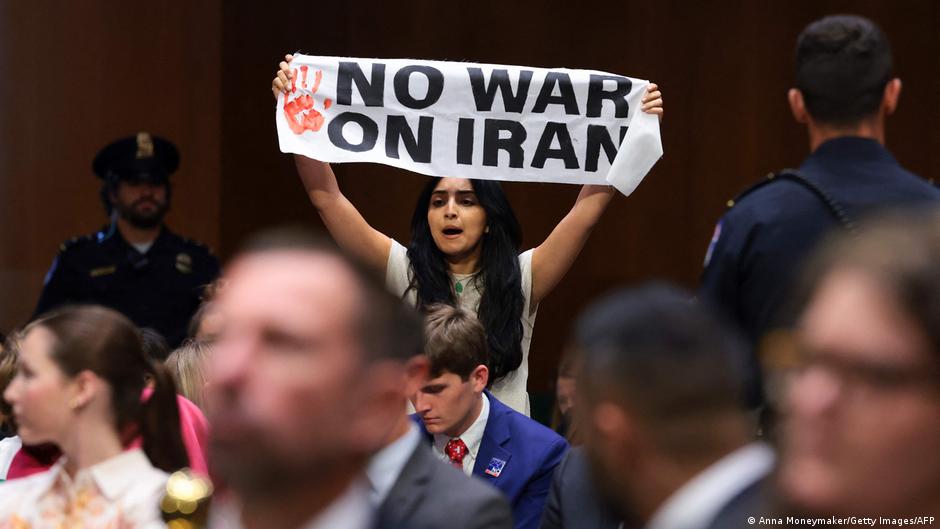
- Ted Cruz urged arming Iranian protesters to overthrow the regime after a day with Trump, while Michigan Senate nominee Abdul El-Sayed calls the conflict "illegal" and "stupid."
- Shahin Modarres says Tehran's pre-November strategy — dragging out peace talks, pressuring the Strait of Hormuz and letting fuel prices weigh on U.S. voters — rests on a miscalculation that a Democratic Congress can easily restrain the White House, and notes both parties largely agree Iran must not develop nuclear weapons.
- United States diplomacy fails to convey a clear, coherent and authentic message to Iranian society, with official positions only incompletely reflected in the media most Iranians rely on, and Eyre calls the gap between Washington's words and deeds structural, spanning administrations and election cycles.
Why it matters: For the Nov. 3 midterms, the binding constraint is not the seat count but the two-thirds threshold needed to override a presidential veto, plus the shared party ground on pressuring Tehran. That leaves congressional Democrats with funding leverage but little ability to halt an Israeli or U.S. strike decision Trump takes after the vote.
Ask SkimNews