World Leaders Frame Climate as Security at NYC Climate Week — SkimNews

Get the Energy newsletter
Daily energy & climate — solar, EVs, oil, the policy fights and tech bets shaping the transition. Free.
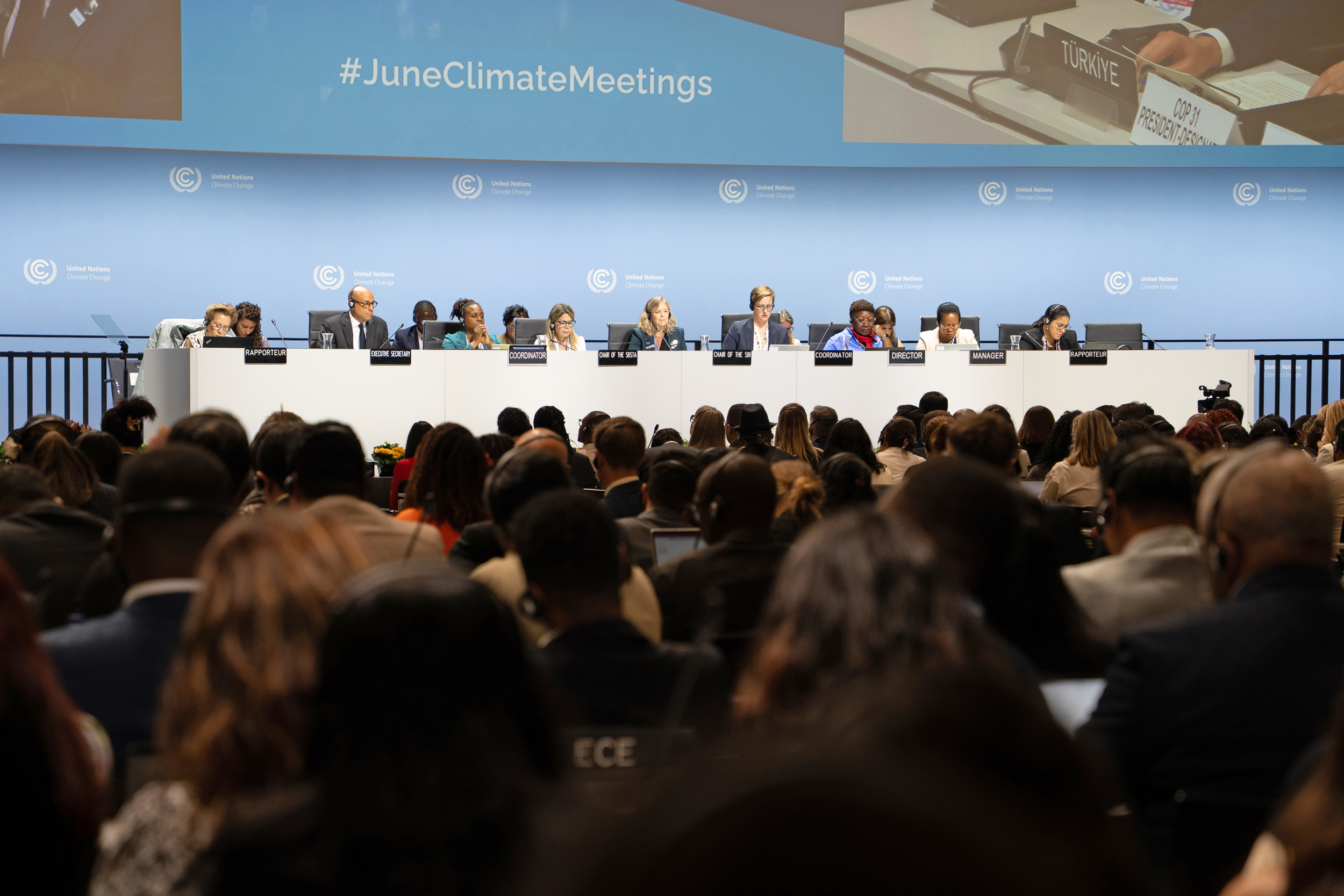
- Climate Week NYC opened Monday alongside the UN General Assembly with Australian PM Anthony Albanese giving the opening keynote and Iceland's PM Kristrún Frostadóttir delivering closing remarks; organizers said it is the largest iteration yet with more than 100,000 attendees
- Kristrún Frostadóttir recounted Iceland's 1970s oil-crisis pivot to geothermal — driven by "across party consensus that outlasted several governments" — and said nearly every Icelandic home now runs on renewable energy, with geothermal providing more than 90% of it
- Selwin Hart, UN assistant secretary general for climate action, said the Iran war is "serving as a wake-up call for countries, businesses and people really to break the fossil fuel addiction," a security framing echoed across the day's speakers
- Ed Miliband, the UK's foreign minister, called fossil fuel dependence a "fossil fuel roller coaster" tied to Russia's invasion of Ukraine and the US's war in Iran, and urged governments to embed climate and nature into national security threat assessments
- Lt Gen Richard Nugee, a retired senior British army officer, warned that Gulf waters are getting so hot they may not cool warship engines and said small military vehicles should go hybrid for stealth and crew benefits, not emissions
- Ingka Group (Ikea's largest retailer) announced a new solar park in South Carolina with 178,000 panels, with sustainability chief Karen Pflug saying energy efficiency saves the company millions annually and is "good business sense" regardless of the political backdrop
- Helen Clarkson, CEO of the Climate Group, flagged rising "climate hushing" as politicians and business leaders sidestep the climate amid wars and inflation, even as polling shows voters continue to link cost-of-living and climate concerns
Why it matters: Speakers conspicuously avoided naming Trump administration rollbacks — including nearly $4bn in taxpayer funds to halt offshore wind projects and weakened emissions standards for vehicles and coal plants — while pivoting to a security frame that ties fossil fuel dependence to the Iran war and Russia's invasion of Ukraine. The reframing recasts climate action as a strategic necessity governments can champion without publicly naming the holdouts, but it leaves the largest emitter's pullback unaddressed.
Ask SkimNews