US Skips Bonn Climate Talks; Iran Attack Still Shapes Them — SkimNews
Get the Energy newsletter
Daily energy & climate — solar, EVs, oil, the policy fights and tech bets shaping the transition. Free.
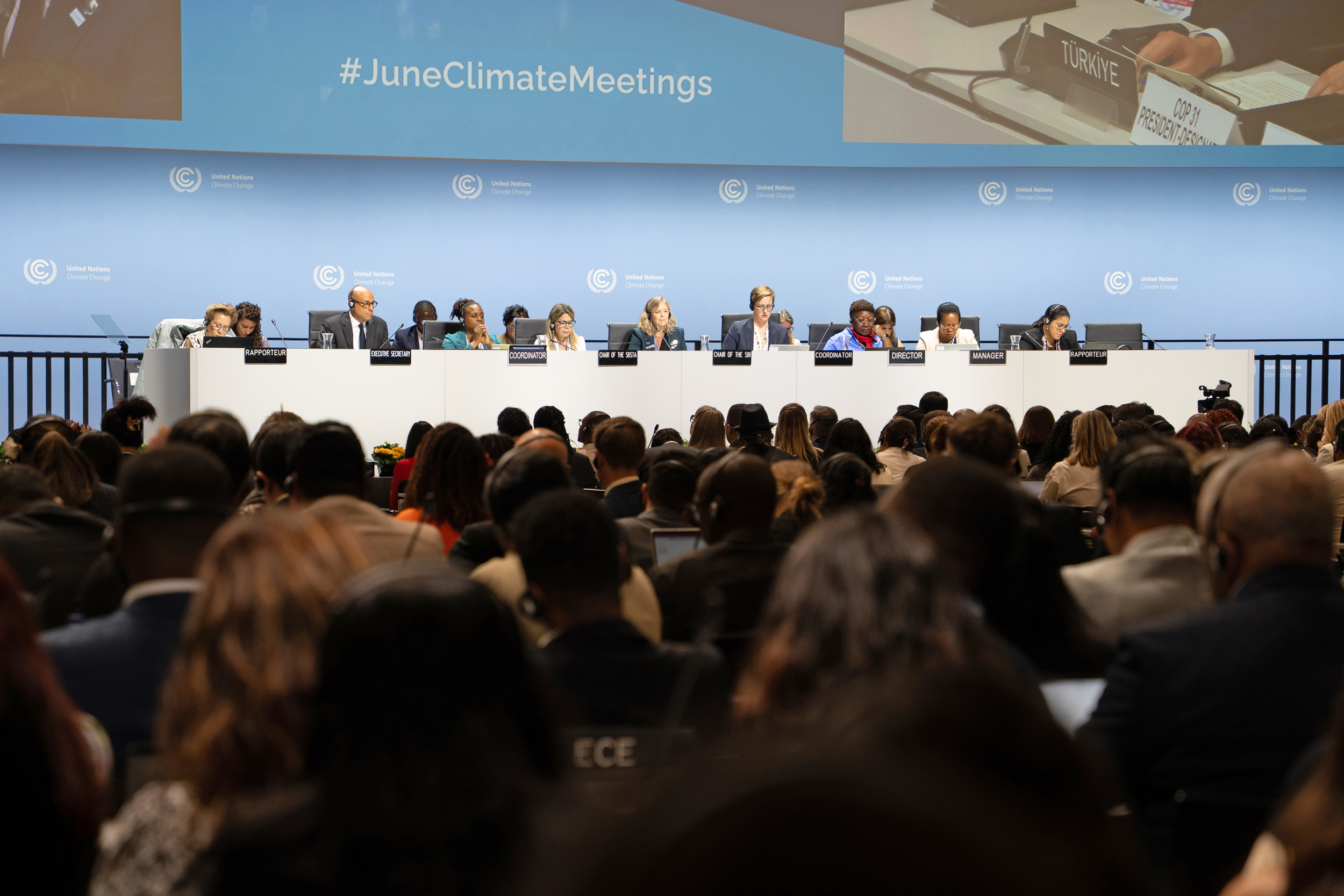
- UNFCCC's Bonn climate talks ran 11 days without a US federal delegation, even as the State Department declined to comment to Inside Climate News on its absence.
- The US attack on Iran and its energy-market ripple effects shaped corridor conversations, fueling both fears that military conflicts are sidelining climate action and a renewed argument that shifting off oil, coal, and gas reduces geopolitical exposure.
- UNFCCC executive secretary Simon Stiell said the talks saw "side-stepping and stalling" on climate finance, warning parties "cannot afford to re-open previous decisions" or "backslide" on existing global commitments as global warming accelerates.
- The loss and damage fund—meant to pay out billions for irreparable climate impacts—holds only about $100 million in contributions, less than the cost of a week of war in Iran or Ukraine, per youth activist Analyah Schlaeger dos Santos.
- A Saudi Arabian delegate cast the kingdom as a climate victim at the closing plenary, citing extreme heat and drought, despite a documented 30-year record of obstructing international climate action.
- Dos Santos, a Minneapolis youth activist speaking at a June 16 Bonn press conference, called the US "the largest historical polluter in the world" and said its absence is "egregious" given its historical responsibility and capacity to act.
- Delegates used Bonn to set up groundwork for COP31 in Antalya, Turkey, scheduled for November.
Why it matters: The fund designed to compensate vulnerable nations for climate destruction holds roughly $100 million—less than the cost of a week of fighting in either Iran or Ukraine. That single comparison quantifies the scale gap between climate reparations promised to frontline countries and the military budgets now crowding out climate diplomacy.
Ask SkimNews