Iran War Disrupts Solar Supply Chains as Coal Surges — SkimNews

Get the Energy newsletter
Daily energy & climate — solar, EVs, oil, the policy fights and tech bets shaping the transition. Free.
- Strait of Hormuz disruptions from US-Israeli strikes on Iran have affected 20% of global oil flows, while the Middle East's 9% share of global aluminum production — a key material for solar panels — faces shutdowns that threaten clean-energy supply chains.
- Spain, Portugal, Pakistan, China, and Nepal have been buffered from the crisis by clean energy growth, with rooftop solar surging in Pakistan and EVs making up 50%+ of new car sales in China and 70% in Nepal.
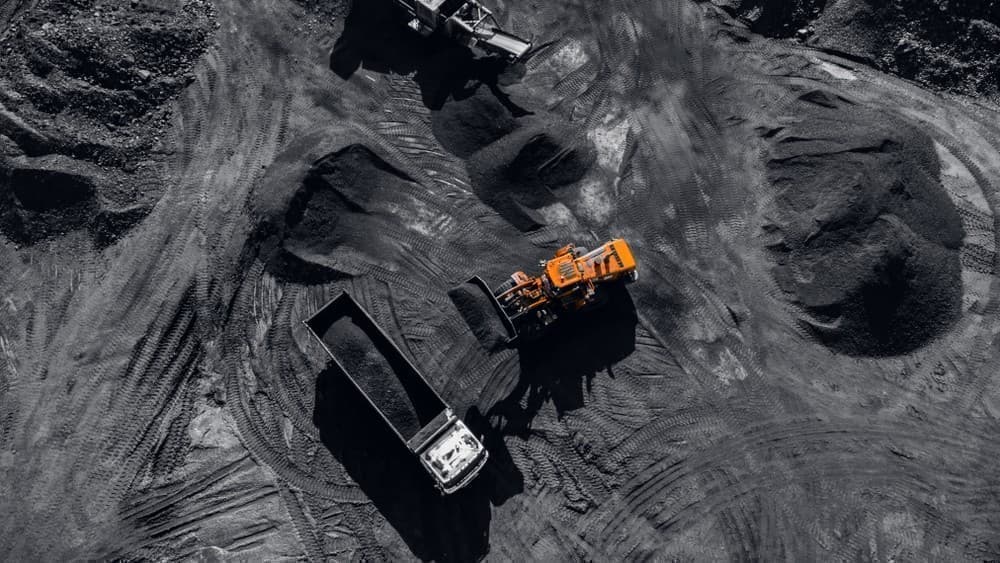
- India, Thailand, and Vietnam are burning more coal to offset LNG shortfalls after Iranian missiles struck Qatar's LNG terminal — the world's largest — this month, likely reversing China's 2025 coal-reduction trend.
- Venture Global signed a new five-year LNG contract with Vitol, while Canada's TC Energy said Iran war disruptions increased the likelihood of expanding a major LNG export facility.
- The White House announced Monday it would pay a French company $1bn to abandon offshore windfarm plans in favor of fossil fuel projects, while Donald Trump — whose campaign accepted record oil and gas donations — has taken steps to further incentivize oil expansion.
- Experts are split on the response: Jan Rosenow (Oxford) and Ira Joseph (Columbia) warn of a carbon lock-in effect from fossil fuel expansion, while Ember strategist Kingsmill Bond called it "the first oil shock in history where oil faces a superior alternative."
Why it matters: The Iran war is creating a paradox: it simultaneously proves renewables' resilience (Bond: "solar, wind and EV are cheaper, local, faster to deploy") and triggers a coal and LNG investment rush — including the White House's $1bn payment to abandon offshore windfarms. Countries like India and Vietnam turning back to coal risk locking in decades of emissions, while the $1bn payoff signals that the fossil fuel industry is converting the crisis into new infrastructure that could outlast the war itself.
Ask SkimNews