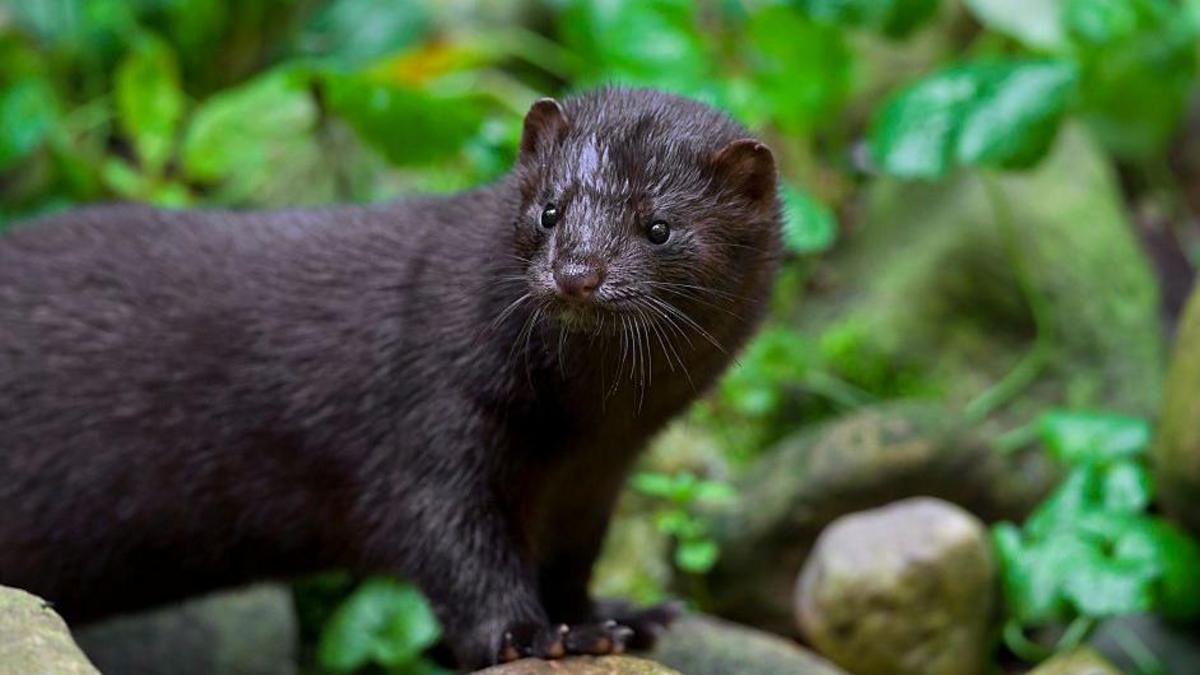
Kent mink cull targets 90% population cut — SkimNews
Get the Energy newsletter
Daily energy & climate — solar, EVs, oil, the policy fights and tech bets shaping the transition. Free.
- Waterlife Recovery Trust received a £20,000 grant from the BASC Wildlife Fund to cut Kent's mink population by 90% within two years through expanded trapping and monitoring
- American mink — once at one of Britain's highest densities in Kent — prey on water voles (the UK's fastest-declining mammal), ground-nesting birds including snipe, lapwing and waterfowl, and species like kingfishers and sand martins
- East Anglia's earlier equivalent project achieved a 70% year-on-year mink reduction, leading to the species' complete removal from Norfolk, Suffolk and East Cambridgeshire
- Michelle Nudds, BASC's South East regional director, said landowner and volunteer support across Kent shows strong backing for the on-the-ground work
- Ali Horn, WRT's Kent project officer, said the grant purchased 56 smart traps, rafts and other equipment to cover areas where mink sightings had been reported but no traps were yet deployed
Why it matters: Kent's water voles, the UK's fastest-declining mammal, face their main predator in mink — so a 90% population cut within two years could meaningfully reverse local declines, mirroring East Anglia's success where complete mink removal was achieved across three counties. The £20,000 grant covered 56 smart traps plus rafts, giving WRT the gear to scale across previously unmonitored areas.
Ask SkimNews