Hurricanes, heat domes, and holding up the grid with home batteries [update] — SkimNews
![Hurricanes, heat domes, and holding up the grid with home batteries [update]](https://electrek.co/wp-content/uploads/sites/3/2025/06/power_lines.jpg?quality=82&strip=all&w=1600)
Get the Energy newsletter
Daily energy & climate — solar, EVs, oil, the policy fights and tech bets shaping the transition. Free.
- Home battery attachment rates quadrupled from 6% in Q1 2020 to 25% in Q1 2024, per Wood Mackenzie, with 10 GW of residential storage forecast by 2028 and residential systems making up roughly 80% of all distributed energy resources.
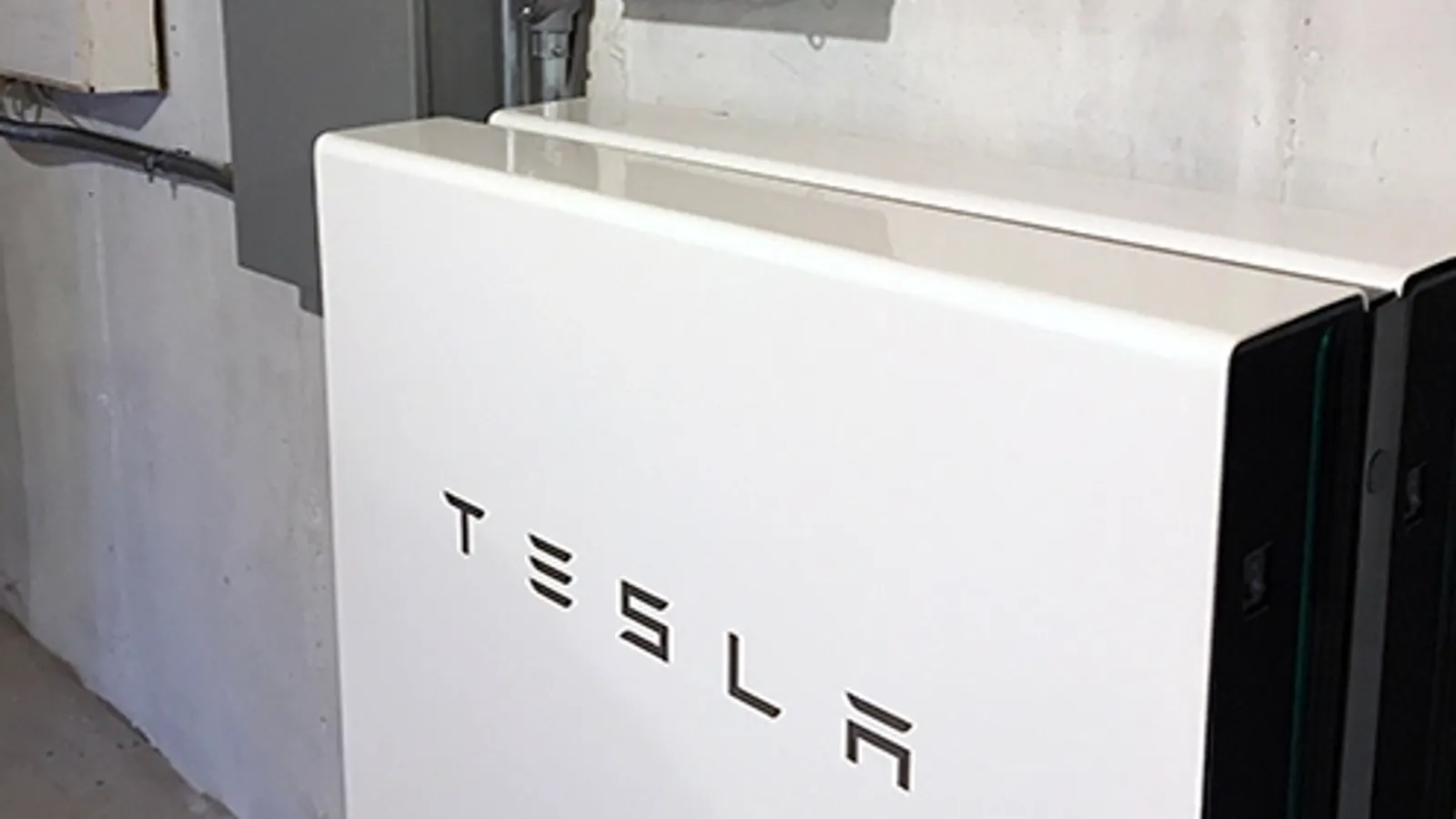
- Tesla is producing Powerwall units at a rate of ~700,000 per year and paid out $9.9 million to Powerwall customers in 2024 through VPP grid contributions during peak demand.
- Tesla's California VPP with PG&E pays owners $2 per kWh during emergency load reduction events (homeowners expected to earn $10–$60 per event); the program expanded to Southern California Edison and surpassed 100 MW of capacity in 2024.
- Jigar Shah, former Director of the Loan Programs Office at the U.S. Department of Energy, said the traditional "upgrade the distribution grid" bargain is "getting way too expensive" and called on utilities to get customers to opt into load flexibility.
- Virtual power plants — networks of interconnected home and EV batteries coordinated via distribution software — let neighborhoods collectively function as a single dispatchable power plant, shaving thousands of megawatts off peak demand and avoiding billions in new utility infrastructure.
- VPPs also help decarbonize the grid by storing otherwise-curtailed solar and wind energy and reducing reliance on fossil-fuel "peaker plants" that run during high-demand periods.
Why it matters: The economics are shifting: Tesla paid Powerwall owners $9.9 million in 2024 for grid services, and battery attachment on new home solar hit 25% in Q1 2024 (up from 6% in Q1 2020). With PG&E and SCE running real VPP programs, utilities are supplementing the "build more grid" model with a "use what's already installed" approach.
Ask SkimNews