NYPA Takes 51% Stake in 240-MW Rich Road Solar — SkimNews
Get the Energy newsletter
Daily energy & climate — solar, EVs, oil, the policy fights and tech bets shaping the transition. Free.
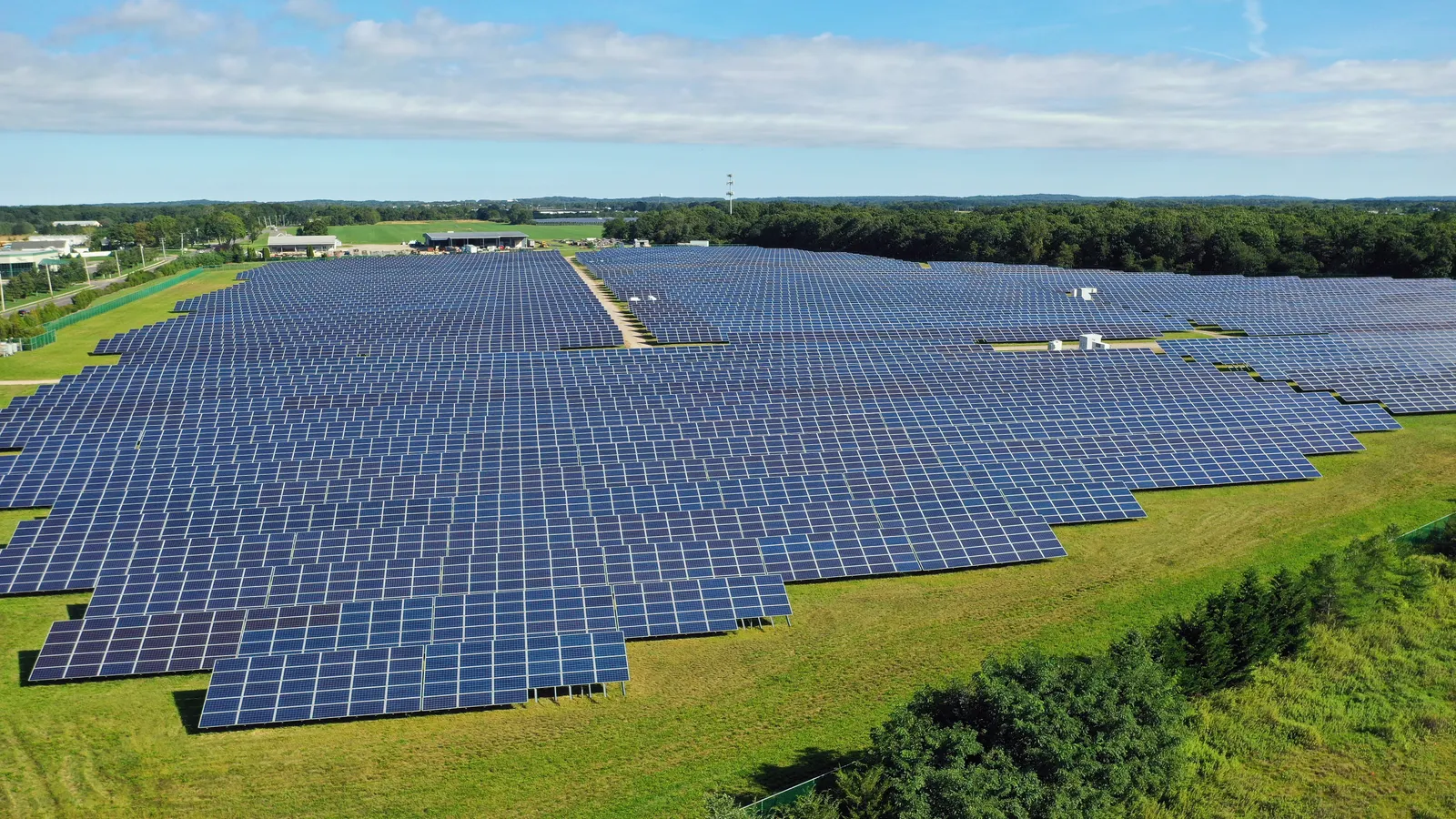
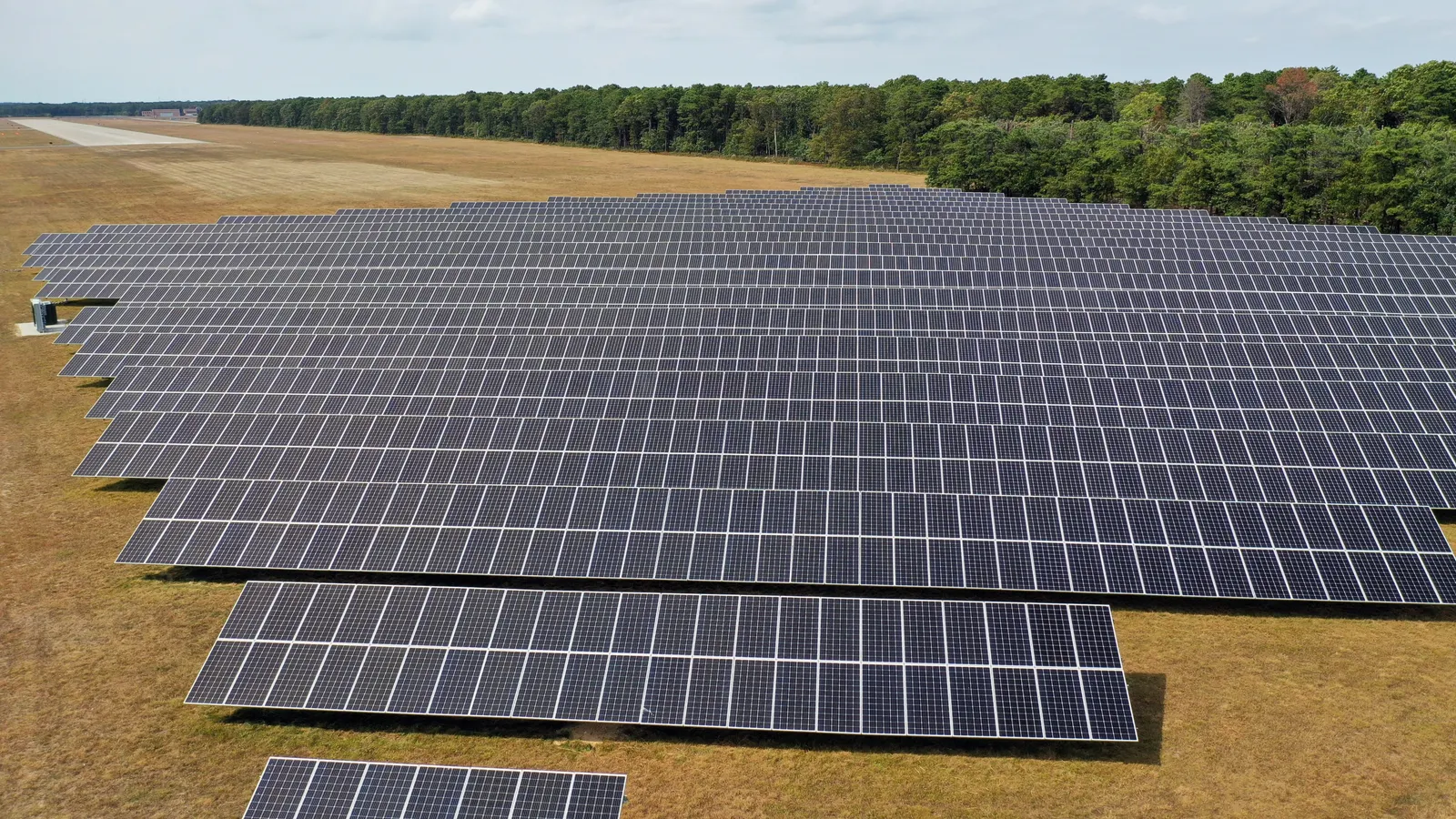
- NYPA will own 51% of the 240-MW Rich Road Solar project in St. Lawrence County, with EDF Power Solutions North America holding the minority stake and overseeing construction — the authority's largest solar deal since the 2023-24 state budget authorized it to develop and own renewables.
- Rich Road Solar is the first NYPA project to use a public-private partnership model and secure expiring federal tax credits, President and CEO Justin Driscoll said, calling it a 'successful model' for accelerating clean energy in the state.
- The project won a 20-year Tier-1 renewable energy certificates contract through NYSERDA's 2025 Renewable Energy Standard RFP and will deliver $1.2 million in host community electricity benefit payments over its first 10 years of operation, plus $300,000 annually to the Renewable Energy Access and Community Help program for low-income bill credits.
- The New York Energy Alliance cast doubt on the project's economics, citing NYPA's own 2025 renewables plan — which pegged new solar costs at roughly $100/MWh against just $50/MWh in expected market revenue and stated 'new renewable energy projects cannot cover their costs just selling their outputs into the NYISO market alone.'
- NYEA called Rich Road 'a canary in the coal mine,' noting 20 of the 29 private partnerships in NYPA's renewables plan are projects whose earlier state deals had already failed.
- NYPA's board in December approved adding roughly 2.5 GW of planned capacity, bringing its renewables pipeline to 5.5 GW across solar, wind, and storage.
Why it matters: NYPA is betting its largest solar project yet on a public-private partnership structure that its own 2025 renewables plan says can't pencil out in the NYISO market — $100/MWh in costs against $50/MWh in expected revenue — making expiring federal tax credits essential to the deal's viability. Critics note 20 of 29 similar private partnerships in the plan are re-attempts at projects with previously failed state contracts, raising the stakes on whether the 2030 commercial operation date holds.
Ask SkimNews