Which EVs Can Power Your Home: Full V2H Roundup — SkimNews
Get the Energy newsletter
Daily energy & climate — solar, EVs, oil, the policy fights and tech bets shaping the transition. Free.
- Ford F-150 Lightning can send up to 9.6 kW from its battery to a home using the Charge Station Pro and Home Integration System, a setup that runs about $5,000 plus installation.
- Kia EV9 unlocked V2H in March via the Wallbox Quasar 2 bidirectional charger, starting at $6,440, with a fully charged EV9 able to power a standard suburban home for three days.
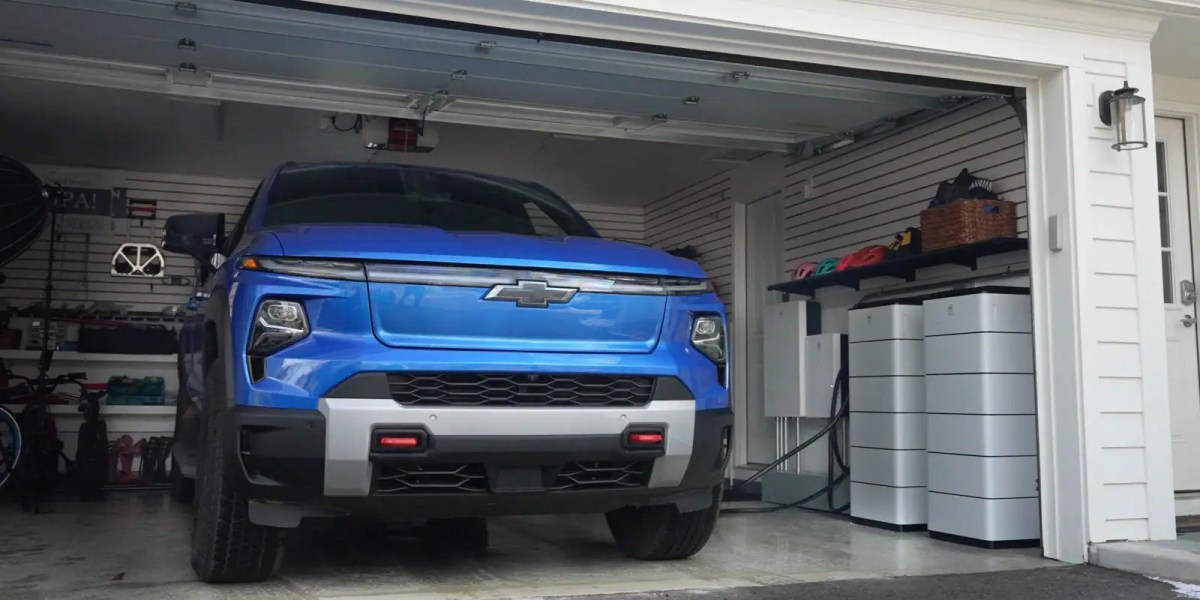
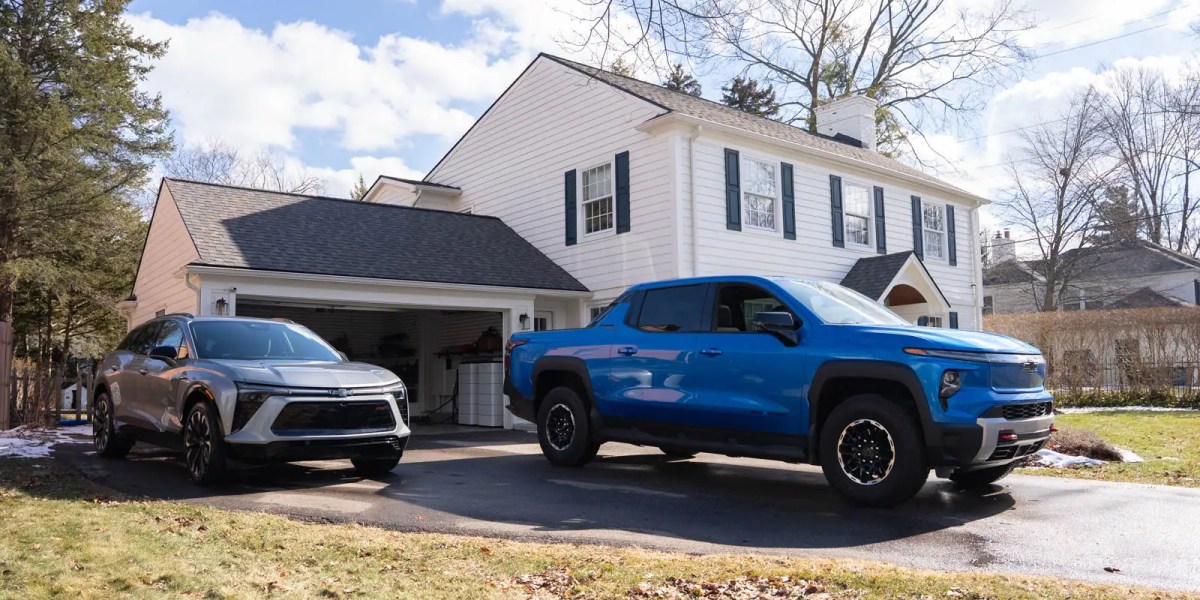
- All current GM EVs now support V2H through the GM Energy Home System — a $16,997 package that GM says can keep a 2024 Silverado EV First Edition RST running a home for up to 21 days.
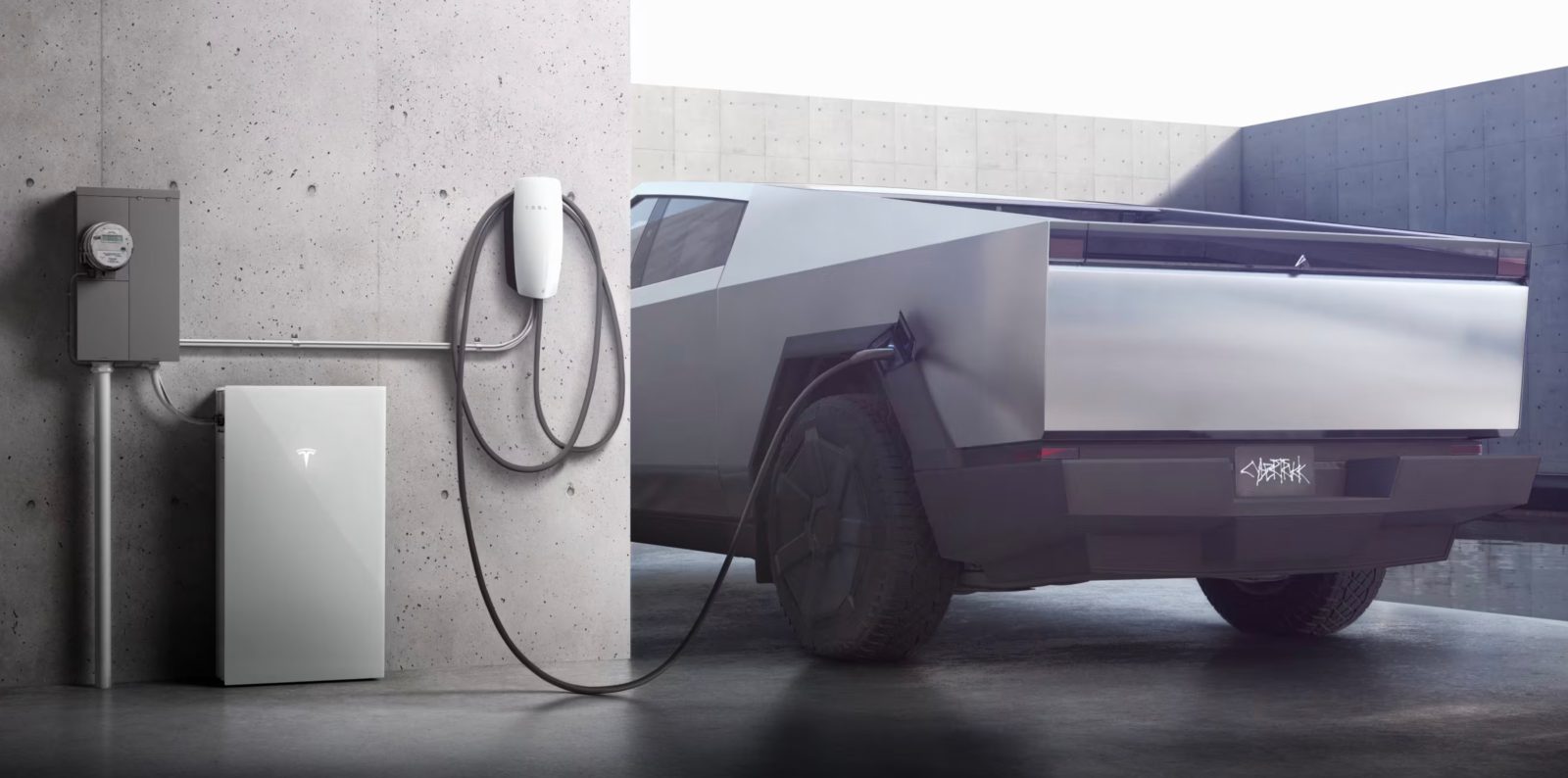
- Tesla Cybertruck owners can power their homes for free if they already own a Powerwall, or for about $3,500 plus installation using a Universal Wall Connector, Powershare Gateway, and Backup Switch.
- Polestar 3 and Volvo EX90/EX60 owners in California gain V2H and blackout backup through the dcbel Ara home energy system, with Polestar claiming up to 10 days of emergency power and potential $1,300/year charging savings.
- Nissan LEAF in the US ships only with 1,500W vehicle-to-load outlets, while the Japan/Europe version retains full V2H and vehicle-to-grid capability.
- VW ID.BUZZ is announced for 2027 with V2H and V2G on the ISO 15118-2 standard in Europe, with VW citing roughly two days of household power from a 77 kWh battery.
Why it matters: Bidirectional charging is finally arriving on showroom floors — but the hardware tax is steep: enabling V2H costs $3,500 to nearly $17,000 depending on the brand, on top of a compatible EV. For homeowners in outage-prone regions, the math only works if backup power or peak-shaving savings justify a five-figure add-on, while US Nissan LEAF buyers are notably locked out of the full V2H that European and Japanese customers still get.
Ask SkimNews