Study: Growing seaweed won't fix climate change — SkimNews

Get the Energy newsletter
Daily energy & climate — solar, EVs, oil, the policy fights and tech bets shaping the transition. Free.
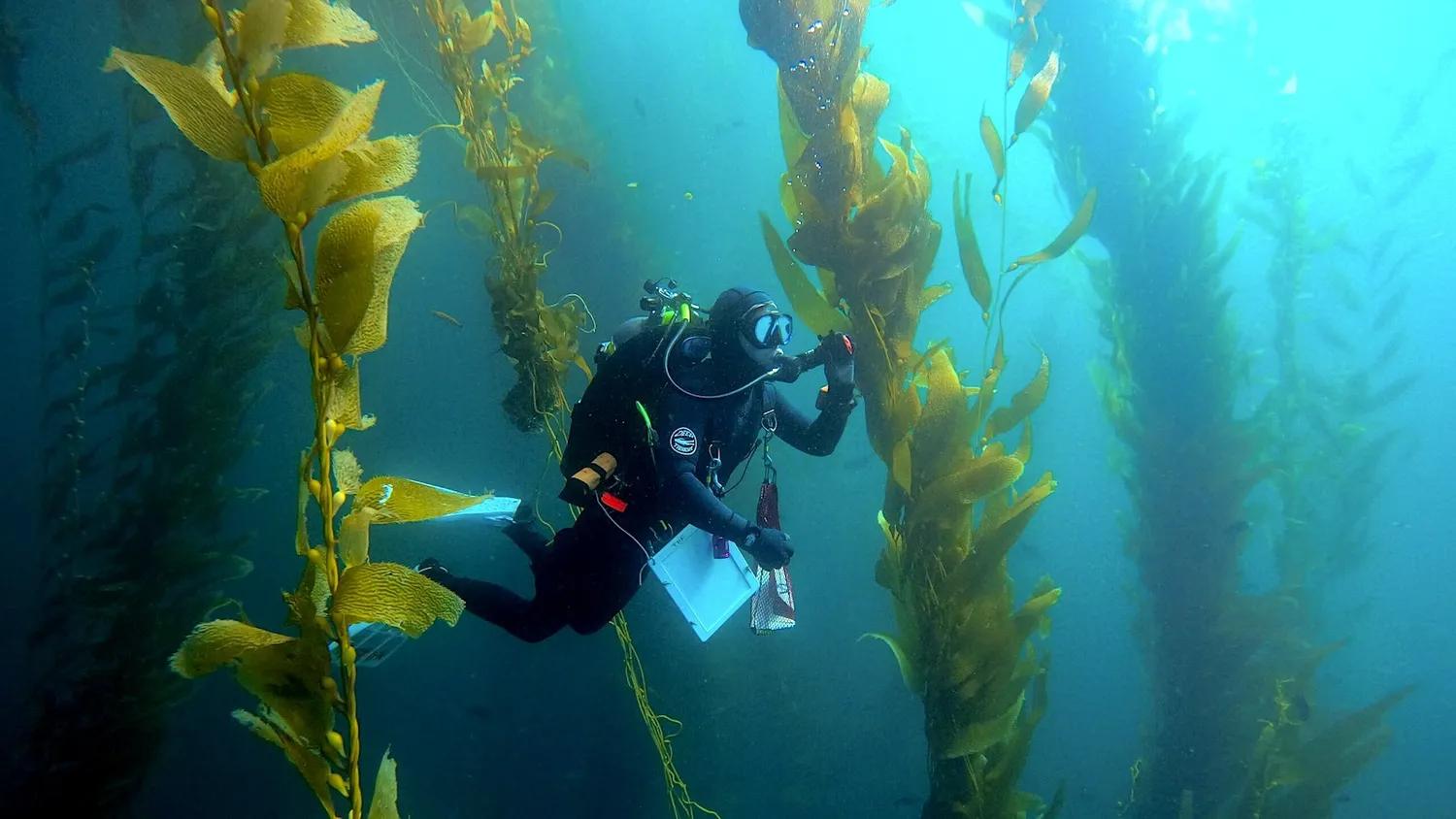
- Karen Filbee-Dexter at the University of Western Australia led a PLOS Biology study concluding that with ~60% of kelp forests in decline, these ecosystems could eventually emit more CO2 than they absorb, urging researchers and offset buyers to prioritize preservation over expansion.
- Running Tide, a US carbon removal start-up that raised $70 million to cultivate kelp on wooden buoys destined to sink into the deep sea, shut down last year after failing to grow kelp in the open ocean.
- A northern Norway restoration experiment rebuilt 70 hectares of kelp by poisoning sea urchins, drawing down about 50,000 tonnes of CO2 per year — against global kelp loss emitting an estimated 14 million tonnes annually.
- The study found preserving kelp ecosystems is at least eight times cheaper per hectare than restoring them, yet only 2% of kelp forests sit in protected areas.
- Of 11 seaweed farms analyzed in a separate study published earlier this year, nine emitted more CO2 than they sequestered once emissions from boat fuel, plastic lines and other farming operations were factored in.
- Seaweed farming currently spans 4,000 square kilometres of ocean — only about a third of the kelp forest cover lost each year.
- Pamela Walsh at Queen's University Belfast pushed back, arguing scientists don't yet have a solid enough grasp of how much carbon seaweed sequesters to dismiss it as a climate solution, even if past impact estimates have been exaggerated.
Why it matters: Carbon offset markets and start-ups have poured millions into seaweed-based CO2 removal on the assumption that cultivation can scale, but the data shows nine of 11 seaweed farms already emit more than they capture and only 2% of kelp forests are protected — meaning the cheaper, faster climate win is safeguarding what remains rather than funding new farms.
Ask SkimNews