Kelp Forests Vanishing Twice as Fast as Coral Reefs — SkimNews
Get the Energy newsletter
Daily energy & climate — solar, EVs, oil, the policy fights and tech bets shaping the transition. Free.
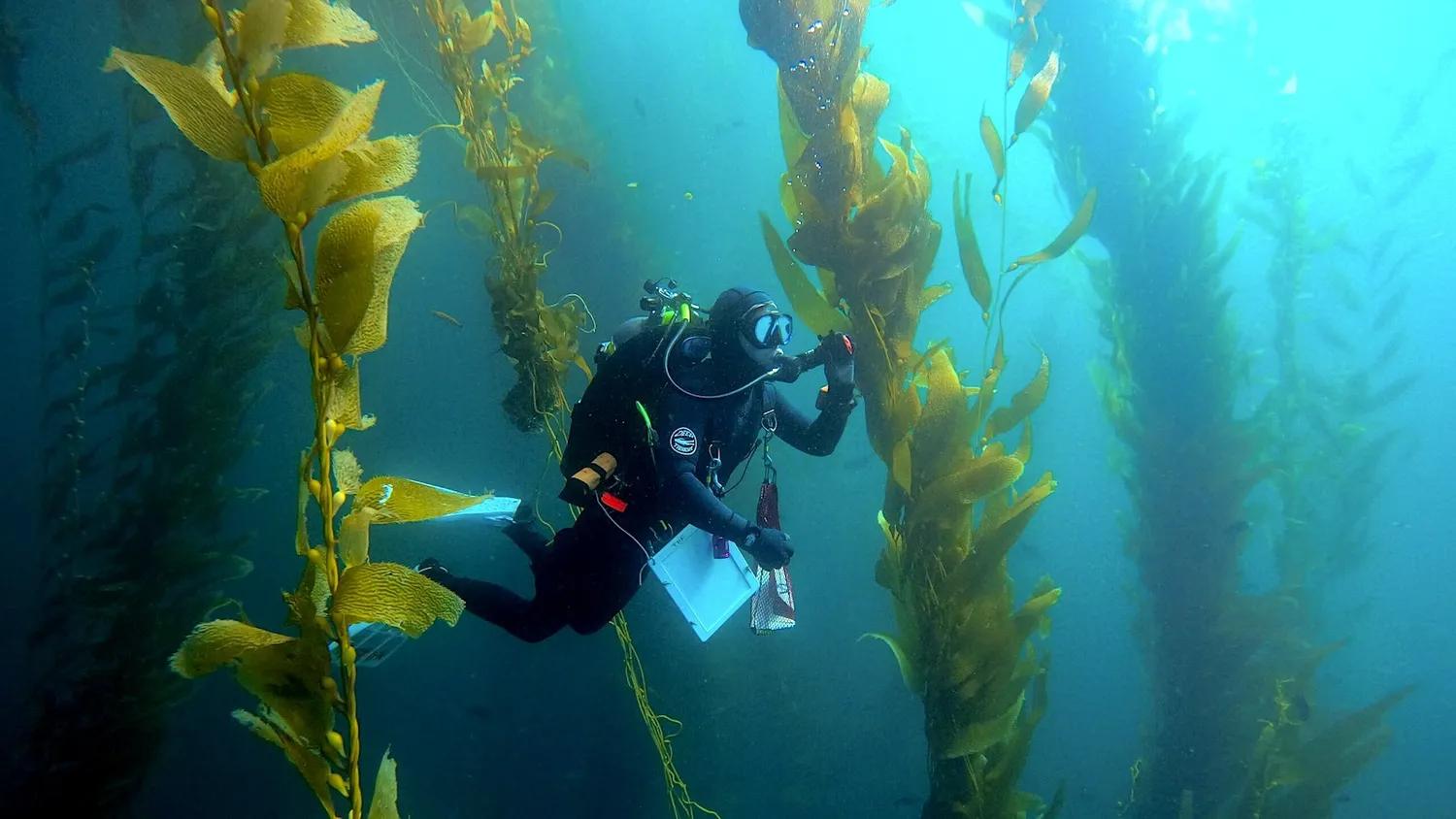
- Kelp forests worldwide have lost or significantly degraded 40% to 60% of their extent over the past 50 years, and are vanishing twice as fast as coral reefs and four times faster than tropical rainforests, according to the source.
- The Haida Nation deploys tribal volunteers in British Columbia to hand-collect purple sea urchins that explode in population as waters warm, part of an eradication program targeting the urchin barrens replacing kelp habitat.
- Scientists at Scripps Institution of Oceanography and the San Diego Zoo are using AI to digitally replicate kelp ecosystems, assess climate vulnerability, and have built a biobank to preserve kelp varieties for future restoration.
- The Nature Conservancy's Scott Breschkin has spent the past year removing urchins and replanting golden kelp on Australia's 5,000-mile Great Southern Reef, where warming waters are driving long-spined urchins to create 'zombie' barrens that can persist for decades.
- California kelp suffered a 95% population loss in Northern California during the 2013–2015 'Blob' warming event, and water temperatures have not dropped below 57°F since 2015—a threshold beyond which kelp cannot thrive, per the source.
- South Korea now hosts 71,660 acres of restored kelp forest through the world's largest kelp restoration projects, with farmers harvesting nearly $1 billion in seaweed annually, while Japan runs more than 700 restoration projects where kombu is a dietary staple.
- Sunflower sea stars, which can grow as large as a car tire and prey on urchins, have declined 90% since a 2013 wasting disease outbreak; scientists have now isolated the responsible bacterium and successfully treated affected starfish with antibiotics.
Why it matters: Kelp forests contribute roughly $250 million annually to California's economy alone and sequester carbon at rates comparable to tropical rainforests, but ocean warming has pushed them past recovery thresholds in many regions—meaning the modest, under-100-acre U.S. restoration projects flagged by UCLA's Kyle Cavanaugh must be dramatically scaled up, or warming-driven 'urchin deserts' will permanently replace these biodiversity hotspots.
Ask SkimNews