LEDs Strip the Red Light Your Mitochondria Need — SkimNews

Get the Health newsletter
Daily health & science — research, biotech, public health, the studies worth knowing. Free.
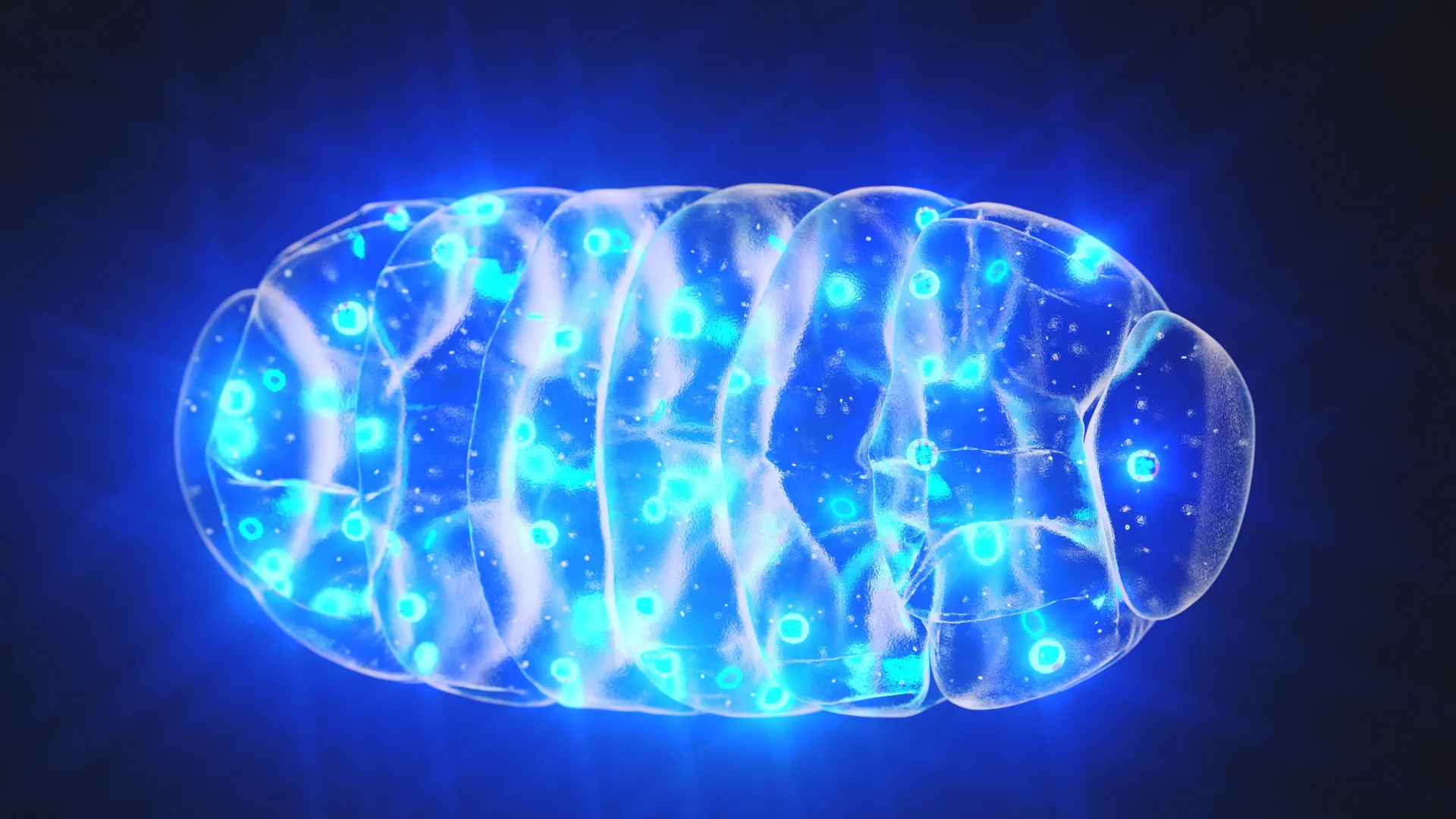
- LEDs and IR-filtering glass adopted in the early 2000s stripped roughly 95% of the light spectrum indoors — where most people spend up to 90% of their time — removing the red and infrared wavelengths mitochondria need to produce ATP efficiently.
- Soviet biophysicist Tiina Karu discovered in late-1980s Moscow experiments that red and near-infrared light accelerates mitochondrial ATP production through the electron transport chain; her work was long ignored because she came from "the wrong side of the Iron Curtain," according to Glen Jeffery.
- Glen Jeffery at UCL showed that a 15-minute burst of red light blunts blood sugar spikes after a glucose dose, and that adding dim incandescent bulbs to LED-only windowless offices lowered workers' blood sugar on average compared to colleagues under pure LED light.
- A Maastricht University study of 13 type 2 diabetes patients found significantly better blood sugar control during 4.5 working days under natural light compared to 4.5 days under LED light in the same office.
- An eight-year study of roughly 88,000 people in their sixties found that those who spent more time in daylight were significantly less likely to develop dementia, and a separate analysis of 400,000+ adults linked higher UV exposure to lower cancer and cardiovascular death rates.
- John Mitrofanis at the University of Grenoble Alpes showed red light can prevent Parkinson's in a primate model, and clinical trials have found that near-infrared light can slow age-related cognitive decline.
Why it matters: For the billions of people who spend up to 90% of their lives under LEDs, the researchers' "21st-century scurvy" framing reframes diet-and-exercise as an incomplete explanation for the modern epidemic of type 2 diabetes, dementia, and cardiovascular disease — and points to a near-zero-cost remedy (incandescent or red-light supplementation indoors) that policymakers have not yet factored into lighting regulation.
Ask SkimNews