US-Iran Ceasefire Strains as Hormuz Stays Blockaded — SkimNews
Get the Geopolitics newsletter
Daily geopolitics — wars, elections, sanctions, the diplomatic moves that move markets. Free.
- Trump posted on social media late Thursday that Iran was doing a "very poor job" allowing oil through the Strait of Hormuz, writing "That is not the agreement we have!" — then said in a separate post that oil would start flowing, without specifying US action.
- In the first 24 hours of the ceasefire, only a single oil products tanker and five dry bulk carriers sailed through the Strait of Hormuz, compared with a typical 140 ships a day, producing what the source calls the "worst-ever disruption" to global energy supplies.
- Iran released a 10-point settlement proposal covering maintenance of its Strait of Hormuz control, acceptance of nuclear enrichment rights, lifting of sanctions, and ending the war including operations against Hezbollah in Lebanon.
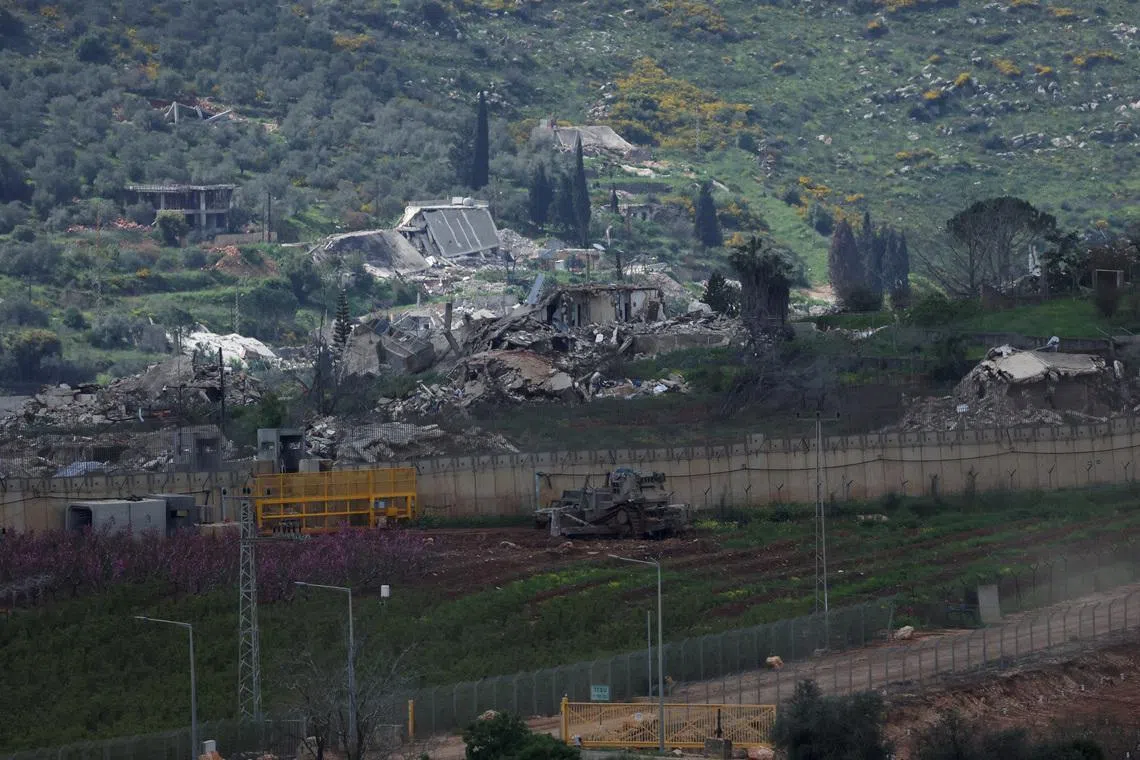
- The US and Israel say the ceasefire does not cover Lebanon, which Israel invaded last month, but Iran and Pakistan, which mediated the truce, say Lebanon was explicitly included — a gap Iran's Parliament Speaker Mohammad Baqer Qalibaf, set to face Vice President JD Vance in Pakistan, called non-negotiable.
- Israel struck 10 rocket launchers in Lebanon overnight, and Hezbollah fired a missile at Haifa that was intercepted; Hezbollah lawmaker Ali Fayyad rejected direct negotiations and demanded a ceasefire as a precondition to any further steps.
- Netanyahu said he had instructed the start of peace talks with Lebanon focused on disarming Hezbollah, even as Israel continues attacks there; a senior Israeli official said those talks are expected to begin in Washington next week, hosted by the US State Department.
- Iran's Supreme Leader Ayatollah Mojtaba Khamenei said Thursday that Iran would "certainly not leave unpunished" the aggressors and would "undoubtedly demand compensation for every single damage inflicted."
Why it matters: Iran's refusal to open the Strait of Hormuz — traffic fell from a typical 140 ships daily to just six in the first 24 hours of the truce — gives the US a clear lever going into Saturday's Pakistan talks, but Trump's threat of destroying "a whole civilization" if talks fail, combined with Khamenei's vow of retribution, means collapse carries real escalation risk. The US-Israeli and Iran-Pakistani camps publicly disagree on whether Lebanon is even covered by the deal.
Ask SkimNews