Nahid Islam Opposes India Corridor, Presses Ganges Pact — SkimNews

Get the Geopolitics newsletter
Daily geopolitics — wars, elections, sanctions, the diplomatic moves that move markets. Free.
- Nahid Islam told hundreds at the October 30 Dhaka rally that Bangladesh would not accept any Indian transit corridor, accusing Prime Minister Tarique Rahman’s government of trying to hand an “illegal corridor” to India.
- NCP organized the rally primarily to demand the resignations of Home Minister Salahuddin Ahmed and Power, Energy and Mineral Resources Minister Iqbal Hassan Mahmood Tuku over alleged failures concerning law and order, gas and electricity.
- Japan and Bangladesh upgraded the BIG-B initiative during Rahman’s October 26-29 visit into a strategic cooperation initiative covering connectivity, natural-disaster and geopolitical preparedness, public-private partnerships and regional peace and stability.
- Humaiun Kobir said no third-country issue was discussed during Rahman’s Japan visit and that the talks centered on the Bangladesh-Japan economic partnership, directly contradicting Nahid’s corridor allegation.
- Matarbari deep-sea port is receiving JICA financing, while Japanese officials have envisioned a Bangladesh-centered industrial value chain linking India’s northeastern states with the Bay of Bengal and Southeast Asia.
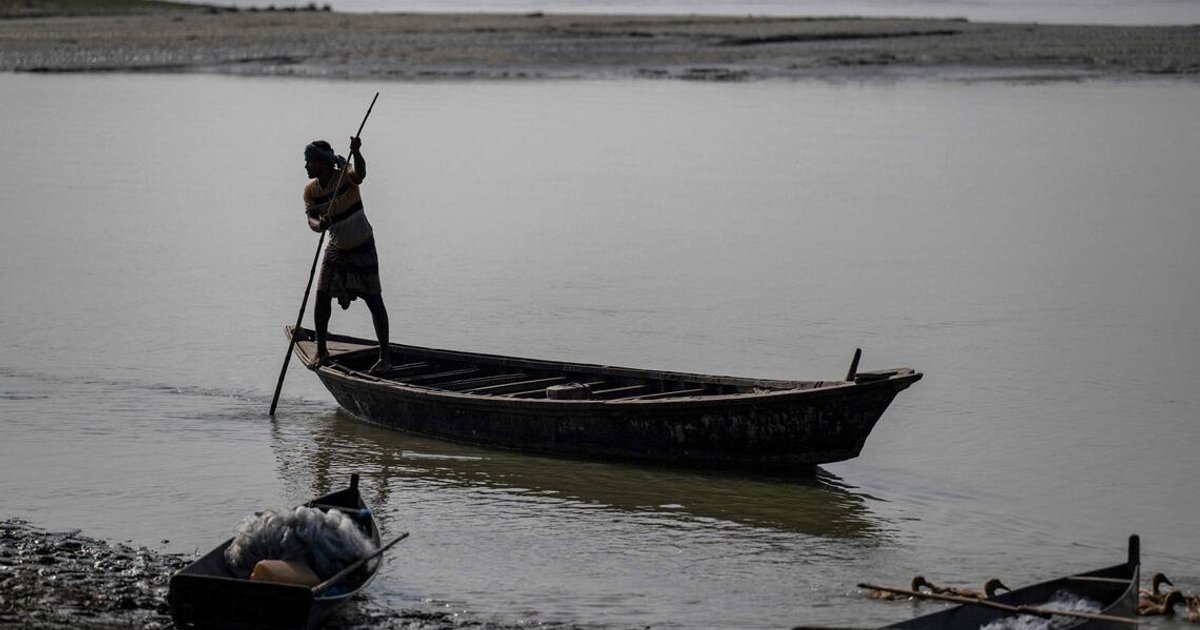
- Ganges Water-Sharing Treaty, which governs January-May sharing at Farakka Barrage, expires December 12; Bangladesh seeks a longer revised pact with a guarantee for its share, and Nahid threatened fresh protests if terms do not protect it.
Why it matters: For Bangladesh, the immediate stakes are a guaranteed dry-season share under the 1996 pact, which expires December 12; Nahid has explicitly threatened fresh protests if a new agreement does not protect it. The corridor claim also makes the Japan-backed connectivity initiative politically contested because Japanese officials had publicly envisaged linking India’s northeast through Bangladesh.
Ask SkimNews