Jackdaw Gas Field 'Won't Materially Affect' Climate: Adura — SkimNews
SkimNews Take
The "not material" framing applied to a single project is the same logic that lets cumulative fossil fuel approvals continue — each individually negligible, collectively transformative.
Get the Energy newsletter
Daily energy & climate — solar, EVs, oil, the policy fights and tech bets shaping the transition. Free.
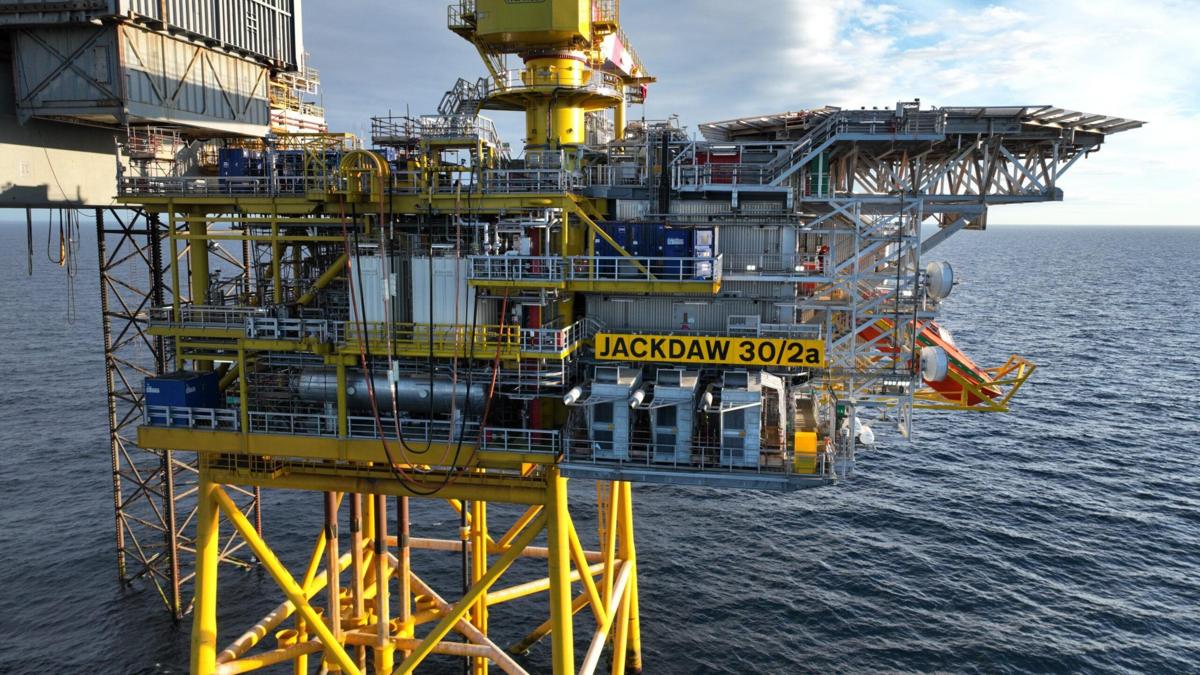
- Adura's updated Environmental Impact Assessment claims the Jackdaw gas field's lifetime emissions would account for less than 0.02% of annual global greenhouse gases and 'not materially influence' climate change.
- The earlier November EIA from Adura estimated Jackdaw could produce up to 35.8 million tonnes of CO2 equivalent over its lifetime, equivalent to roughly 90% of Scotland's total emissions.
- Adura argues that displacing imported US LNG with Jackdaw gas would save about 4 million tonnes of CO2 equivalent by cutting liquefaction, transport and regasification losses.
- Opred, the offshore regulator, ordered the revised submission after finding the prior filing had inadequately addressed climate considerations.
- Lord Ericht ruled last year in the Court of Session that both Jackdaw and Rosebank had been unlawfully approved, requiring a more detailed climate assessment and fresh ministerial consent before production begins.
- Uplift and Greenpeace, the campaigners behind that legal challenge, dismissed Adura's framing — with Greenpeace chief scientist Doug Parr calling any new oil and gas approval 'wholly incompatible with keeping global warming to 1.5°C.'
- Uplift executive director Tessa Khan argued Jackdaw would have 'no impact on our energy bills and do precious little to increase our gas supply,' saying the UK has already burned most of its domestic reserves.
Why it matters: A Scottish court already ruled Jackdaw's prior approval unlawful for ignoring climate impact, and Opred demanded this revised submission specifically because the earlier EIA fell short. The 35.8-million-tonne lifetime emissions figure — about 90% of Scotland's total — now sits alongside the 0.02% global-share claim as ministers weigh whether to re-approve a field its critics call incompatible with the 1.5°C Paris limit.
Ask SkimNews


