Why Horror Filmmakers Are Obsessed With Obsolete Tech — SkimNews
Get the Culture newsletter
Daily culture — film, music, books, the trends and ideas worth your attention. Free.
- Obsession (directed by Curry Barker) and Backrooms (directed by Kane Parsons) both opened this summer, each grossing hundreds of millions of dollars on comparatively minuscule budgets, with both directors first rising to prominence on YouTube
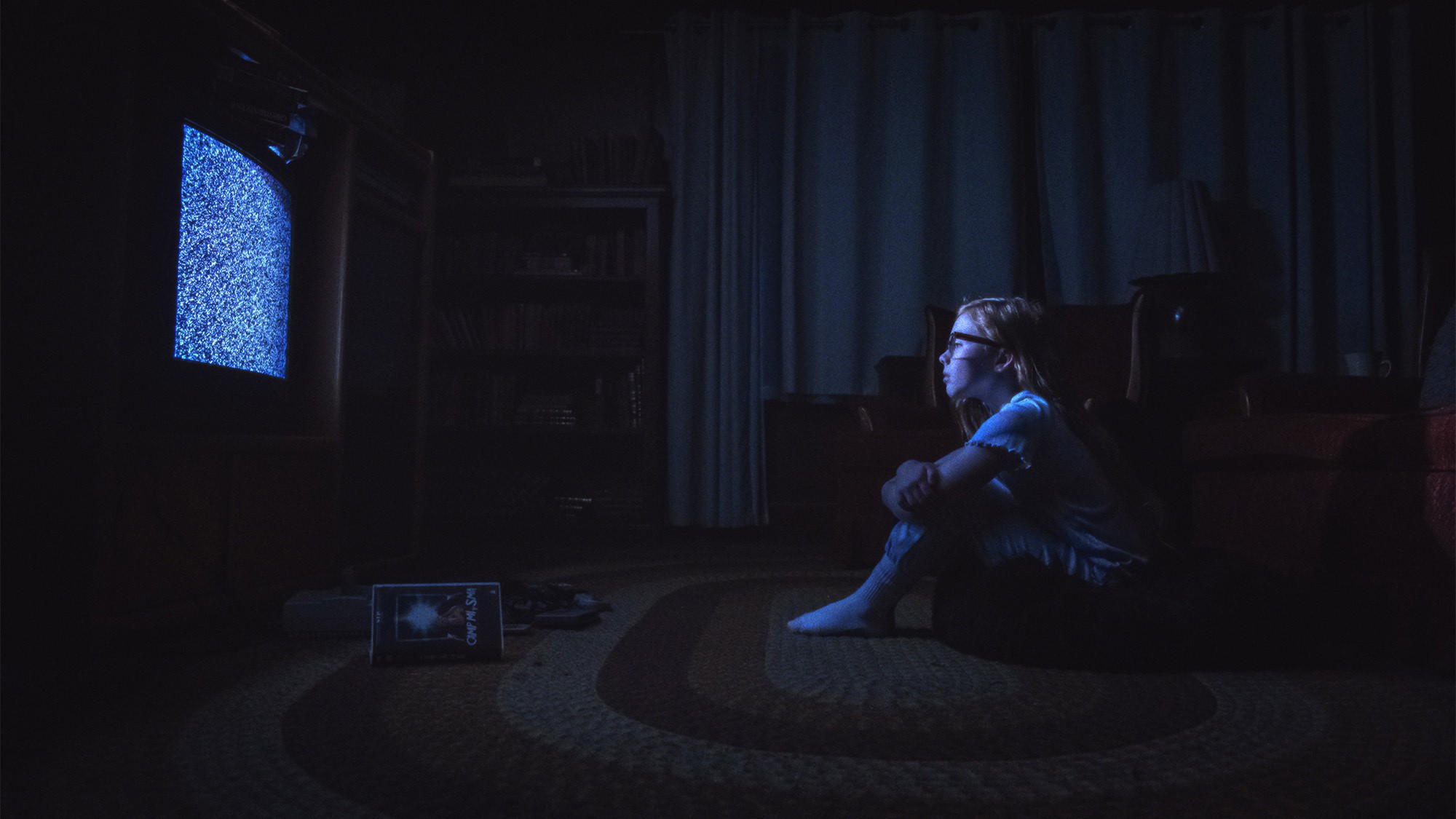
- Jane Schoenbrun's Teenage Sex and Death at Camp Miasma, starring Hannah Einbinder and Gillian Anderson, escalates the vintage-tech trend by following a young director trying to reboot an 80s slasher franchise and recruit its faded original starlet
- Modern minimalist interiors — compared to Apple Store surfaces and smart home speakers — lack the shadows, creaking floorboards, and haunted-house texture the horror genre depends on, the article argues
- The three films feature props including VHS tapes, VCRs, station wagons, cassette tapes, bulky CRT consoles, Yellow Pages, and trading cards, with technology aesthetically frozen around the year 2000
- The article cites The Ring's cursed videotape and The Blair Witch Project's jittery camcorder POV as earlier horror touchstones that depended on now-obsolete tech, arguing those effects cannot be replicated on crystal-clear phone cameras
- Schoenbrun cited renting horror films as a fifth grader at a local video store as inspiration for Camp Miasma, framing the analog obsession as both aesthetic choice and Gen Z yearning for a past they cannot fully remember
- Teenage Sex and Death at Camp Miasma releases in the US and Australia on August 7 and in the UK on August 21
Why it matters: Three of the summer's biggest indie horror breakouts share a production-design logic that is functionally, not just nostalgically, analog: films need physical objects that cast shadows, creak, and resist digitization to deliver scares. For studios weighing whether horror's next wave is set-bound or streaming-friendly, the box-office evidence from Obsession and Backrooms suggests audiences will pay for tactile, pre-digital worlds — even when shot on minuscule budgets by first-time feature directors.
Ask SkimNews