Scientists identify new tick-borne virus ALTNV in China — SkimNews
Get the Health newsletter
Daily health & science — research, biotech, public health, the studies worth knowing. Free.
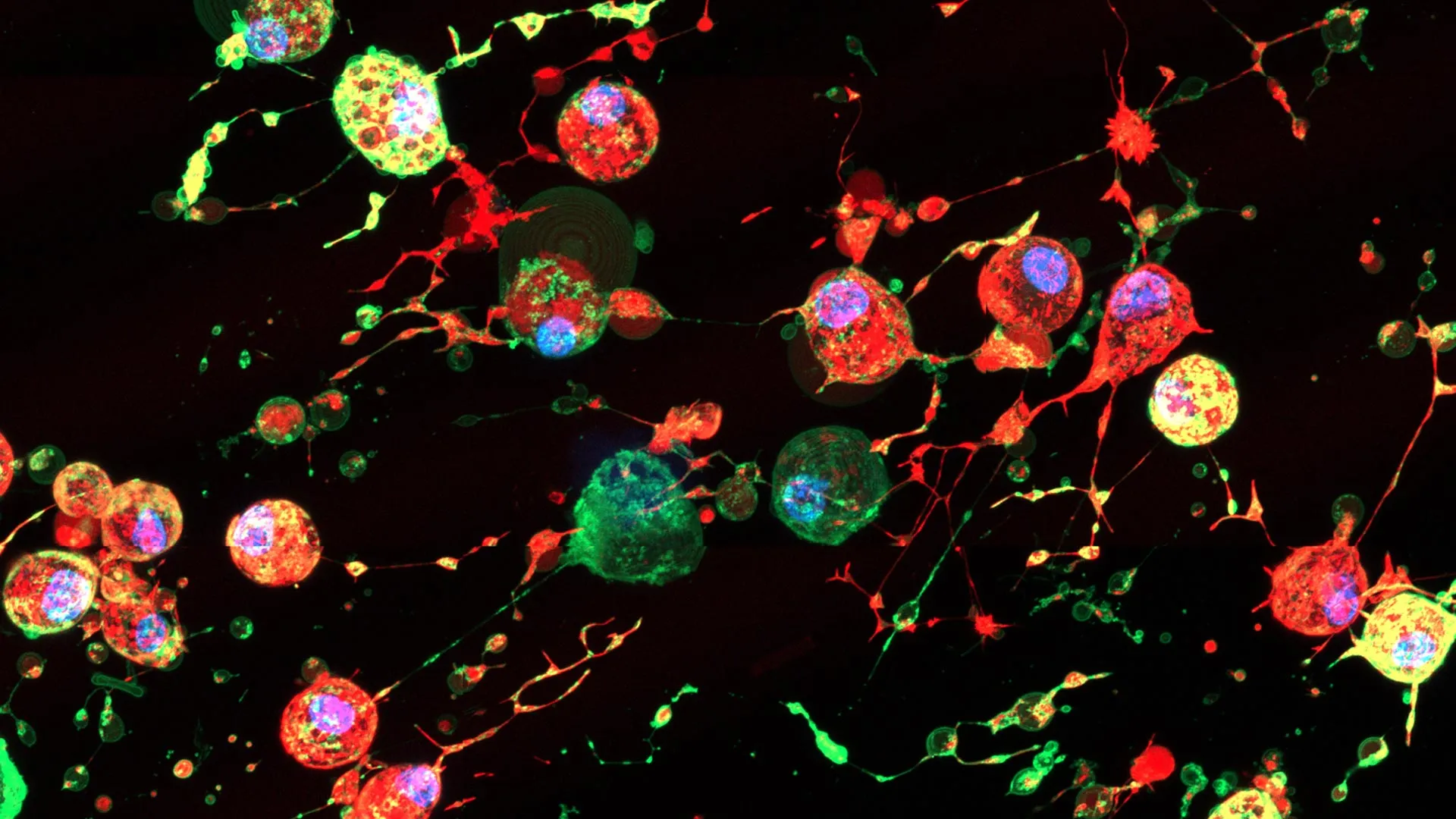
- Researchers at the State Key Laboratory of Pathogen and Biosecurity identified ALTNV as a distinct orthonairovirus, with proteins sharing less than 80% amino-acid similarity to other species in the genus, confirming it as a new virus.
- ALTNV was detected in 10.4% of 3,163 patients tested, and in 15.1% of those who tested negative for Dabie bandavirus (DBV), suggesting it accounts for roughly 30% of previously unexplained suspected tick-borne cases in endemic Chinese regions.
- Patients infected only with ALTNV commonly experienced fatigue (84%), gastrointestinal symptoms (80%), thrombocytopenia (38%), and elevated aminotransferases (36%), but all ultimately recovered completely, per the NEJM study.
- Coinfection with both ALTNV and DBV drove far worse outcomes: respiratory symptoms hit 61% of coinfected patients (vs. 38% with DBV alone) and kidney impairment hit 84% (vs. 66%), with 7 of 38 coinfected patients (18.4%) dying.
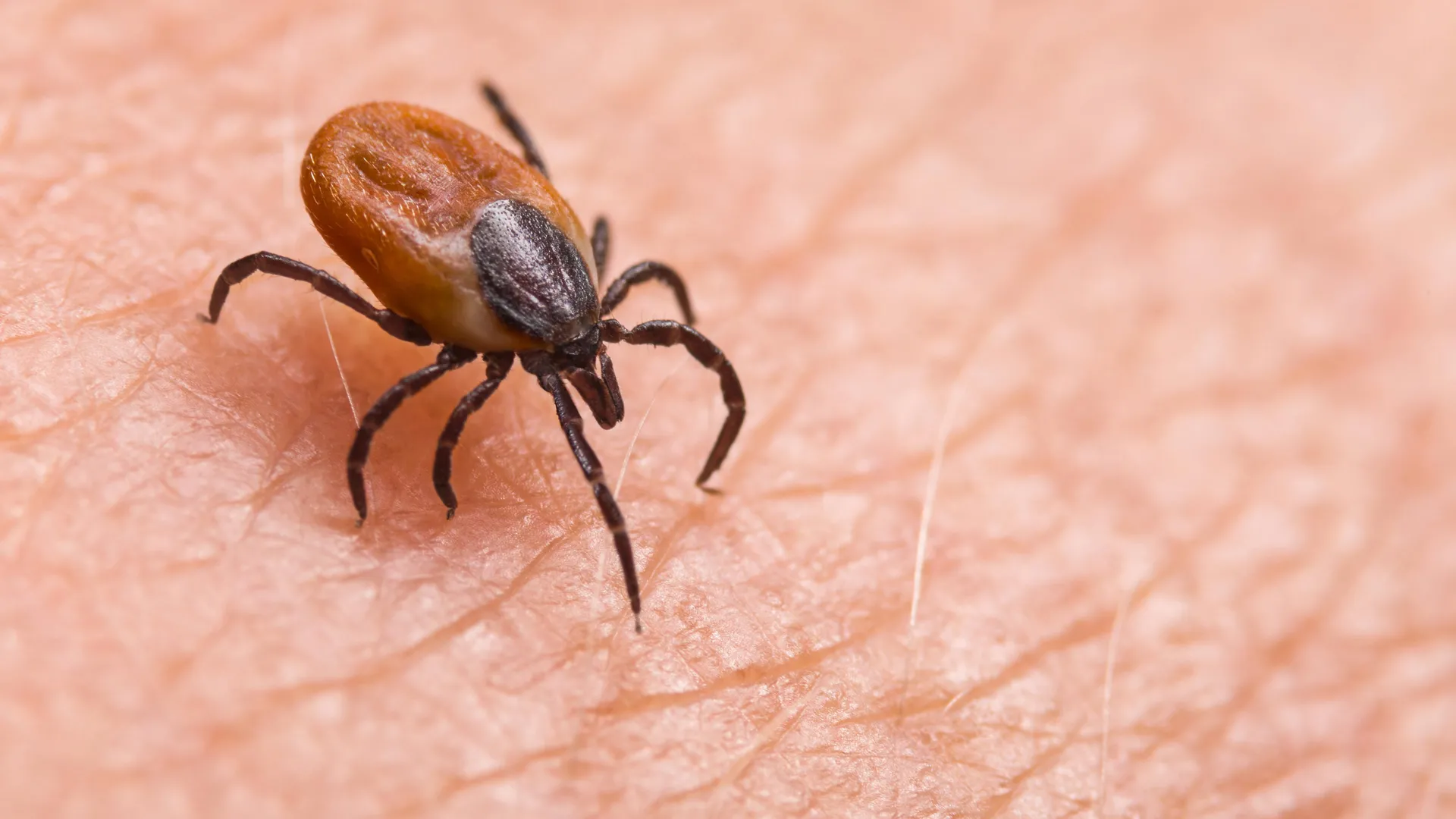
- ALTNV RNA was found in 1.3% of 47,428 ticks collected across 15 Chinese provinces, with the highest prevalence (1.8%) in Haemaphysalis longicornis (the Asian longhorned tick), which lab experiments confirmed can transmit the virus to mice.
- Dabie bandavirus (DBV) causes severe fever with thrombocytopenia syndrome (SFTS), carries a 10–30% case-fatality rate, and is classified as a WHO priority pathogen — underscoring why distinguishing ALTNV from DBV matters clinically.
Why it matters: Because ALTNV and DBV share the same tick vector and circulate in the same Chinese regions, clinicians in endemic areas need updated diagnostic panels: nearly one in six DBV-negative febrile patients actually carry ALTNV, and missing a coinfection roughly tripled the share who died. The WHO already lists DBV as a priority pathogen, so adding another co-circulating orthonairovirus to the differential could shift surveillance and treatment protocols across at least 15 Chinese provinces.
Ask SkimNews