Ebola and Hantavirus Mimic Flu Before Turning Deadly — SkimNews

Get the Health newsletter
Daily health & science — research, biotech, public health, the studies worth knowing. Free.
- CMAJ published review articles on both Ebola and hantavirus, framing them together as viral threats that start with routine flu-like symptoms before turning severe.
- Hantavirus sees approximately 4 to 5 confirmed cases reported annually in Canada, mostly linked to rodent exposure in agricultural areas of Manitoba, Saskatchewan, Alberta, and British Columbia.
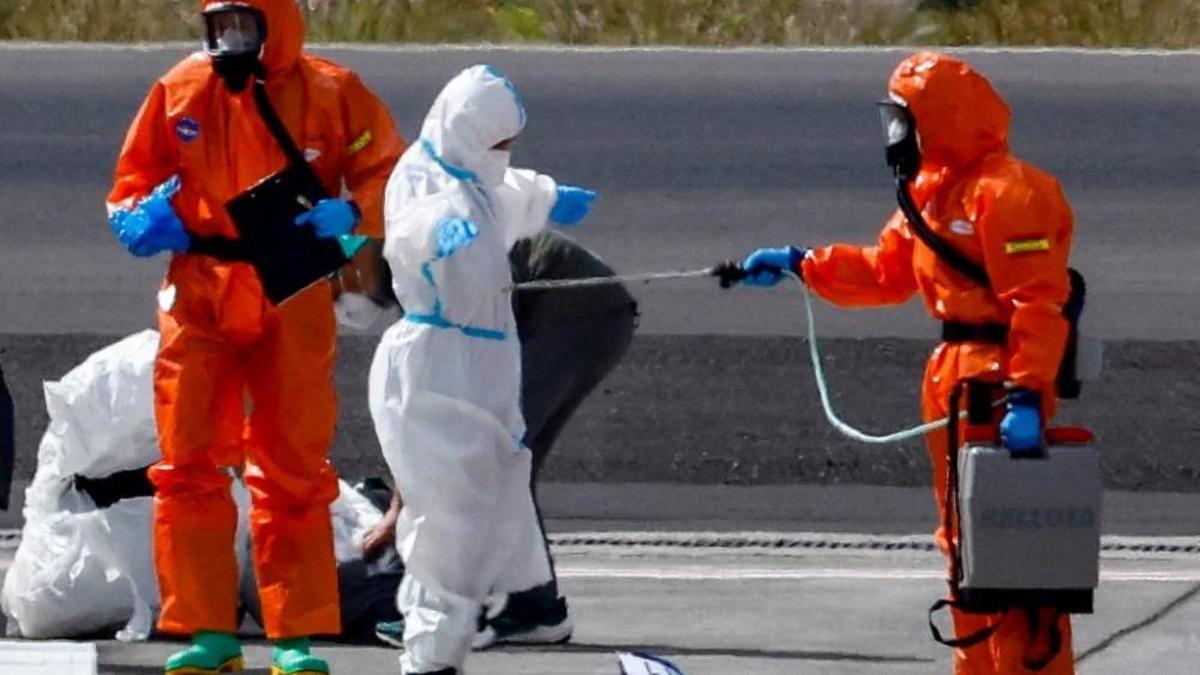
- The Andes virus strain is unusual for spreading person-to-person, and suspected cases require airborne, droplet, and contact precautions alongside infectious disease specialist involvement.
- There is no approved antiviral medication or vaccine for hantavirus, leaving supportive care as the only treatment option across all strains.
- The current Ebola outbreak in the Democratic Republic of Congo involves Bundibugyo ebolavirus, which carries a reported fatality rate of 30% to 50% with no approved vaccines or medications.
- Vaccines targeting Zaire ebolavirus have proven highly effective, and two antiviral treatments have reduced mortality rates from approximately 50% to 35%.
- Fewer than half of Ebola patients develop hemorrhagic symptoms, with typical presentations including fever of 38°C or higher, fatigue, muscle pain, and gastrointestinal issues.
Why it matters: Frontline clinicians need to distinguish routine influenza from hantavirus or Ebola in early stages, especially since the Andes virus strain can transmit between people and Bundibugyo ebolavirus—currently killing up to half of those infected—has no approved vaccine or treatment, unlike the Zaire strain.
Ask SkimNews