Sex hormones reshape how skin stem cells coordinate — SkimNews

Get the Health newsletter
Daily health & science — research, biotech, public health, the studies worth knowing. Free.
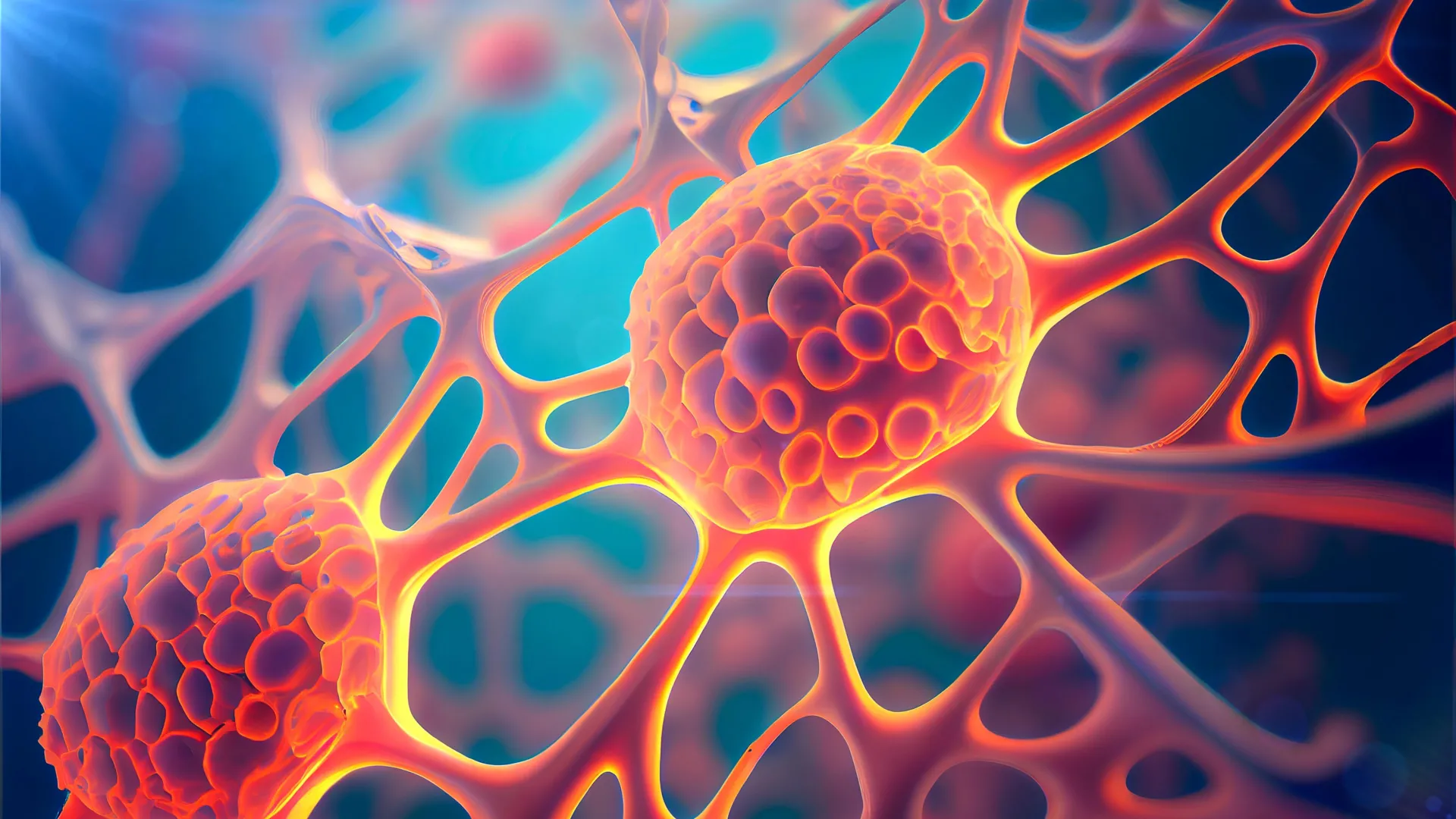
- Université libre de Bruxelles and University of Cambridge researchers tracked individual skin stem cells in living mice for an unprecedented five months using advanced microscopy, discovering that female cells coordinate in synchronization while male cells operate more independently.
- Female mice healed skin wounds substantially faster than males, especially in the first few days after injury, because their stem cells activated sooner and worked more cohesively; the gap narrowed as healing progressed.
- Sex hormones were shown to drive the difference: castration made male mouse skin cells behave like female cells, and dihydrotestosterone reversed that; ovariectomy in females nearly eliminated sister-cell synchronization, which estradiol restored.
- Prof. Cédric Blanpain led the study published in Nature, with first author Doctor Dan Engelman, saying the team initially set out to map skin renewal hierarchies and was surprised by the strength of the sex-based differences.
- Lab-grown human skin treated with testosterone showed accelerated stem cell differentiation, suggesting part of the mechanism observed in mice also operates in humans, though further research is needed.
- The study also resolved a long-standing question about skin renewal by showing stem cells pass through an intermediate stage with a limited number of divisions before fully maturing into the skin's protective barrier.
Why it matters: Doctors have long noted sex differences in wound healing, inflammatory disease severity, and skin cancer frequency without full biological explanations; this study in Nature links those observations to hormone-driven stem cell behavior, with the team now planning to investigate how sex shapes skin cancer formation and progression.
Ask SkimNews