Crude Oil Jumps 35% as Strait of Hormuz Closes — SkimNews

Get the Finance newsletter
Daily finance — markets, central banks, M&A, the prints that move money. Free.
- Crude oil futures surged 35% in the last five days as supply was temporarily cut off by the U.S.-Iran conflict, driving investors into hard assets like oil and gold (GCK26)
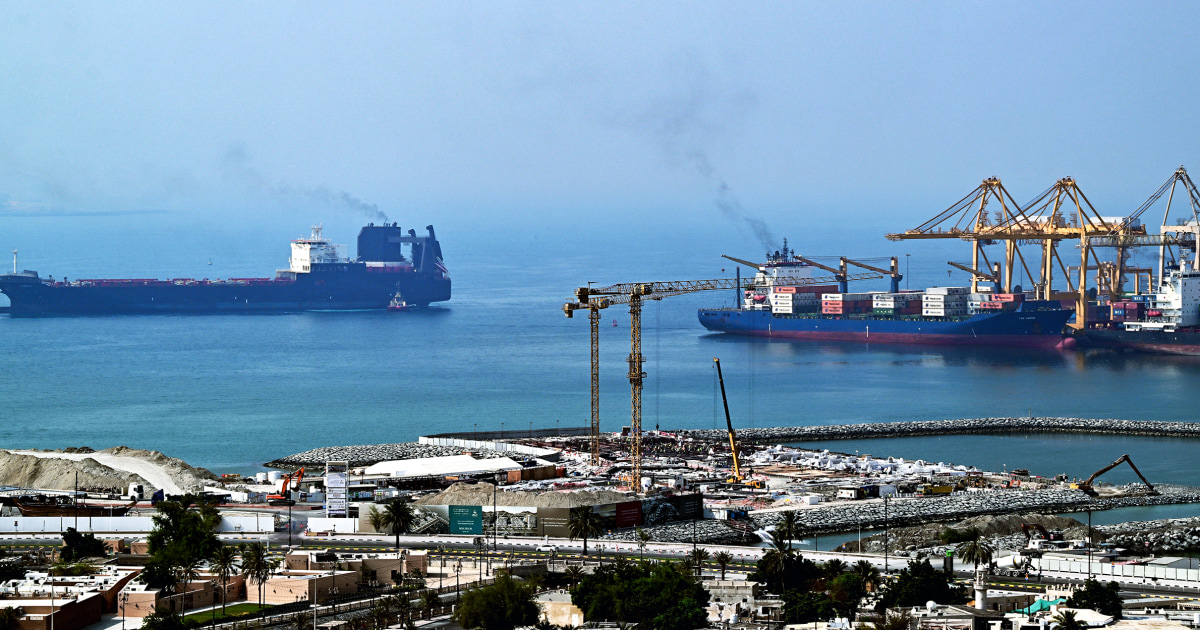
- The Strait of Hormuz became functionally impassable for most commercial shipping as of early March 2026 after Iran threatened to set vessels ablaze, causing an 80% drop in traffic through the waterway
- The strait typically funnels 20% of the world's daily seaborne oil, making the closure a supply shock rather than a purely paper-market move
- The escalation was fueled by U.S. and Israeli actions against Iran, with bombings continuing as the physical infrastructure of energy supply came under direct attack
- Warren Buffett wrote in his 1979 shareholder letter that the government is "exceptional" at "printing money and creating promises" but fundamentally cannot "print gold or create oil" — a quote the article frames as directly relevant to the current crisis
- Buffett compared Berkshire Hathaway's (BRK.A)(BRK.B) book value to gold, noting that 15 years of reinvested earnings still only bought the same half-ounce of gold it would have in 1964, illustrating the scarcity of physical resources
Why it matters: An 80% traffic collapse through a waterway carrying 20% of global seaborne oil has already pushed crude futures up 35% in five days — a measurable, physical supply shock. Oil companies collect more revenue from the spike, while oil-importing economies face immediate cost-push pressure. Buffett's 1979 observation that governments can print money but not oil was written for exactly this scenario, and the article argues it has never been more apt.
Ask SkimNews