Oil Surges Past $108 as Hormuz Closure Reshapes Markets — SkimNews
Get the Finance newsletter
Daily finance — markets, central banks, M&A, the prints that move money. Free.
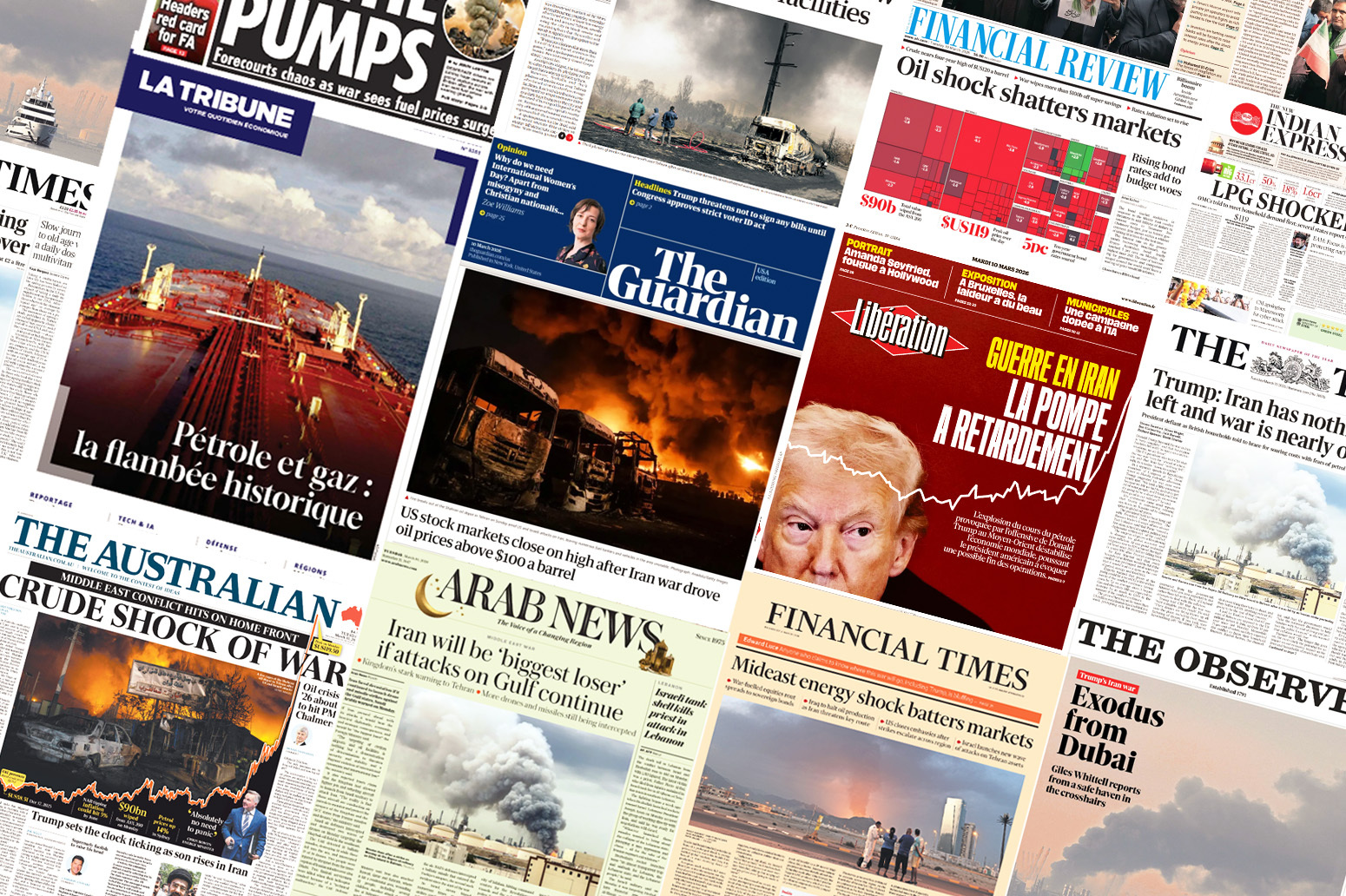
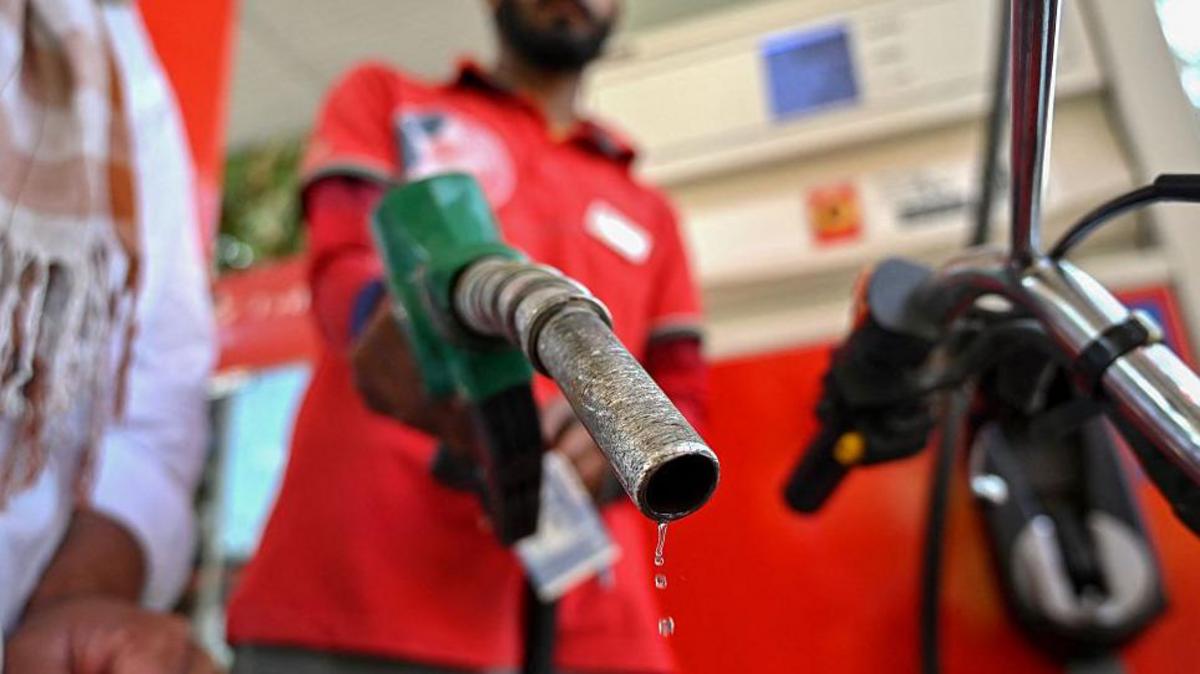
- Crude oil prices have nearly doubled since the start of 2025 and risen more than 58% since the Middle East war's outbreak, with both WTI and Brent trading above $108 a barrel as oversupply concerns gave way to supply disruption fears.
- Iran closed the Strait of Hormuz in retaliation against the Israel-US conflict, restricting passage through the chokepoint that handles nearly one-fifth of global crude flows and creating what the source calls the largest supply shock in decades.
- Non-Middle East suppliers such as the US and Brazil have stepped up exports — US shale increasing shipments to Europe, Brazil's offshore pre-salt fields providing reliable output — but longer shipping routes and crude grade differences limit how much they can offset lost Gulf volumes.
- Oil importing nations including India, Japan, and much of Europe face widening trade deficits, weaker currencies, and squeezed household budgets, while exporters Saudi Arabia, Russia, and Brazil reap windfall revenues and stronger fiscal positions.
- Central banks are responding cautiously: the Federal Reserve and European Central Bank lean toward rate hikes to tame accelerating inflation, Japan maintains accommodative policy, and emerging markets are split between defending currencies and protecting growth.
- The outlook stays volatile and tilted upward if Middle East tensions persist, with continued Hormuz disruption sustaining inflationary pressures, while a swift resolution could reopen routes, revive oversupply concerns, and give central banks room to pivot.
Why it matters: With both benchmarks above $108 and prices up 58% since the war began, the shock is actively redistributing wealth — importers like India, Japan, and Europe absorb widening trade deficits while exporters Saudi Arabia, Russia, and Brazil collect windfall revenues. The Fed and ECB now tilt toward rate hikes to fight accelerating inflation, meaning import-dependent economies get squeezed on both the price and the policy side simultaneously.
Ask SkimNews