Solar Eclipse Unites Public in Awe, Highlights Scientific Legacy — SkimNews

Get the Health newsletter
Daily health & science — research, biotech, public health, the studies worth knowing. Free.
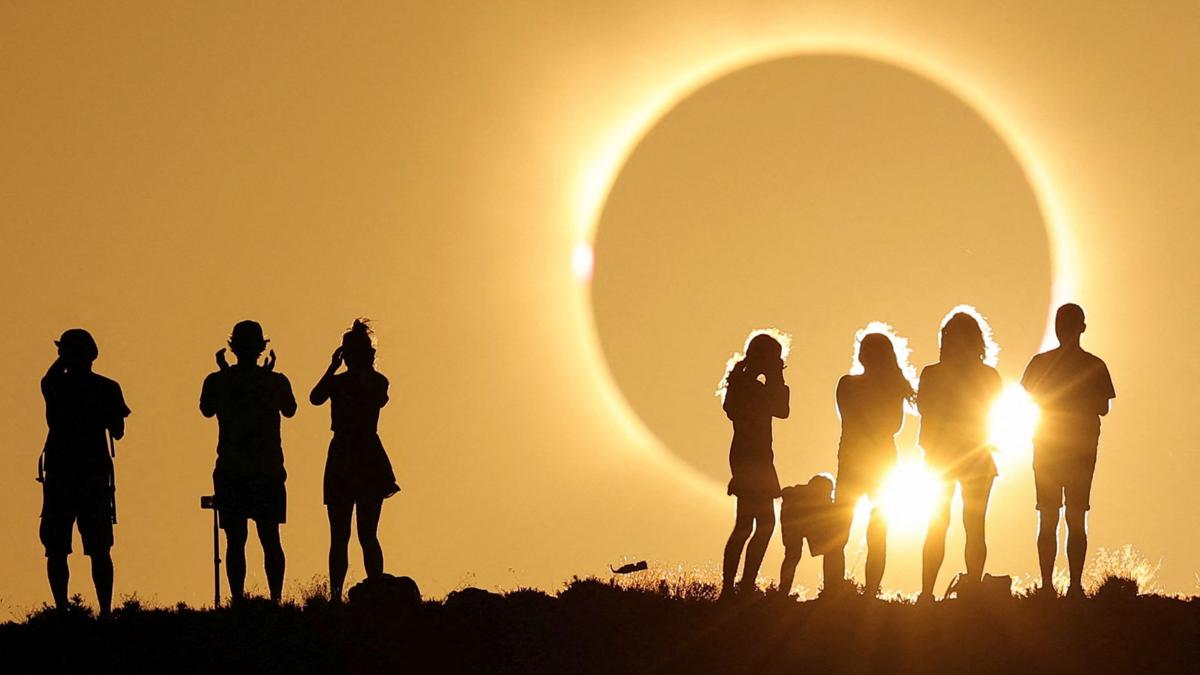
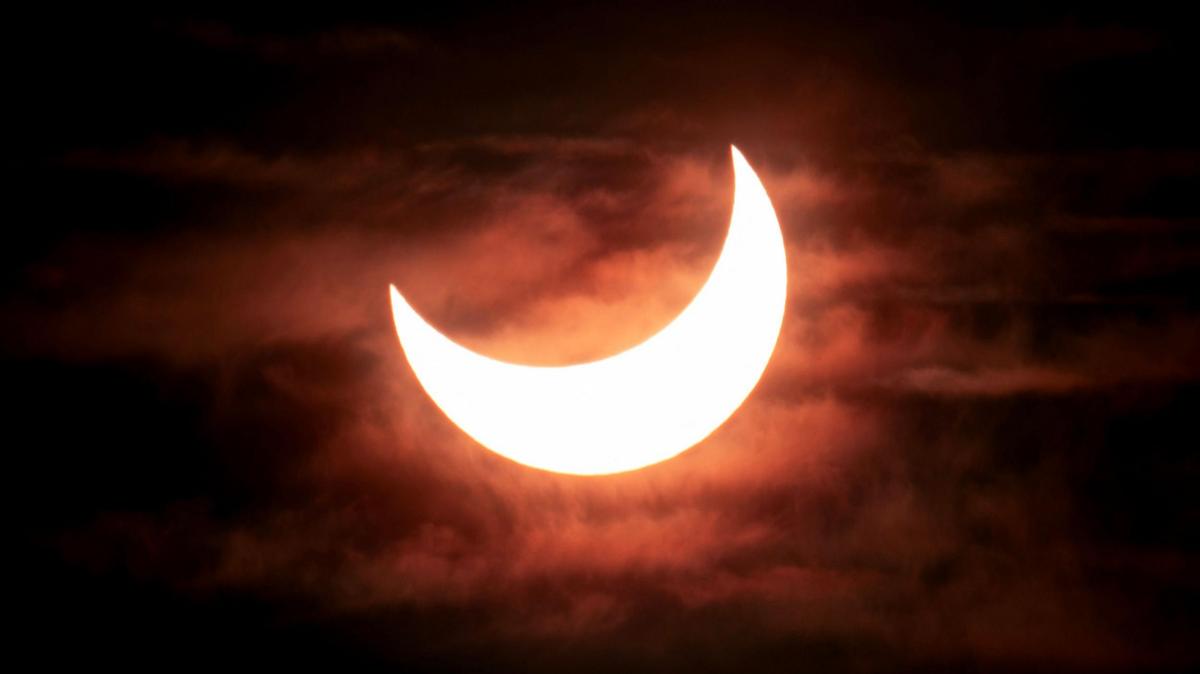
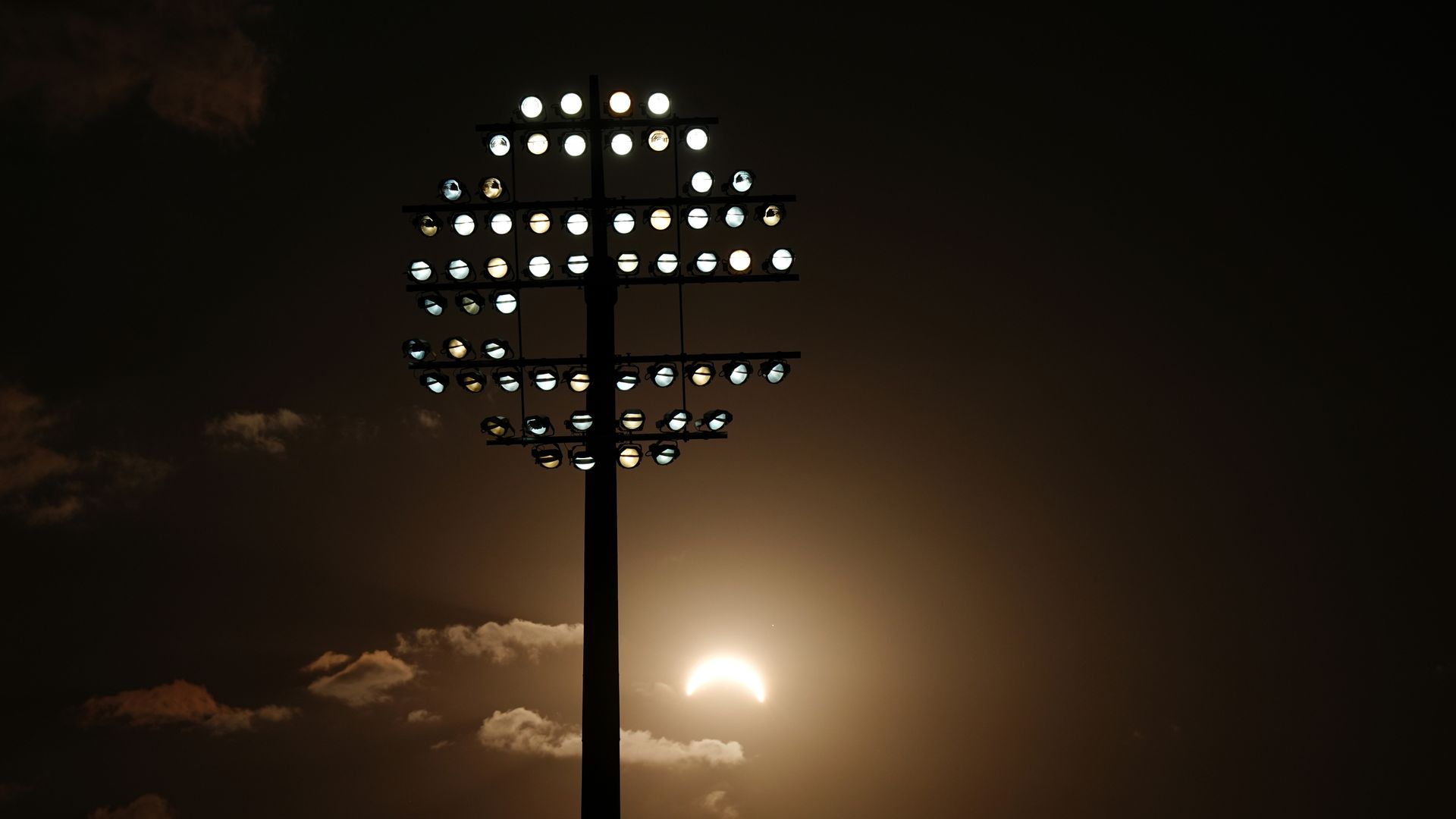
- Lisa Redfern described the partial solar eclipse in Cornwall as a 'magical eeriness,' capturing the emotional impact felt by many across Britain during the event.
- The moon passed directly between the sun and Earth, creating a syzygy that cast a shadow across Greenland, Iceland, and Spain—where totality occurred—and partially darkened Britain.
- Totality, visible only in the path crossing Greenland, Iceland, and Spain, revealed the sun’s corona in a dramatic display absent in Britain’s partial eclipse, with the next comparable UK total eclipse not due for 64 years.
- Anaxagoras is credited with first proposing the correct theory of eclipses after observing one in 478BC, marking an early fusion of astronomical insight and rational explanation.
- The Royal Society and Royal Astronomical Society organized the 1919 eclipse expeditions to Príncipe and Brazil, whose observations supported Einstein’s theory of general relativity, elevating his global scientific status post-WWI.
- Columbus used his knowledge of a lunar eclipse in 1504 to intimidate Jamaica’s Indigenous people into resuming food supplies, illustrating how astronomical understanding has historically conferred political leverage.
Why it matters: Scientific understanding of eclipses has repeatedly shifted from myth to tool—from Anaxagoras’ breakthrough to British-led validation of Einstein’s relativity—showing how natural phenomena can alter power dynamics and deepen human knowledge when observed systematically. The 1919 expeditions, funded and logistically backed by imperial institutions, produced results that transcended national enmities just months after WWI, proving science’s capacity to unify even amid geopolitical fracture.
Ask SkimNews