Cancer spread between unborn twins traced to single cell — SkimNews

Get the Health newsletter
Daily health & science — research, biotech, public health, the studies worth knowing. Free.
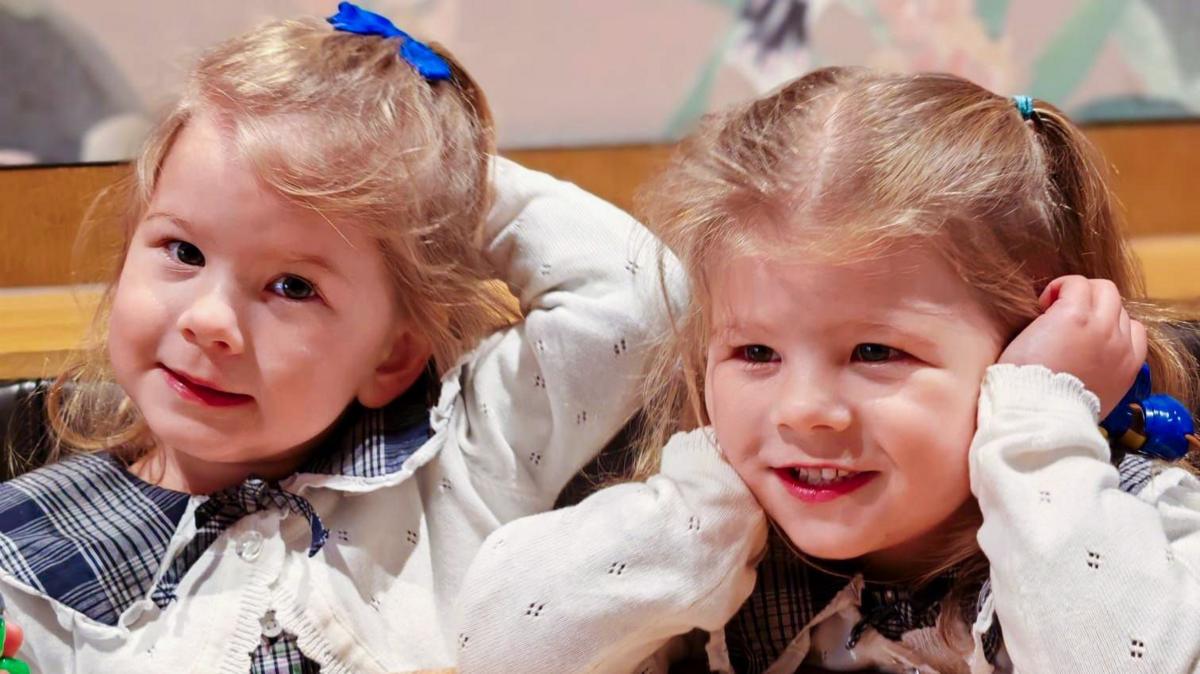
- Twins Amelia and Amaya were delivered by C-section at 34 weeks after a scan revealed one had a facial mass; both were found to have cancer in multiple locations, identified as soft tissue sarcomas, and died soon after birth.
- Sam Behjati at the Wellcome Sanger Institute led whole-genome sequencing on 45 cell samples from the twins' organs, placenta and tumours to determine whether their cancers arose independently or spread from one to the other.
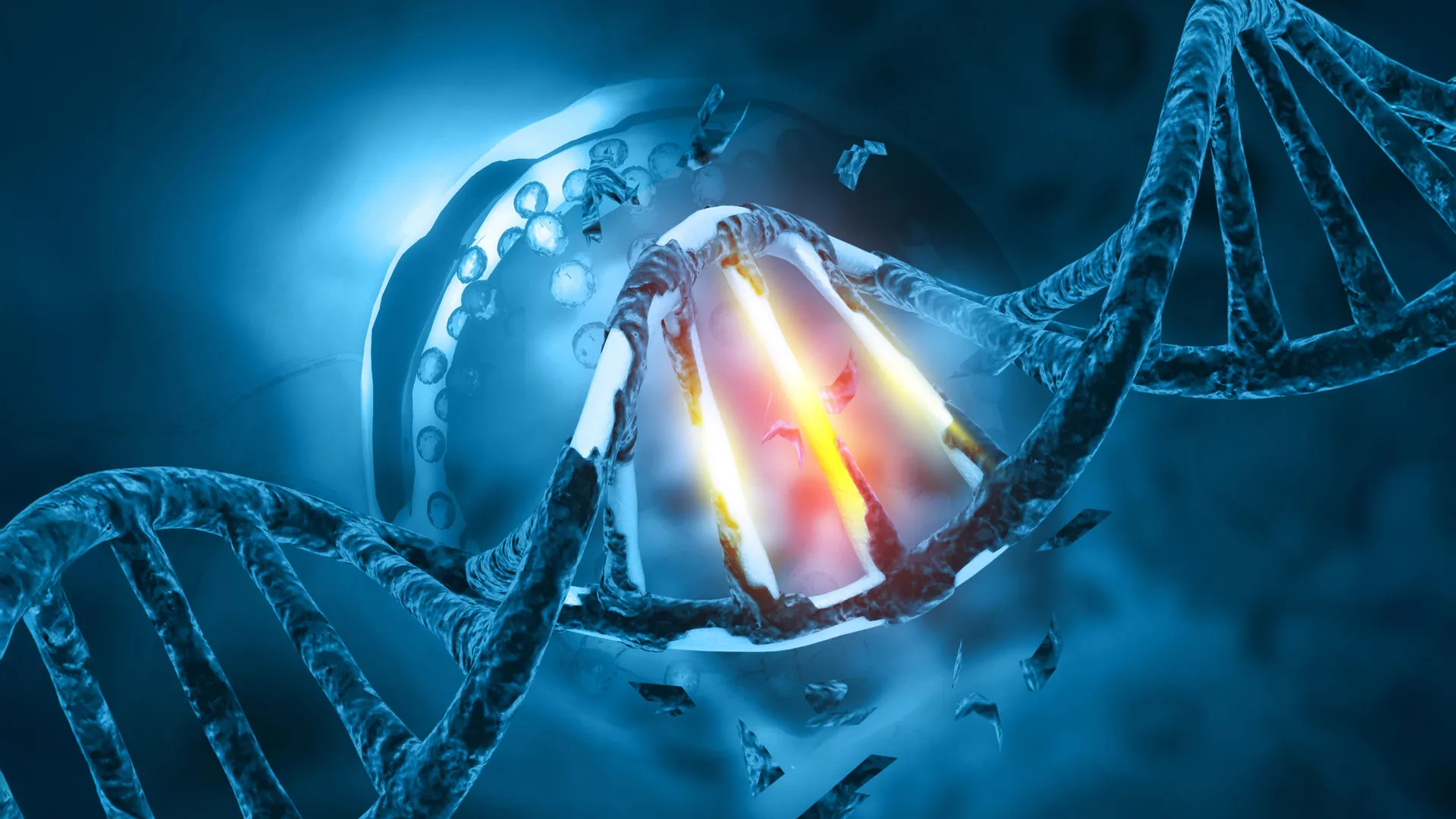
- Twin A's cancer originated from a fusion of the MN1 and ZNF341 genes around the end of the first trimester, producing her facial tumour along with growths in her brain, liver and other organs.
- Tumour cells crossed from twin A to twin B around the end of the second trimester via the twins' shared circulation, with twin B's brain and skin tumours composed entirely of her sister's cells—apparently from a single cancer cell that multiplied.
- The genetic analysis overturned the textbook account of identical twinning: rather than an embryo splitting in half, just one cell became twin A while every remaining cell became twin B and the entire placenta.
- The team is now setting up a systematic study of twinning, prompted by the finding that one twin built the entire placenta alone—a pattern Behjati says will intrigue placenta researchers.
Why it matters: This case provides direct molecular evidence that cancer can metastasise between human fetuses sharing a placenta, a phenomenon long suspected but rarely documented. The incidental finding—that identical twins may arise from a single embryonic cell rather than a 50-50 split—rewrites a foundational assumption in developmental biology and has already prompted a dedicated twinning study.
Ask SkimNews