N4BP2 Enzyme Triggers Cancer Chromosome Shattering — SkimNews
Get the Health newsletter
Daily health & science — research, biotech, public health, the studies worth knowing. Free.
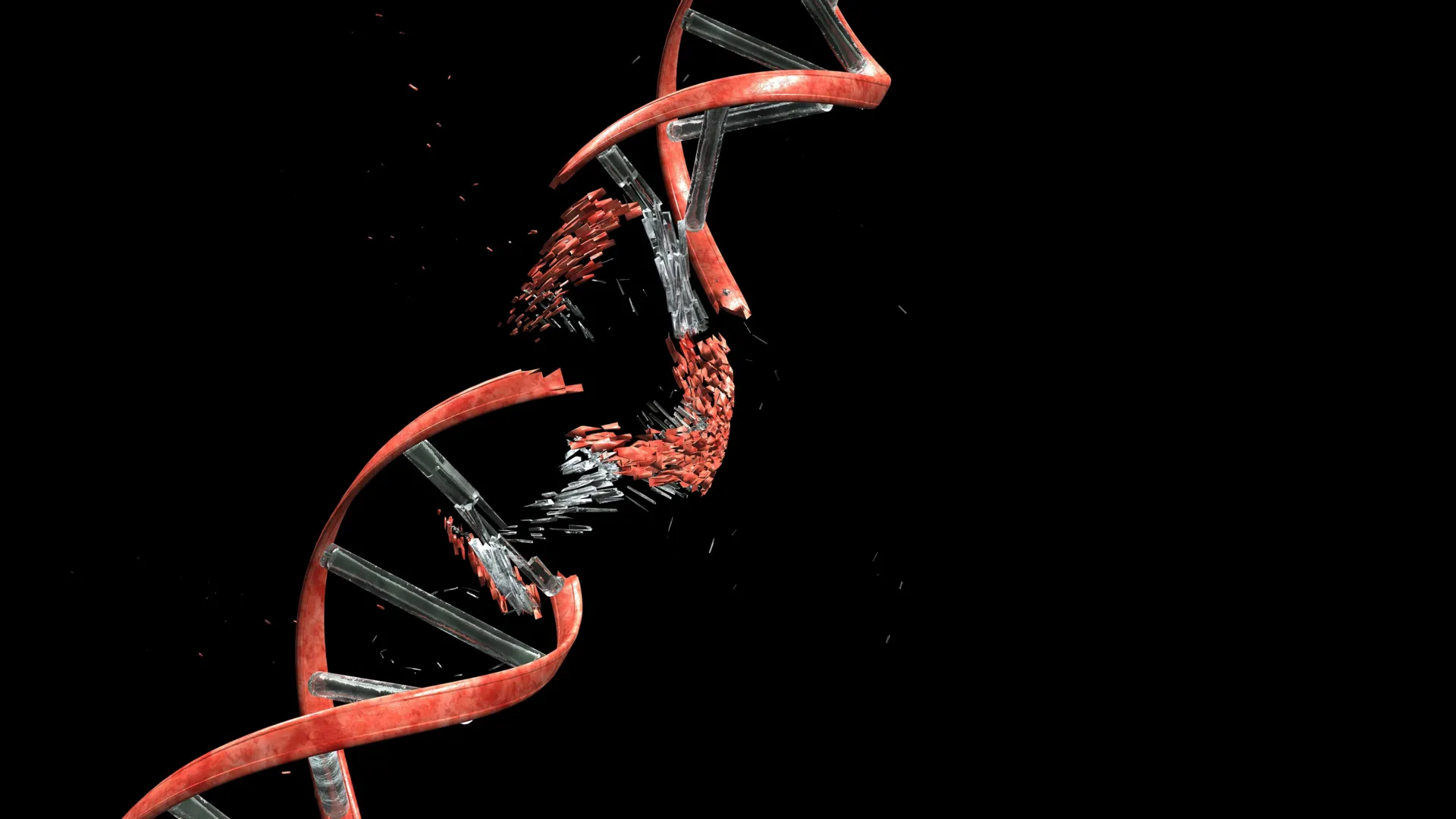
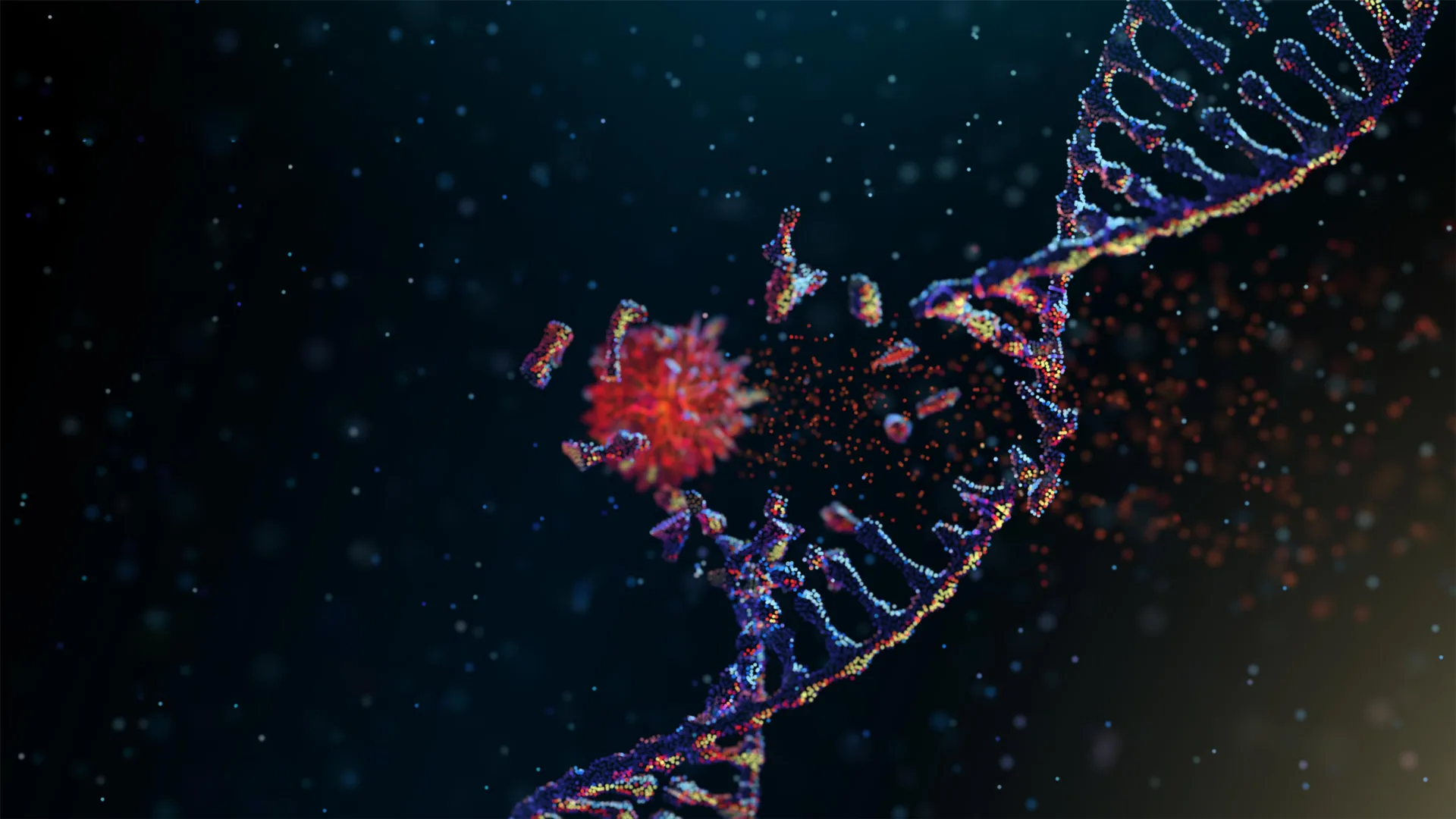
- N4BP2 was identified through an imaging-based screen of all known and predicted human nucleases as the only enzyme able to enter micronuclei and fragment DNA trapped there after cell-division errors, making it the long-sought 'spark' for chromothripsis.
- Removing N4BP2 from brain cancer cells caused chromosome shattering to drop dramatically, while forcing the enzyme into the nuclei of healthy cells broke apart intact chromosomes — experiments the team says prove N4BP2 is sufficient to cause chromothripsis, not merely correlated with it.
- Analysis of more than 10,000 cancer genomes spanning multiple tumor types found that cancers with higher N4BP2 activity had significantly more chromothripsis, more large-scale structural rearrangements, and more extrachromosomal DNA (ecDNA).
- The study, published in Science, reframes ecDNA — circular DNA fragments long studied as a separate hallmark of aggressive tumors — as a downstream consequence of chromothripsis rather than an independent phenomenon.
- Chromothripsis affects roughly one in four cancers overall, nearly all osteosarcomas, and many brain cancers, and can produce dozens to hundreds of genetic alterations in a single catastrophic event that fuels therapy resistance.
- Senior author Don Cleveland of UC San Diego framed the discovery as a new 'actionable point of intervention for slowing cancer evolution' by targeting N4BP2 or the pathways it activates.
Why it matters: Researchers now have a concrete molecular target — N4BP2 — for chromothripsis-driven tumors, which account for roughly a quarter of cancers and include nearly all osteosarcomas. A drug that blocks the enzyme could slow the burst-of-evolution events that let tumors outpace existing therapies, reframing treatment strategy for some of the most aggressive and drug-resistant cancers.
Ask SkimNews