US-Iran Talks Stall as Tehran's Leverage Fades — SkimNews
Get the Geopolitics newsletter
Daily geopolitics — wars, elections, sanctions, the diplomatic moves that move markets. Free.
- U.S. and Iranian negotiators held indirect talks in late September, the first since their June memorandum of understanding collapsed, with Trump calling the discussions "productive" on Oct. 8.
- Tehran's offer to reopen the Strait of Hormuz within a week is losing its allure for Washington, as traffic through the chokepoint has trended upward despite the blockade threat.
- Iran is demanding upfront financial returns and insists nonproliferation discussions must follow an initial phase of financial access and sanctions relief — terms the Trump administration likely views as unsatisfactory.
- Recent heightened attacks on vessels are Tehran's way of signaling it can still inject volatility into energy markets, though the article concludes this pressure alone won't force Washington to accept Iranian terms.
- The window of opportunity for Iran will close after the Nov. 3 midterm elections, as the Trump administration will face less pressure to address high oil prices and an unpopular war once voters have cast ballots.
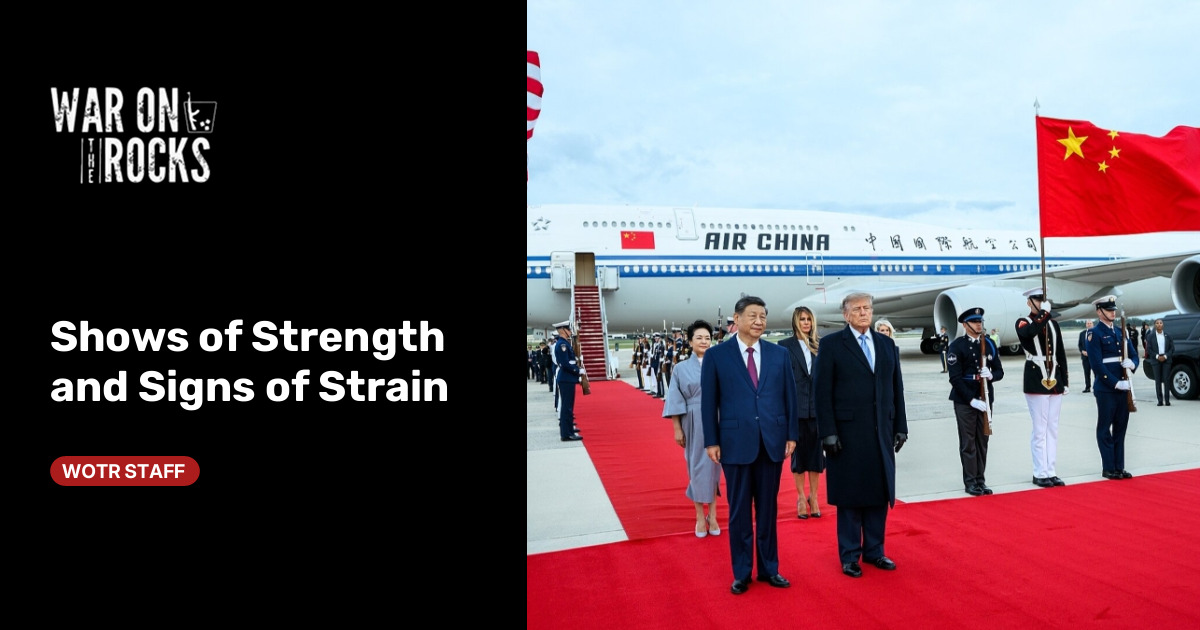
- The Sept. 23–25 Trump–Xi summit in Washington featured extensive pageantry and diplomatic protocol but achieved little of clear substance, according to the newsletter's China section.
Why it matters: With midterms on Nov. 3, Iran's negotiating leverage is eroding on a deadline: rising Strait of Hormuz traffic blunts its blockade threat, and the Trump administration loses its political incentive to offer financial concessions once voter anger over fuel prices no longer threatens the GOP. Tehran is asking for upfront money before any nuclear concessions — a sequencing Washington has little reason to accept once the election pressure lifts.
Ask SkimNews


