Portsmouth Shore Power Costs More Than Ship Generators — SkimNews
Get the Energy newsletter
Daily energy & climate — solar, EVs, oil, the policy fights and tech bets shaping the transition. Free.
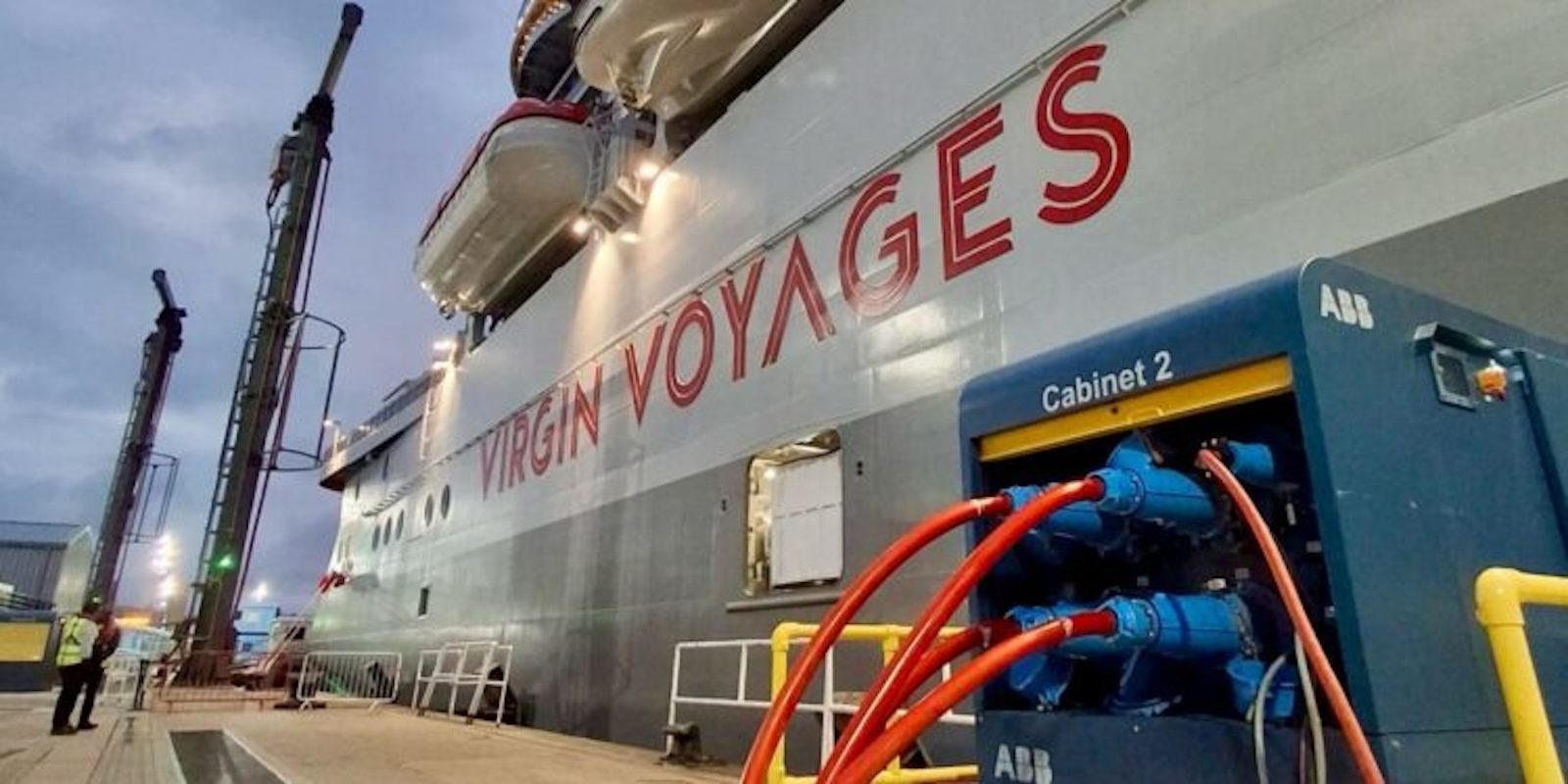
- Portsmouth International Port launched the UK's first high-voltage, multi-berth shore power system, letting docked ships plug into the grid and shut off their diesel generators.
- Electricity accounts for 80–85% of the total cost paid by vessels using Portsmouth's shore power, with port fees only 15–20% — making grid connection more expensive than burning fuel oil on board.
- Portsmouth faces an estimated 10% year-on-year rise in Transmission Network Use of System (TNUoS) charges over the next five years, compounding the cost problem.
- The UK's House of Commons Library found electricity prices were 18% above the EU average in H2 2025, and the International Energy Agency found EU industrial power prices averaged more than double those in the US.
- The push mirrors net-zero port ambitions at the Port of Long Beach, Port of New York and New Jersey, and JFK Terminal One, which are also deploying shore power to cut emissions from docked vessels.
Why it matters: Shore power's emissions benefits don't automatically translate to savings where electricity is costly — Portsmouth's math shows that with grid power running 80–85% of the shore-power bill, UK ship operators have no financial reason to plug in, leaving the port's net-zero goal dependent on grid price reform rather than technology alone.
Ask SkimNews