EU's €1.2T Grid Gap Undermines Electrification Push — SkimNews

Get the Energy newsletter
Daily energy & climate — solar, EVs, oil, the policy fights and tech bets shaping the transition. Free.
- The Netherlands has become Europe's warning case: despite among the world's highest per-capita offshore wind deployment and aggressive electrification policies, its grid is structurally congested, with 15,000+ companies on waiting lists for connections and even residential developments blocked by lack of electricity capacity.
- The Dutch electricity system suffers simultaneous surplus and scarcity — producing more renewable power than it can use during favorable wind-and-sun conditions while unable to meet demand at other times, a direct outcome of generation outpacing grid infrastructure.
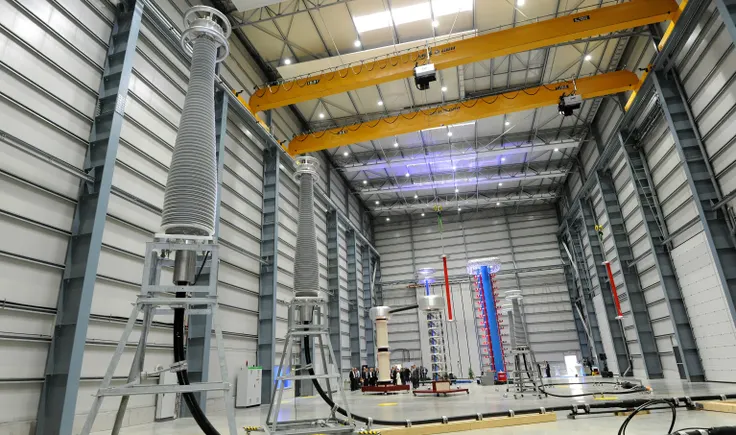
- Europe's electricity grids alone require €1.2 trillion in investment by 2040, with high-voltage transmission lines typically taking more than a decade to build — a timeline the article argues current EU mechanisms and the €660 billion annual investment target cannot meet.
- Brussels' fiscal room is squeezed by competing demands: European defense spending has reached hundreds of billions annually with EU-level instruments targeting up to €800 billion in mobilized resources, plus ongoing Ukraine support and renewed energy security risks from Middle East tensions, where the Strait of Hormuz handles roughly a fifth of global oil and LNG flows.
- The private capital solution the EU strategy leans on is inadequate, the article argues, because institutional investors require predictable risk-adjusted returns that grid infrastructure, industrial electrification, and system flexibility often cannot provide without significant public guarantees.
- The article recommends elevating energy infrastructure to the same strategic status as defense — including joint borrowing, redirecting carbon pricing revenues toward grid investment, and significantly expanding the role of the European Investment Bank and national development banks.
Why it matters: The €1.2 trillion grid investment need by 2040 collides with €800 billion in defense spending mobilization, Ukraine support costs, and Hormuz-driven energy security pressures — leaving Europe's electrification strategy exposed to what the source calls a fiscal collision where private capital alone cannot close the gap without a strategic reallocation of public capital on a wartime scale.
Ask SkimNews