UK Shore Power Loses to Diesel on Price — SkimNews
Get the Energy newsletter
Daily energy & climate — solar, EVs, oil, the policy fights and tech bets shaping the transition. Free.
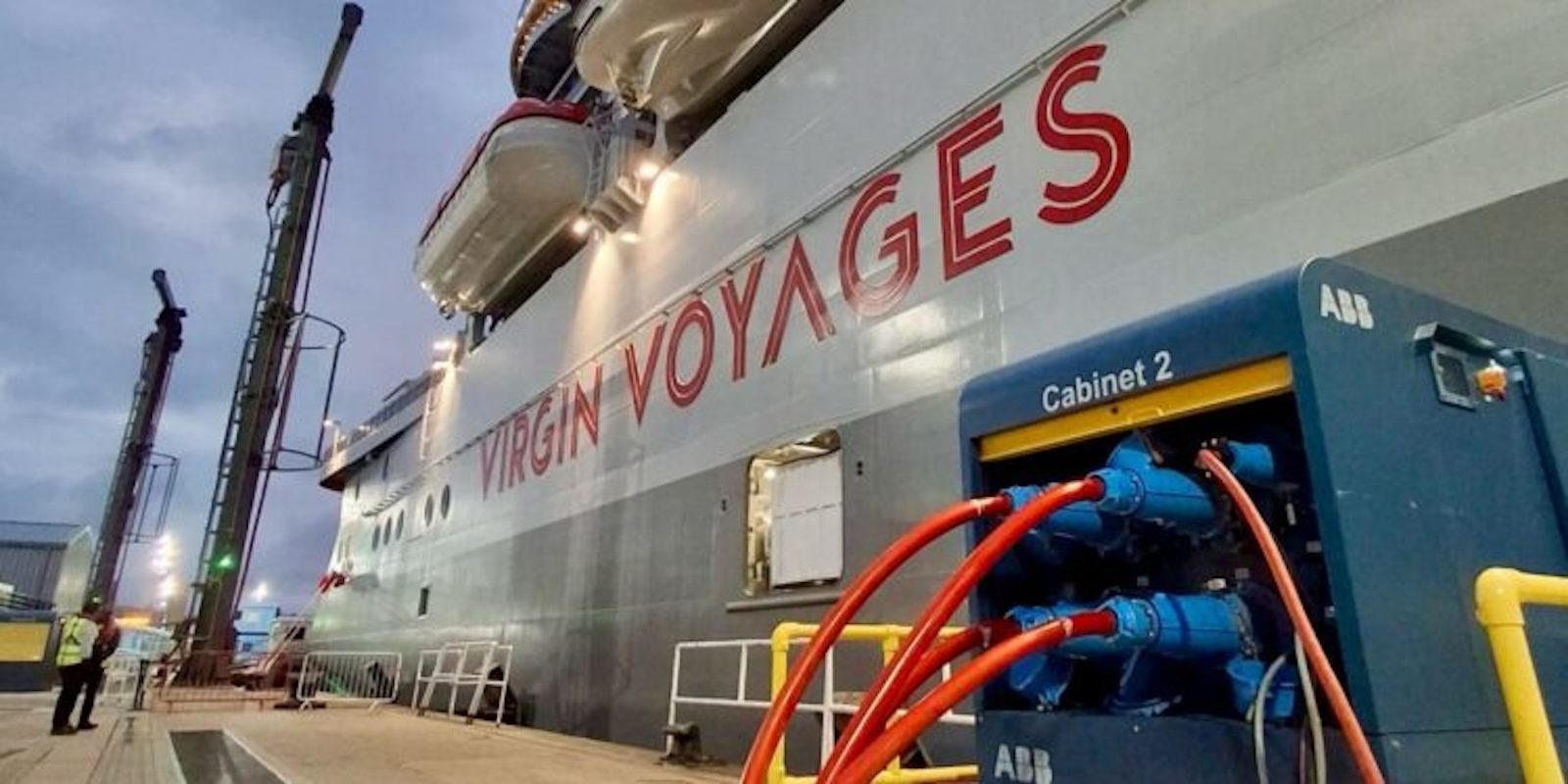
- Portsmouth International Port launched the UK's first high-voltage, multi-berth shore power system, designed to let docked ships switch off onboard generators and plug into grid power to cut emissions.
- Shore power economics at Portsmouth are inverted: electricity accounts for 80–85% of what a vessel pays to plug in, making grid power more expensive than burning fuel to generate onboard.
- UK electricity prices sat 18% above the EU average in the second half of 2025, according to the House of Commons Library, while the International Energy Agency found EU industrial electricity prices averaged more than twice those in the US.
- Portsmouth faces an estimated 10% year-on-year increase in Transmission Network Use of System (TNUoS) charges over the next five years, compounding the cost gap with onboard generation.
- Portsmouth's ambition mirrors US peers including the Port of Long Beach and the Port of New York and New Jersey, where cheaper electricity makes the shore-power business case work.
Why it matters: Portsmouth built the hardware but the math doesn't work: with UK electricity 18% above the EU average and grid-use charges at Portsmouth rising an estimated 10% annually, ships have no cost incentive to plug in. Until UK electricity pricing changes, similar port-electrification projects across Britain risk launching with the same adoption gap.
Ask SkimNews