Malaysia Begins Myanmar Deportations Despite UN Objections — SkimNews
Get the Geopolitics newsletter
Daily geopolitics — wars, elections, sanctions, the diplomatic moves that move markets. Free.
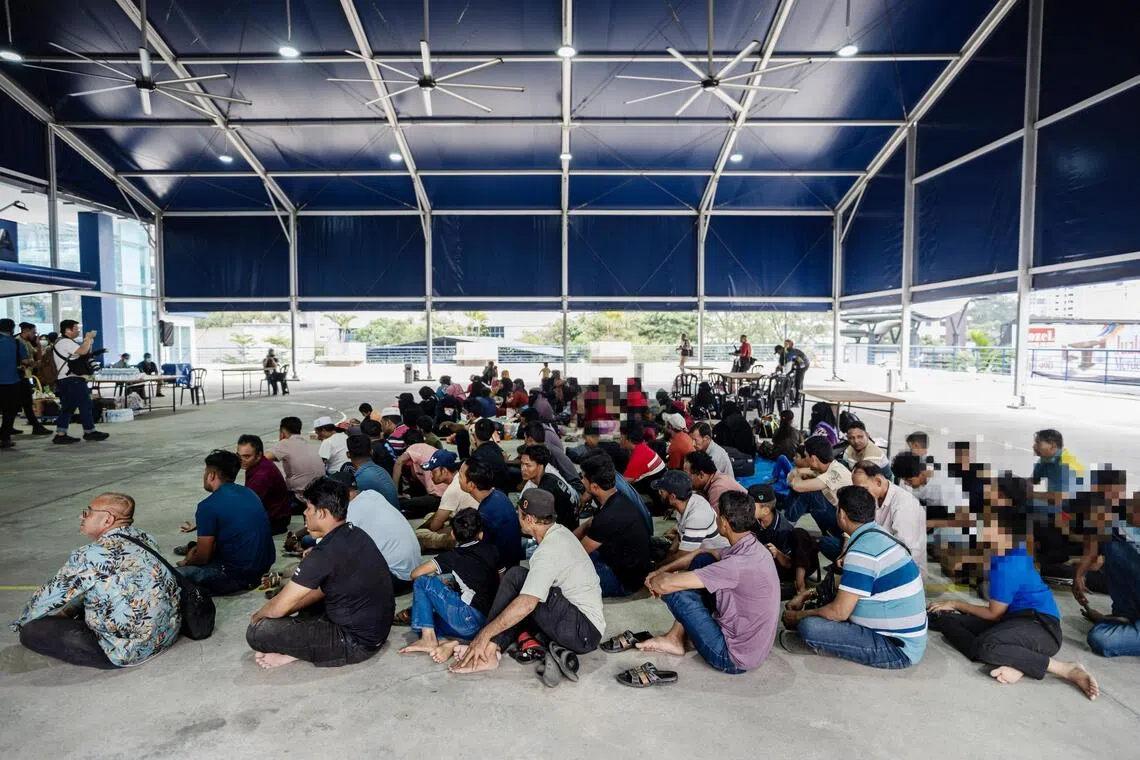
- Malaysia will deport its first 1,476 Myanmar nationals on Sept 29 under a phased plan potentially covering 5,000, despite pressure from the UNHCR and rights groups to halt them and the agency's explicit statement that it holds no operational role in the exercise.
- Human rights advocates warn the returns risk violating the non-refoulement principle, with Myanmar's post-2021-coup civil war and junta conscription laws exposing returnees to arrest, forced military recruitment, or detention.
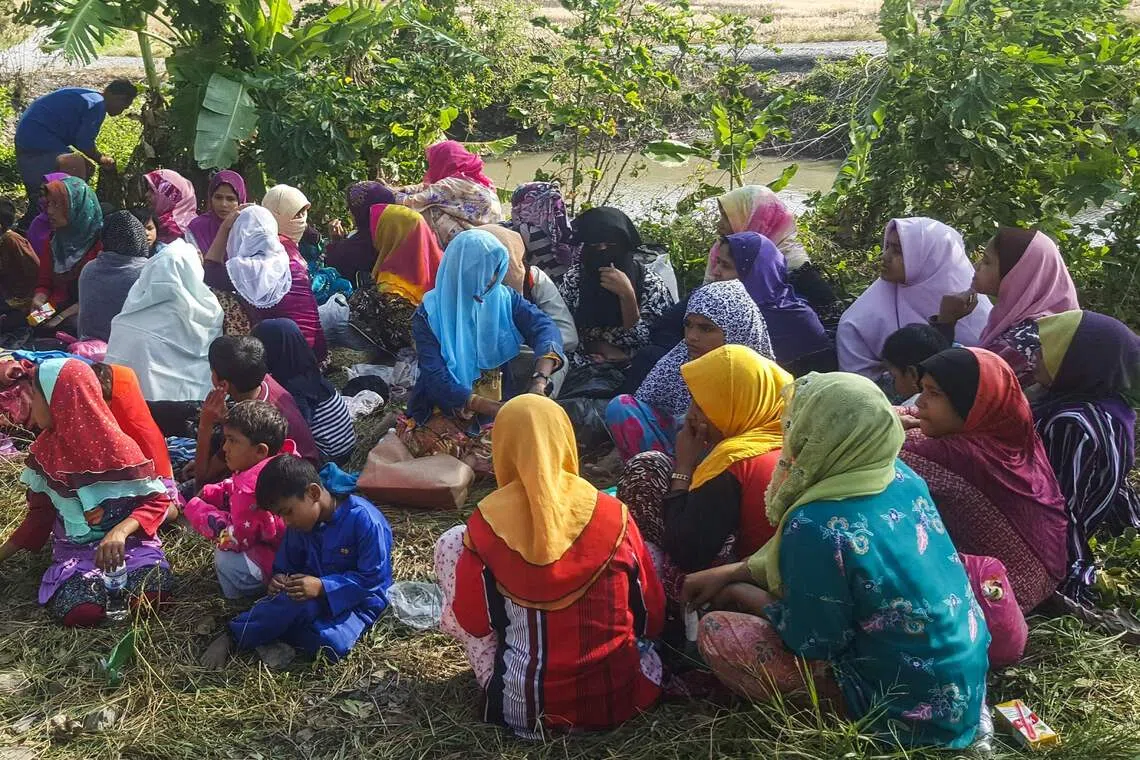
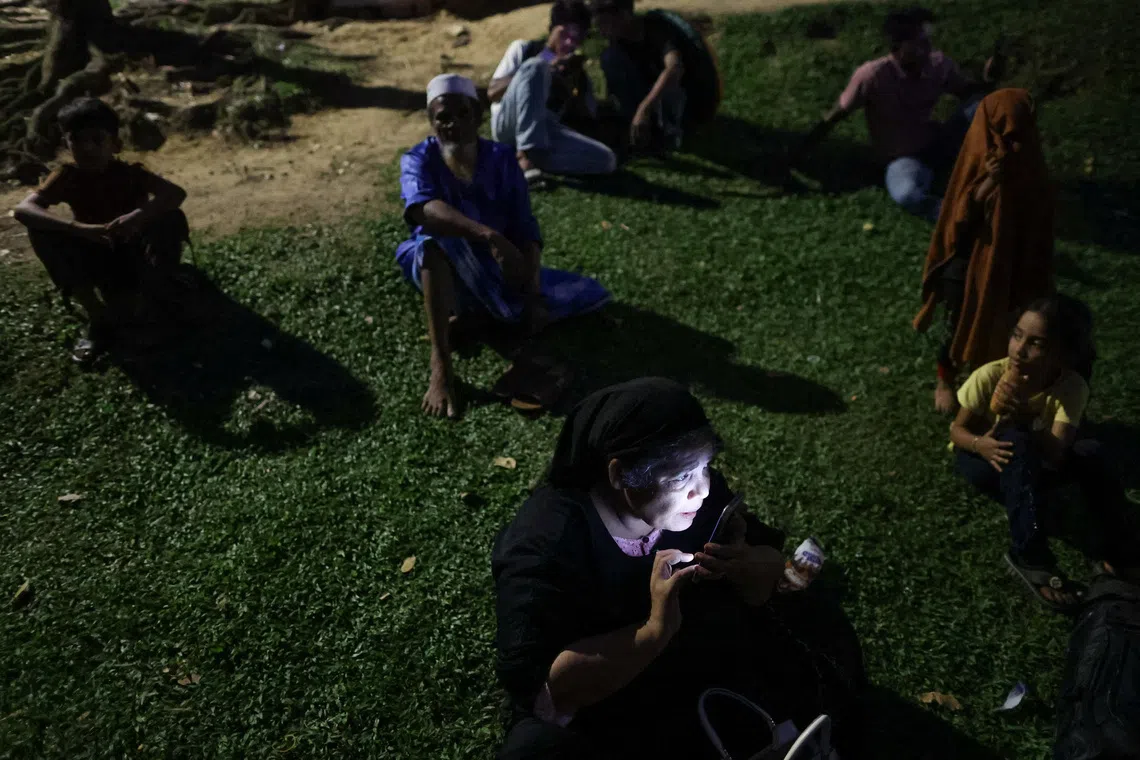
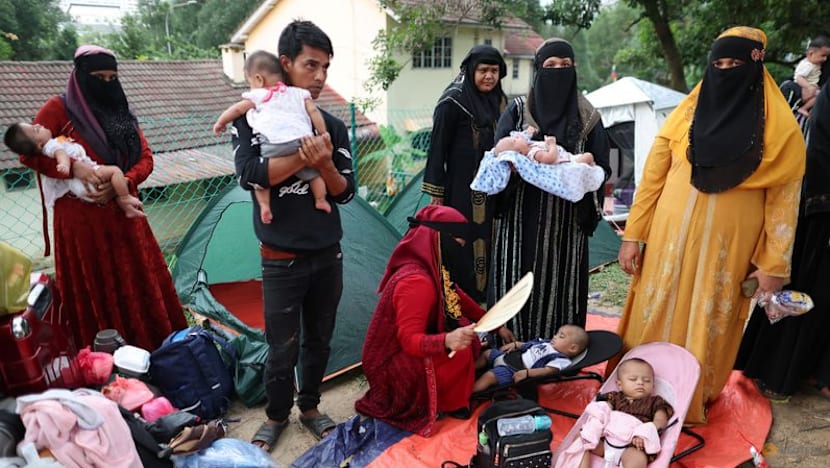
- UNHCR data shows 215,600 refugees and asylum-seekers registered in Malaysia as of late February, including 126,144 Rohingya and 64,680 Myanmar children under 18, with the vast majority remaining in legal limbo after the first wave.
- Rahman Shah, a third-generation Rohingya community leader who has lived in Malaysia for 45 years, said online hate campaigns — including a slur comparing Rohingya to municipal waste bins — have fueled physical assaults on refugees, with some too afraid to leave home to buy food.
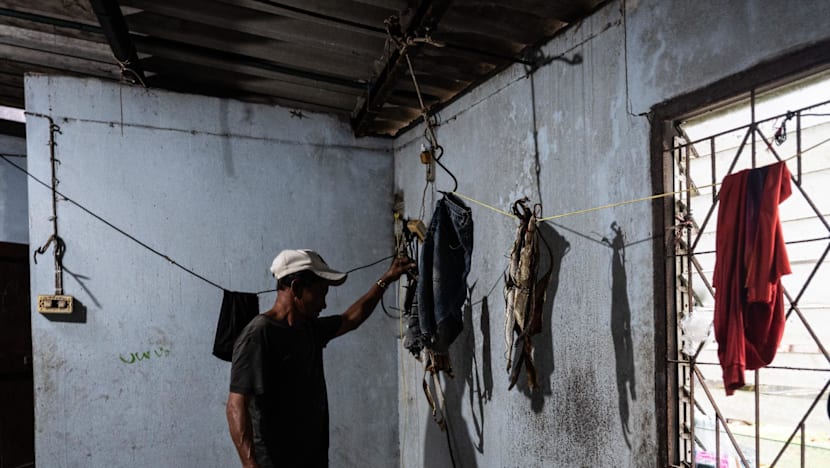
- James Bawi, a Chin community leader running a refugee school in Kuala Lumpur, said parents are increasingly afraid to send children to class, leaving refugees trapped between fear of immigration raids and the necessity of informal work to survive.
- Prime Minister Anwar Ibrahim confirmed via a Sept 16 Facebook podcast that Myanmar agreed to receive its nationals after bilateral negotiations, while insisting enforcement must not involve physical abuse, humiliation, or inhumane treatment.
- Malaysia's Home Ministry said an additional 4,008 nationals — mostly Rohingya — will be channelled to a new domestic registration scheme to verify identity, national security background, and immigration status.
Why it matters: Malaysia is pressing ahead with returns to a country still in active civil war, with the UN refugee agency publicly distancing itself from the operation. For the 126,144 Rohingya and tens of thousands of other Myanmar nationals in legal limbo, the policy offers no protection from junta conscription or violence — only a choice between informal survival under rising hostility or repatriation into conflict.
Ask SkimNews