GLP-1 Drugs Cut Overdose Risk in Half in Veterans Study — SkimNews

Get SkimNews daily
A curated daily digest across 7 categories: geopolitics, tech, finance, health, energy, sports, culture. Free.
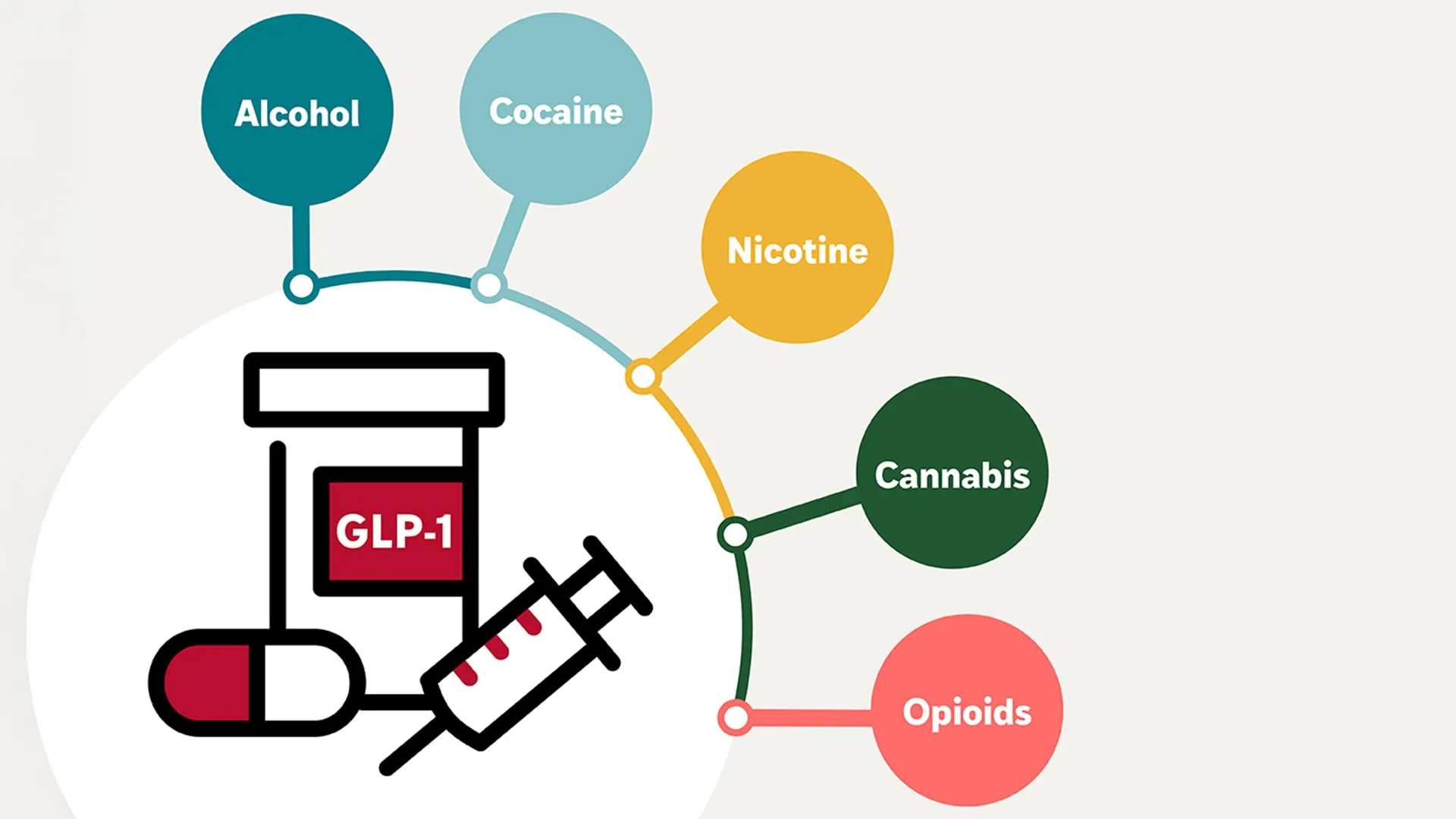
- US veterans study found diabetic patients on GLP-1 drugs were less likely to develop addictions to a wide range of substances, and those already using drugs were about half as likely to suffer overdose or drug-related death while taking the jabs
- GLP-1 agonists work partly on satiation and reward centres in the brain, and the piece argues problematic food and drug cravings likely share a biological basis that next-generation medicines may target more precisely
- Adoption is already substantial — one in eight Americans and roughly one in 20 people in the UK have taken a GLP-1 drug, even as countries such as Germany cover the drugs for diabetes but not obesity, with a government spokesperson calling weight loss "a matter of individual responsibility and personal lifestyle"
- Prof Chris Whitty, England's chief medical officer, recently argued against prescriptions being viewed as an alternative to policies promoting healthier food, a stance the article endorses while still calling for pragmatic use of the drugs
- Risks remain: a recent study suggested GLP-1s carry an increased risk of vision loss, and the drugs are expensive with unpleasant side-effects, the piece notes
- David A Kessler, former head of the US FDA, writes in his new book Diet, Drugs and Dopamine that the drugs' effectiveness "underscores the fact that being overweight or obese is not a product of lack of discipline or willpower"
- Historical parallel: the piece compares current resistance to GLP-1s for obesity with the early backlash against methadone and suboxone for opioid addiction, arguing pragmatism followed once society became less moralistic about treating addiction
Why it matters: If GLP-1s cut overdose deaths by roughly half among substance users, the case for off-label addiction prescriptions becomes hard to ignore — and reframes obesity as a treatable biological condition rather than a willpower failure. The central challenge lands on policy makers in countries like Germany, where officials still frame weight loss as a matter of individual responsibility even as millions already use the drugs.
Ask SkimNews