AI’s infrastructure boom is getting more leveraged — and harder to track — SkimNews

Get the Finance newsletter
Daily finance — markets, central banks, M&A, the prints that move money. Free.
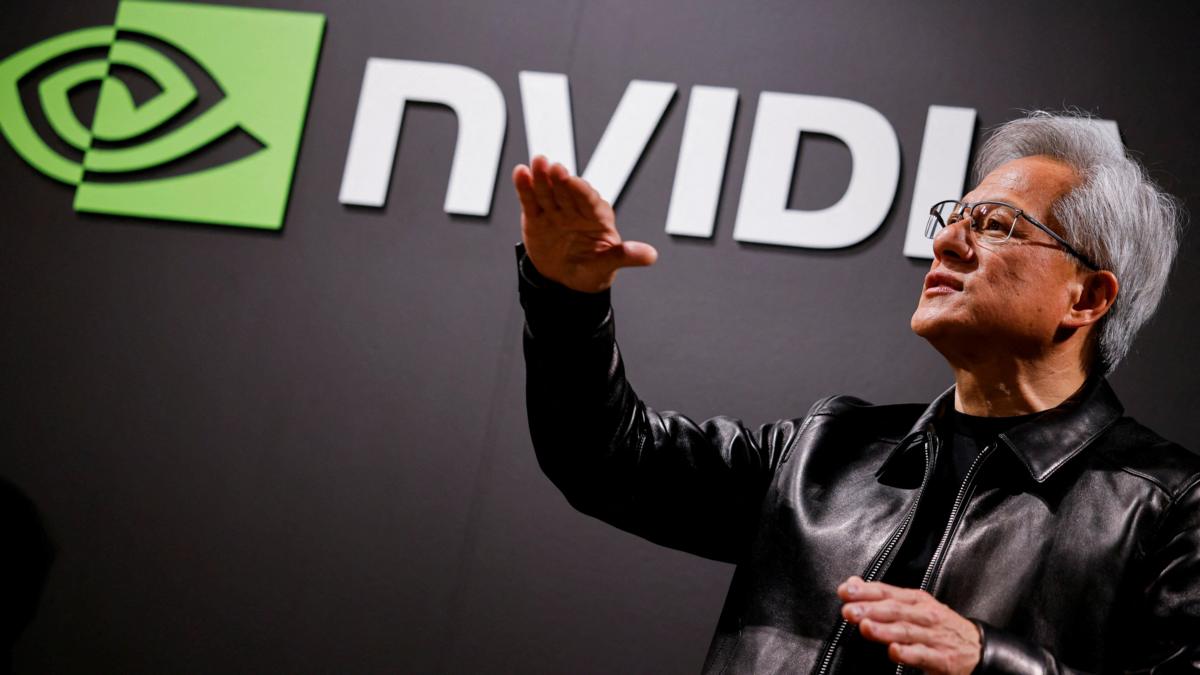
- Nvidia partnered with Apollo, Blackstone, BlackRock, Brookfield, KKR, and Goldman Sachs to mobilize over $500 billion of third-party capital for AI infrastructure, with CEO Jensen Huang telling CNBC Nvidia's chips are now an "investable infrastructure asset."
- Goldman Sachs analysts estimated hyperscalers' combined lease commitments reached $1.5 trillion (up from ~$200 billion five years ago), including about $1 trillion of "uncommenced" leases not yet shown on balance sheets but that will produce future payments.
- Situational Awareness collapsed after failing to meet margin calls on leveraged equity bets, with assets falling from $45 billion to about $10 billion; its concentrated portfolio included SK Hynix and CoreWeave.
- Citadel stepped in to buy Situational Awareness' publicly listed positions at a discount; SK Hynix and CoreWeave have since rallied.
- PIMCO's Lotfi Karoui compared the AI capex cycle, adjusted for inflation, to 19th-century railway construction, noting consensus forecasts of hyperscaler capital spending surpassing $1 trillion per year from 2027 onward with "no clear signs of moderation."
- JPMorgan CEO Jamie Dimon told CNBC margin debt is "pretty high," adding that it increases the risk of amplified volatility.
- Ninety One's Sahil Mahtani countered that elevated earnings expectations — not leverage — are the main risk to markets, noting equity concentration in tech-heavy indices is "historically high" and can amplify moves like leverage does.
Why it matters: With Goldman estimating $1 trillion in "uncommenced" leases hidden from balance sheets and Situational Awareness losing $35 billion in assets to margin calls, investors face growing difficulty tracking the true scale of leverage propping up the AI infrastructure boom. JPMorgan's Dimon publicly flagging margin debt as "pretty high" gives a major bank CEO's warning that an AI-driven selloff could spread fast through crowded, leveraged trades.
Ask SkimNews