Hormuz closure cuts 11M barrels/day; Saudi spared — SkimNews
Get the Energy newsletter
Daily energy & climate — solar, EVs, oil, the policy fights and tech bets shaping the transition. Free.
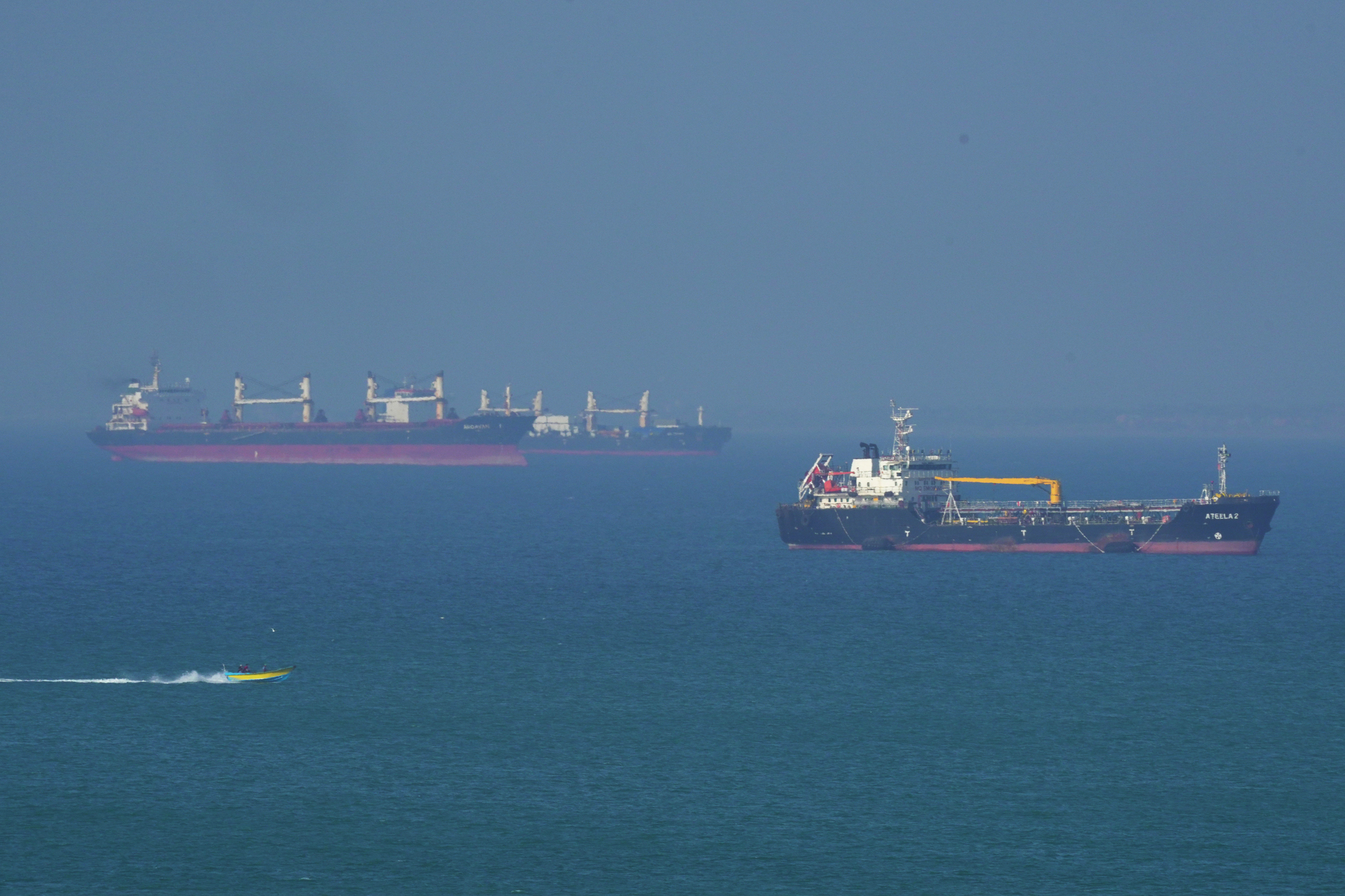
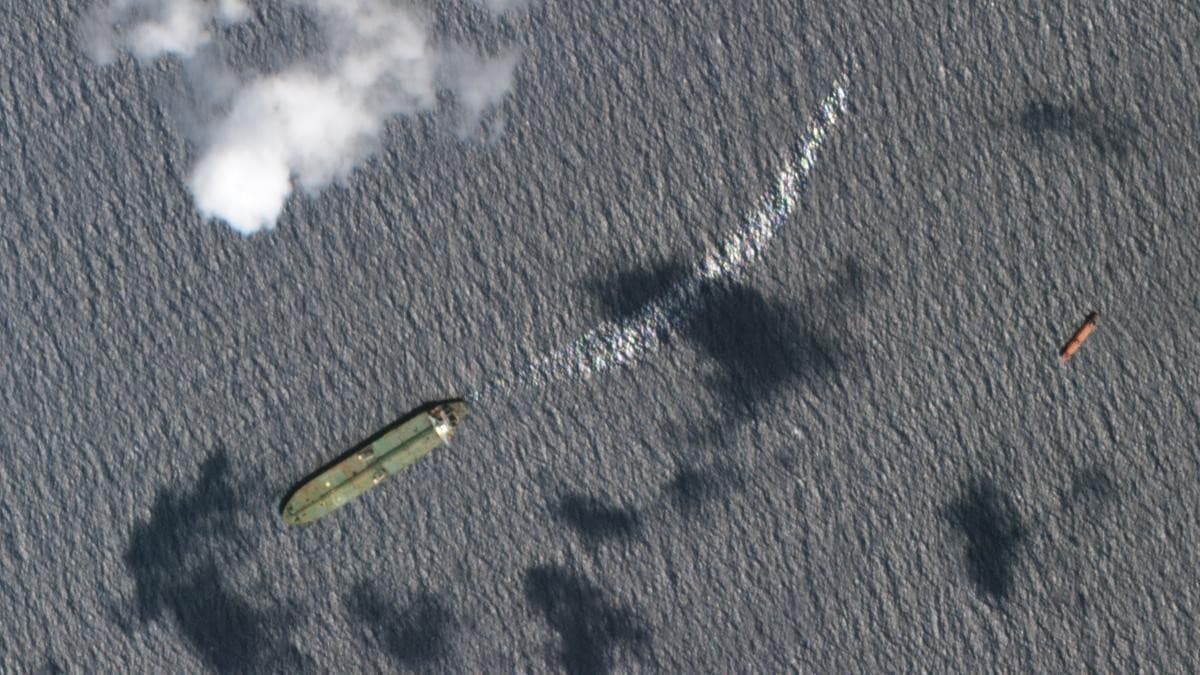
- U.S.-Israel war that began in late February cut the Middle East’s petrostates’ crude and fuel exports by roughly 11 million barrels per day.
- Bahrain suspended all oil production in March, according to Le Monde citing Kpler data.
- Iraq halted 78 % of its output after the Strait of Hormuz closure.
- Kuwait slashed production by more than 60 % after the closure.
- Saudi Arabia cut output by 25 % (about 2 million barrels daily) and redirected up to 7 million barrels daily via its East‑West pipeline to the Yanbu port, which was exporting 4.6 million barrels per day.
- Iran saw its production decline by 13 % over the last month.
- Bloomberg survey estimated the Hormuz shutdown cost OPEC a daily loss of 7.56 million barrels, pushing total March production cuts to 22 million barrels.
Why it matters: Petrostates that rely solely on the Strait of Hormuz—like Iraq, Kuwait, and Bahrain—suffered massive output cuts, while Saudi Arabia and the UAE, with alternative pipelines, kept export flows near capacity, underscoring the strategic value of diversified export routes for global oil markets.
Ask SkimNews