A plug-in solar solution that utilities and lawmakers can agree on — SkimNews
Get the Energy newsletter
Daily energy & climate — solar, EVs, oil, the policy fights and tech bets shaping the transition. Free.
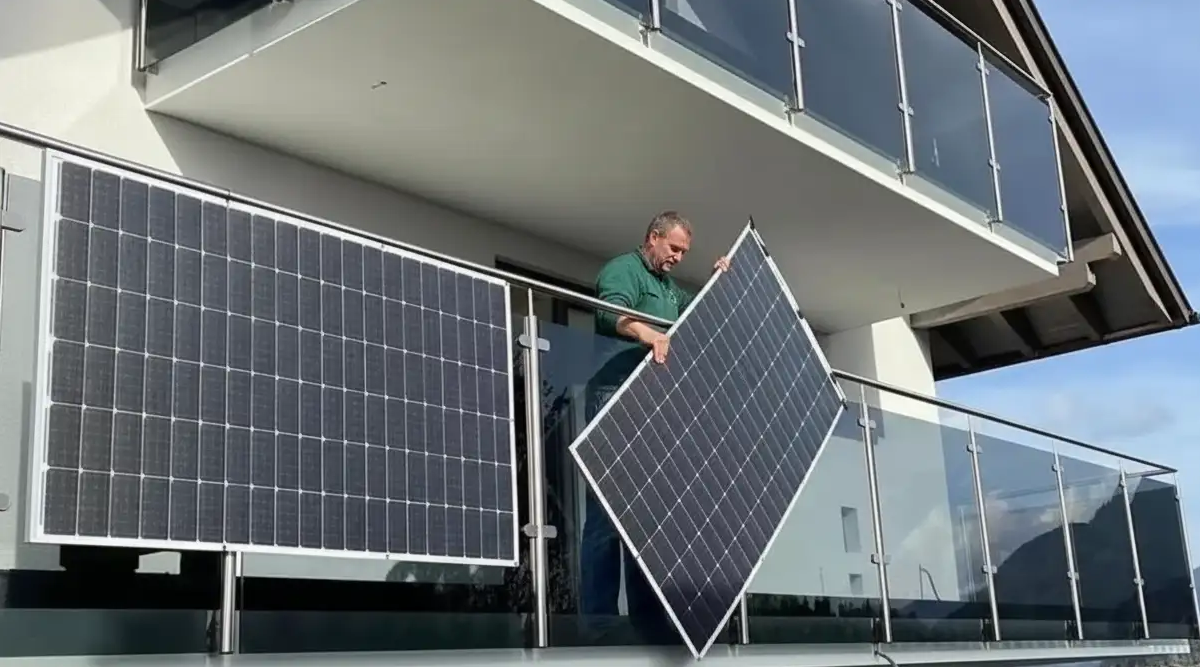
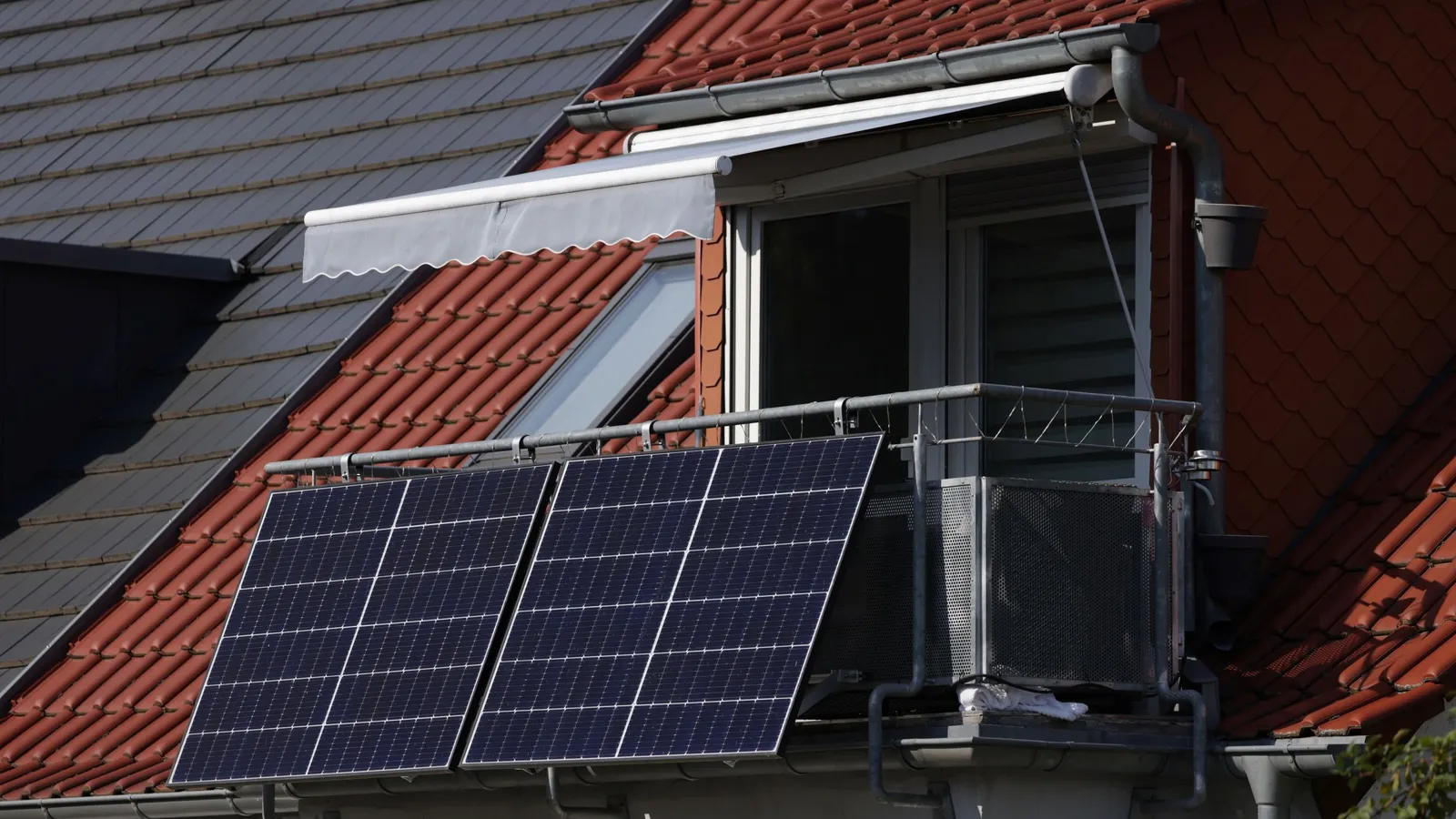
- Utah became the first state to pass plug-in solar legislation in 2023, setting a 1,200-watt cap that has since been adopted by Colorado, Maine, Virginia, and others within months.
- California Senate approved plug-in solar legislation by a 35-1 vote this summer, with similar bills advancing in New York and New Jersey, awaiting gubernatorial signatures.
- CraftStrom CEO Stephan Scherer testified in multiple statehouses, advocating for plug-in solar policies that balance consumer savings of $175–$340 annually with grid and home safety.
- Lawrence Berkeley National Laboratory found in a peer-reviewed study that plug-in solar can defer infrastructure upgrades, with grid impacts similar to utility-scale solar but closer to point of use.
- Germany has over five million plug-in solar installations without incident, but its higher wattage standards don’t translate safely to U.S. electrical systems due to circuit and grid differences.
- Tiered wattage systems are recommended: a 420-watt 'safe harbor' without power control systems (PCS), and higher systems requiring PCS to prevent circuit overloads and comply with NEC standards.
- Export limits of 400 watts are proposed to address utility concerns about reverse power flow and aging infrastructure, ensuring safety for lineworkers and grid reliability.
Why it matters: Without tiered wattage and export limits, plug-in solar laws may create fire risks and grid instability, undermining public and utility support. The 420-watt safe harbor and 400-watt export cap offer a balanced path that protects households and utilities while preserving $340 in annual savings per household.
Ask SkimNews