California legalizes balcony solar systems — SkimNews
Get the Energy newsletter
Daily energy & climate — solar, EVs, oil, the policy fights and tech bets shaping the transition. Free.
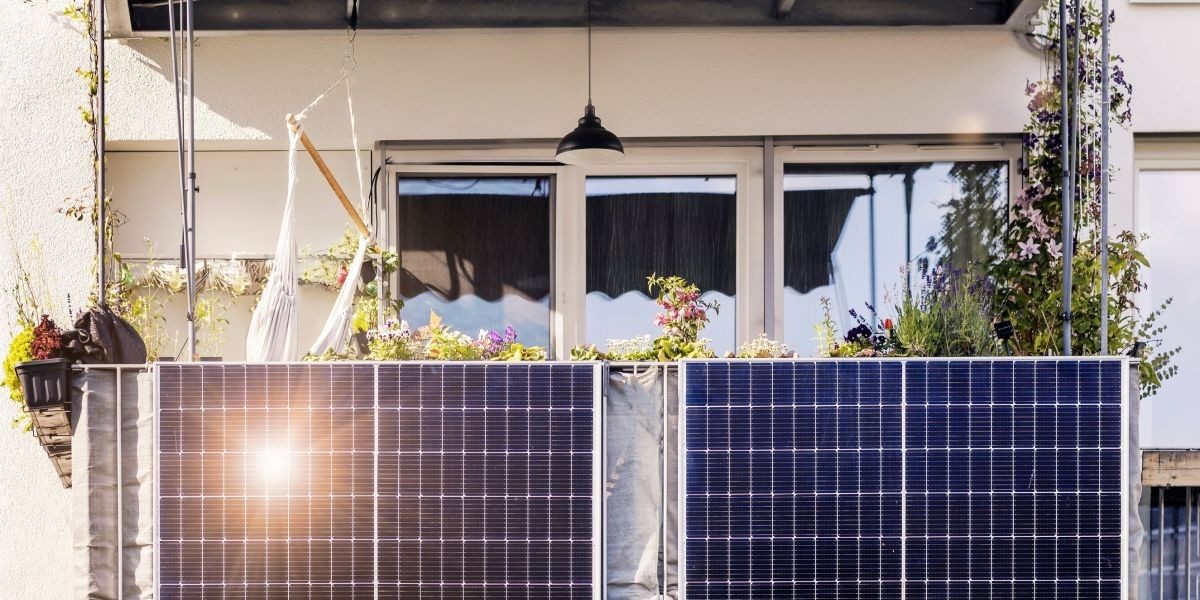
- Governor Gavin Newsom signed legislation on Wednesday making California the latest state to legalize plug-in 'balcony solar,' joining Utah and Maine in allowing residents to generate electricity from smaller, outlet-connected arrays.
- State Senator Scott Wiener, the bill's author, said the law eliminates the biggest barrier to plug-in solar — the requirement to negotiate an interconnection agreement with PG&E or other utilities before installing a system.
- A basic balcony solar setup costs a few hundred dollars, with energy savings typically paying back the investment in around four years, faster in states with higher electricity prices.
- Unlike traditional rooftop solar, plug-in solar reduces the amount of electricity drawn from the grid rather than feeding excess power back, helping ease congestion during peak demand like heat-wave AC use.
- Bernadette Del Chiaro, senior vice president for California at the Environmental Working Group, called the technology a 'twofer' for lowering household energy costs and cutting emissions.
- Amanda Smith, a senior scientist at climate nonprofit Project Drawdown, said California will influence other state markets, calling plug-in solar 'the most affordable way for people to actually participate with solar PV.'
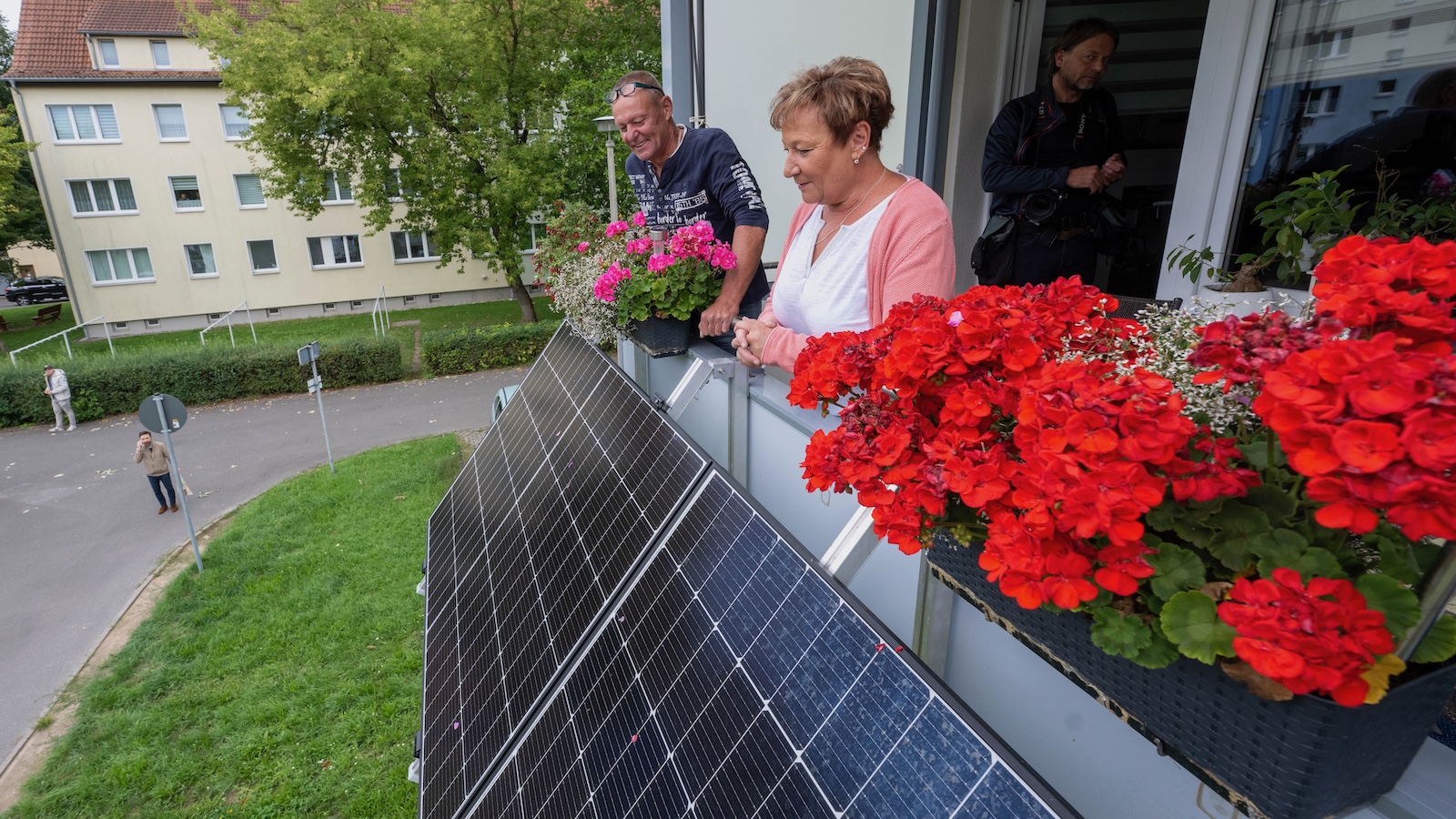
- Germany has already encouraged widespread balcony solar adoption, offering a model the U.S. is now beginning to follow state by state.
Why it matters: California's law removes the biggest bureaucratic barrier to plug-in solar — utility interconnection agreements — for a technology that costs a few hundred dollars and pays for itself in roughly four years. It opens rooftop-solar-style savings to renters and apartment dwellers, and Project Drawdown's Smith expects other states to follow California's lead.
Ask SkimNews