California legalizes plug-in balcony solar — SkimNews
Get the Energy newsletter
Daily energy & climate — solar, EVs, oil, the policy fights and tech bets shaping the transition. Free.
- Governor Gavin Newsom signed three home energy bills on September 30, including SB 868 (Plug and Play Solar Act), SB 913 (Clean Local Power Act), and SB 905, expanding consumer solar access and grid efficiency in California.
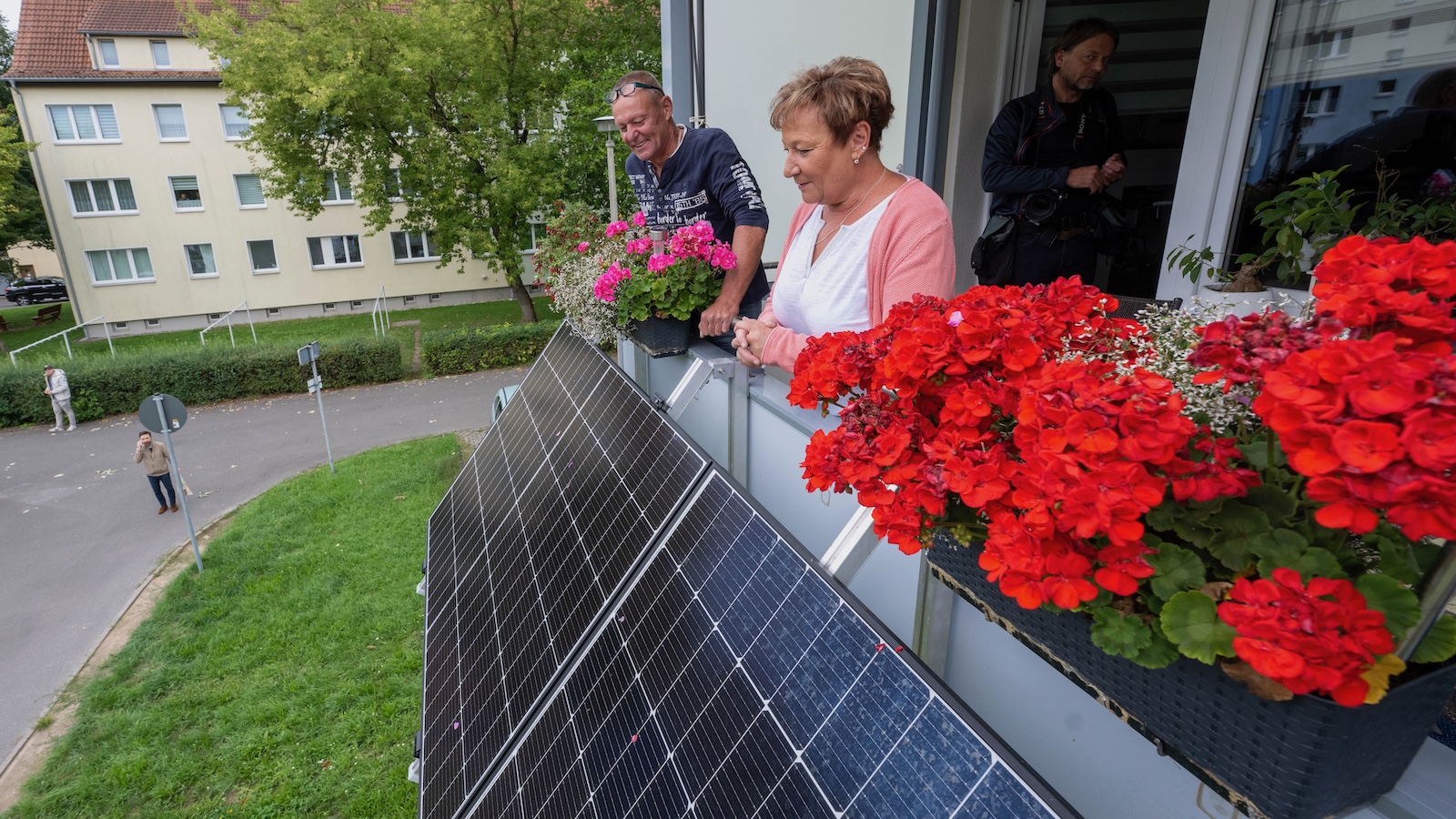
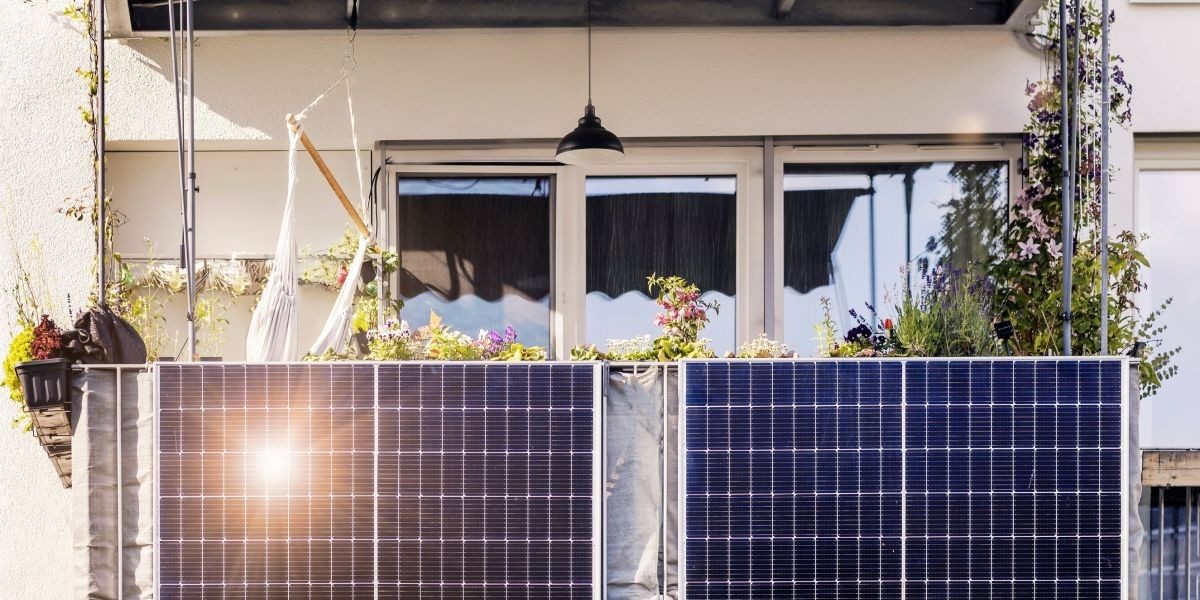
- SB 868, the Plug and Play Solar Act authored by state Senator Scott Wiener, legalizes balcony solar systems up to 1,200 watts AC per household that plug into standard 120v outlets, and bars utilities from requiring interconnection agreements, advance approval, or device-related fees (those exemptions expire January 1, 2030).
- Qualifying plug-in systems must be certified by Underwriters Laboratories or an equivalent testing lab, comply with electrical codes, and include anti-islanding protection to prevent feeding electricity into the grid during an outage.
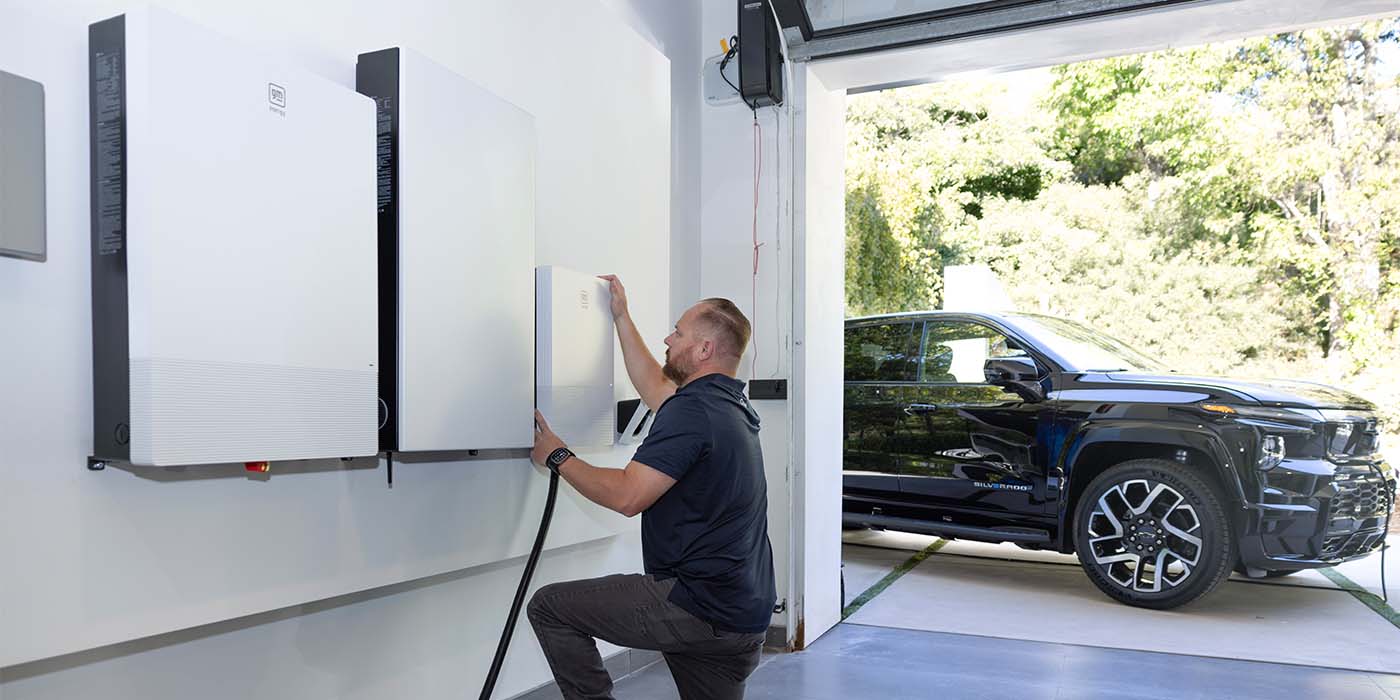
- SB 913, the Clean Local Power Act by state Senator Josh Becker, directs California regulators to improve pathways for virtual power plants—coordinated home batteries, EVs, and smart thermostats—to count toward utilities' reliability requirements, with a compliance deadline of June 30, 2028.
- SB 905 requires large investor-owned utilities to publish data on local grid usage, capacity, and congestion, and to assess whether batteries or shifting demand to off-peak hours could replace traditional infrastructure upgrades, while also directing regulators to consider lower shareholder returns on certain utility investments.
- Kat Lockwood, CEO of The Climate Center, said the laws "provide relief for Californians struggling with high utility bills" and "create a foundation for climate action and affordability that our next governor can build on."
Why it matters: Renters and apartment dwellers—previously shut out of home solar—now have a low-friction path to generate up to 1,200 watts from a plug-in balcony system, with utilities stripped of approval and fee authority until 2030. The companion virtual power plant and grid transparency laws simultaneously force utilities to compete with home batteries and EVs for reliability obligations, potentially lowering bills for millions of Californians.
Ask SkimNews