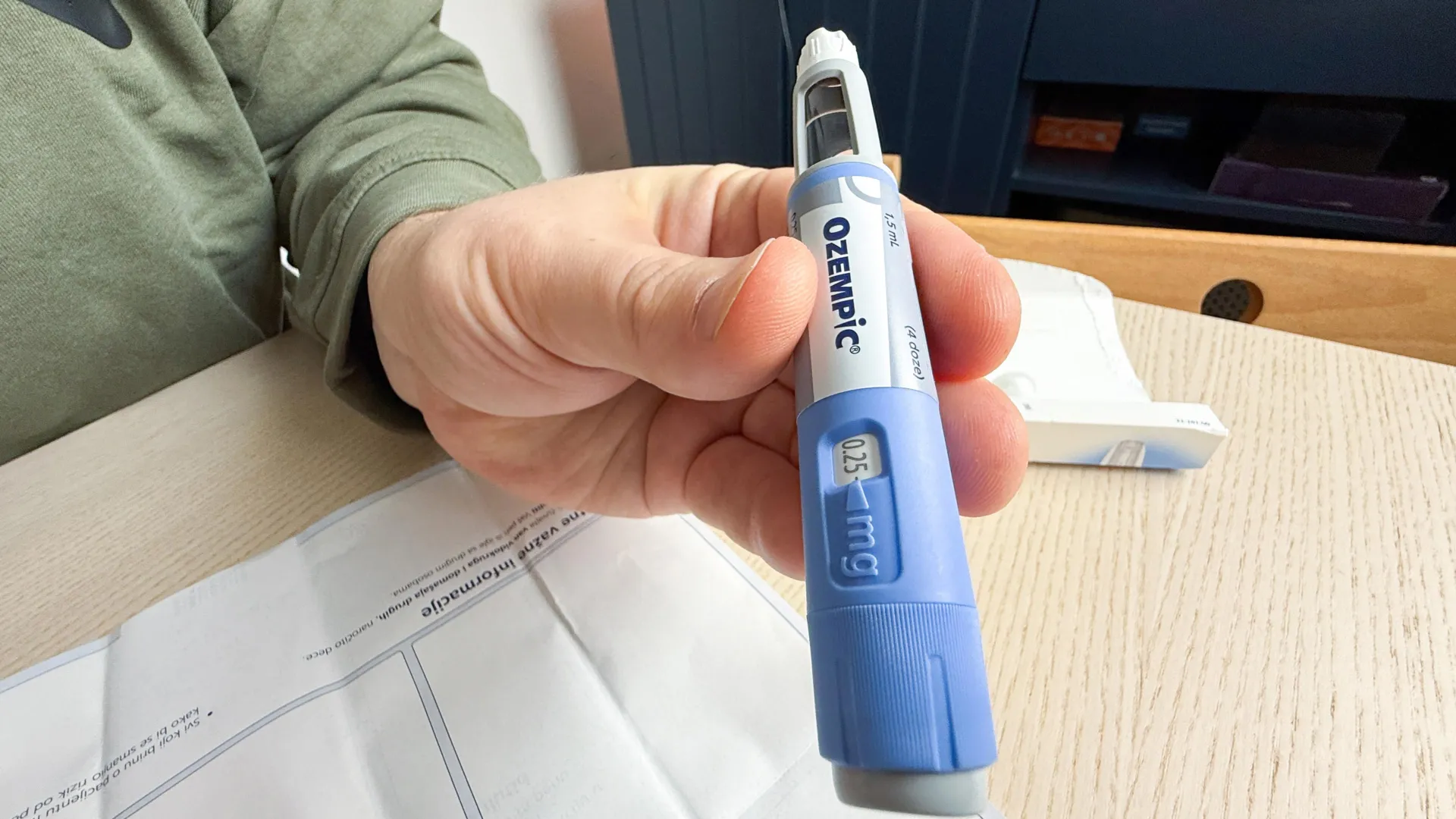
Ozempic can change your body. Can it change your life? — SkimNews
Get the Health newsletter
Daily health & science — research, biotech, public health, the studies worth knowing. Free.
- Robert Kaestner and Cuiping Schiman, University of Chicago Harris School of Public Policy economists, published a National Bureau of Economic Research working paper examining whether GLP-1 medications produce life improvements beyond physical health among adults with diabetes.
- The researchers analyzed more than 10 years of Medical Expenditure Panel Survey data spanning 2012 to 2023, following the same individuals over time rather than only comparing GLP-1 users with non-users.
- The study found little evidence that GLP-1 medications produced measurable changes in depression symptoms, psychological distress, self-rated health, employment, or marital status — results that held at both roughly one year and two years of follow-up.
- Initial gaps between GLP-1 users and non-users in employment and marriage mostly disappeared when researchers tracked within-person changes over time, suggesting pre-existing differences between user groups rather than effects caused by the medications.
- Kaestner acknowledged the study's measures — employment status, marital status, standard mental health indicators — may not capture subtler effects such as changes in self-esteem or relationship quality.
- The findings do not challenge the established medical value of GLP-1 medications for diabetes, including improved glycemic control, weight loss, and cardiovascular health, which remain the clearest measurable benefits.
Why it matters: As insurers and government programs weigh whether to broaden coverage of GLP-1 medications, the study suggests the case for expanded access rests on direct medical outcomes — glycemic control, weight loss, cardiovascular health — rather than on broader social or economic gains that could otherwise strengthen the argument for wider reimbursement.
Ask SkimNews