US Depleted Long-Range Missiles in Iran War — SkimNews
Get the Geopolitics newsletter
Daily geopolitics — wars, elections, sanctions, the diplomatic moves that move markets. Free.
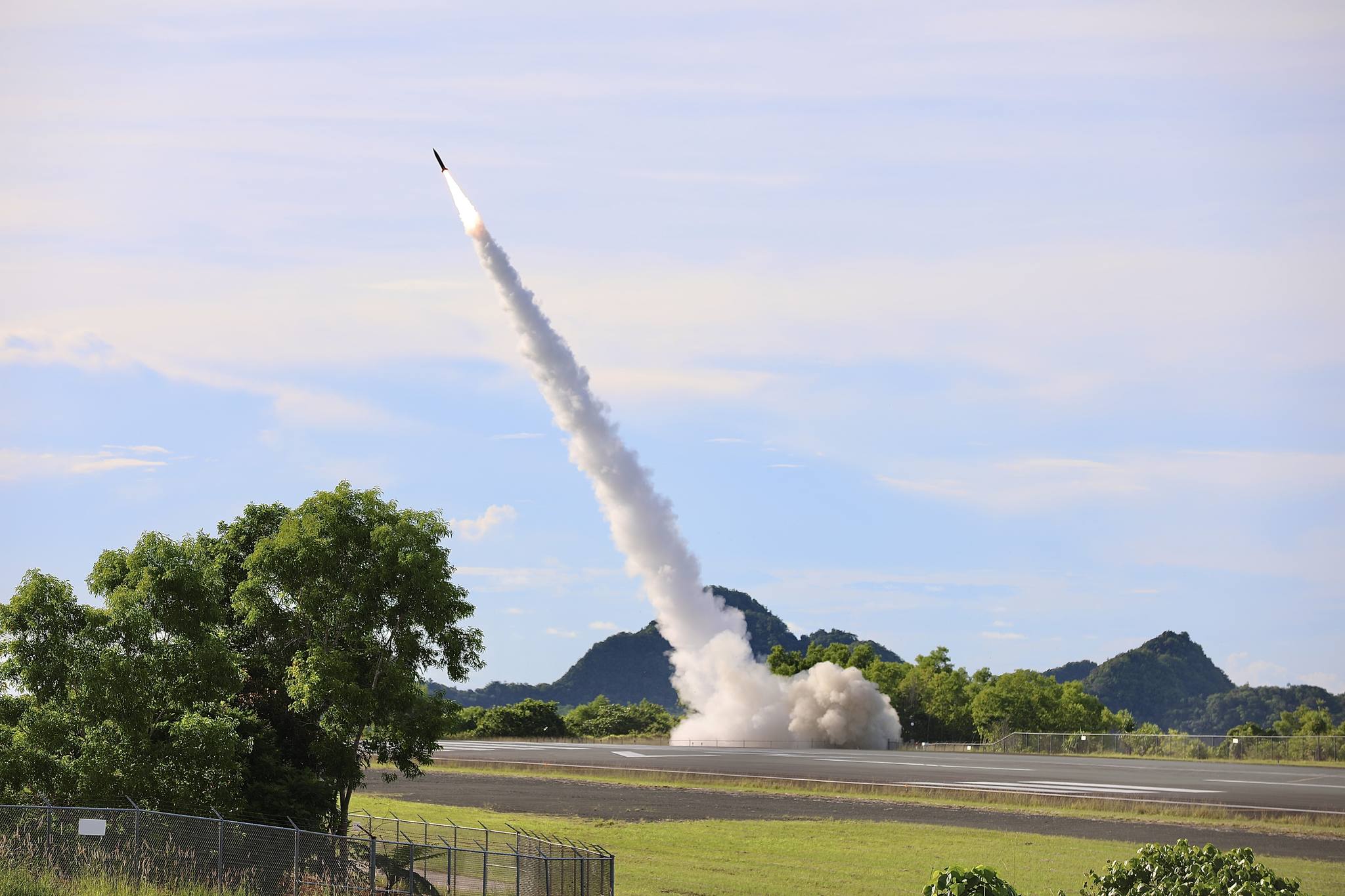
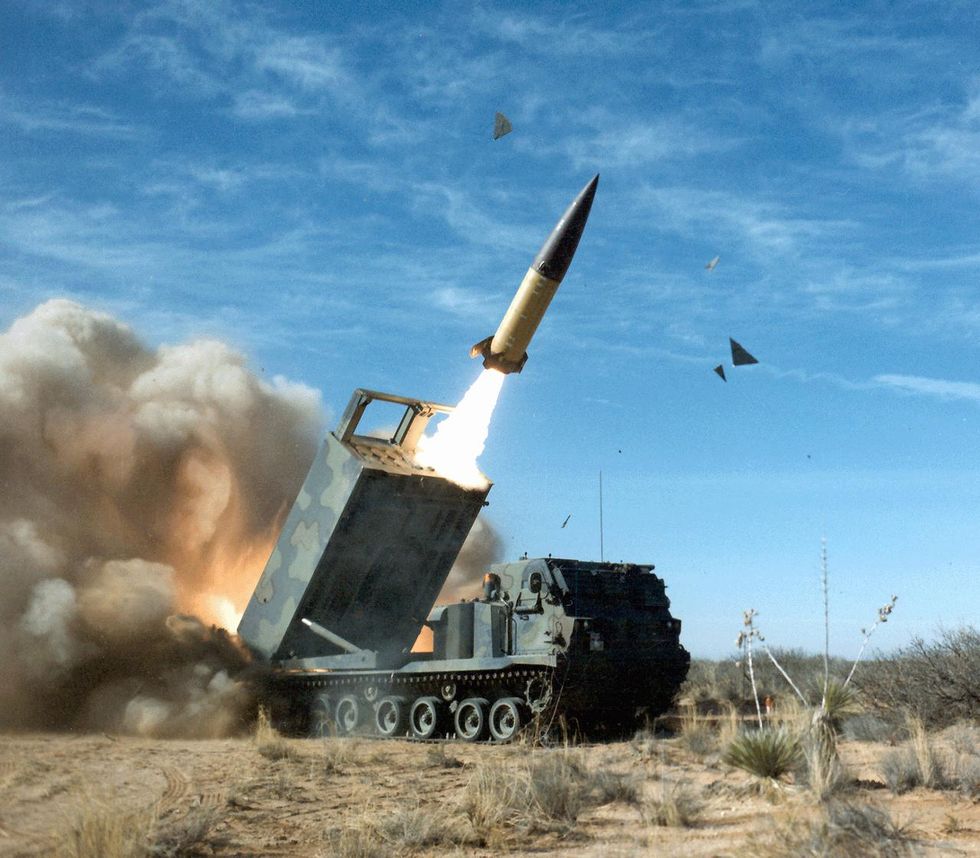
- US Army has used 'virtually all' of its ATACMS and Precision Strike Missiles (PrSM) stockpiles during the five-month war with Iran — a drawdown never previously reported, according to three sources familiar with the data.
- The depletion extends to defensive systems: a CSIS report estimates about 65% of Patriot interceptors were expended between February and July, and THAAD ballistic missile interceptors are at least 38% lower than at the start of the war — figures matched by internal US data, two sources said.
- US-supplied ATACMS have simultaneously played a key role in Ukraine's war, enabling strikes inside Russia, complicating any calculus around conservation.
- The stockpile warnings influenced Trump's decision last week not to launch another massive offensive inside Iran, though one official disputed that account, citing pressure from Gulf states instead.
- Trump publicly pushed back, saying the US has 'far more munitions than anyone in the world' and that defense companies are producing at record levels; Pentagon spokesperson Sean Parnell said the military has 'everything it needs.'
- Rebuilding won't happen fast: Raytheon has reached a tentative multi-year agreement to boost Tomahawk production, while the Army has ordered large numbers of PrSMs for 2027 delivery — timelines that won't close near-term gaps.
- The US also burned through a little less than half of its global Tomahawk cruise missile supply since the war began, according to one source.
Why it matters: The US now faces a direct tradeoff between continuing large-scale strikes against Iran and preserving munitions for potential conflicts with Russia or China. With Patriot interceptors down 65% and THAADs down 38%, and PrSM production not ramping until 2027, the military's ability to deter peer adversaries is being actively drawn down in a secondary theater.
Ask SkimNews