NHTSA Probes Fatal Tesla Autopilot Crash Into Texas — SkimNews
Get the Energy newsletter
Daily energy & climate — solar, EVs, oil, the policy fights and tech bets shaping the transition. Free.
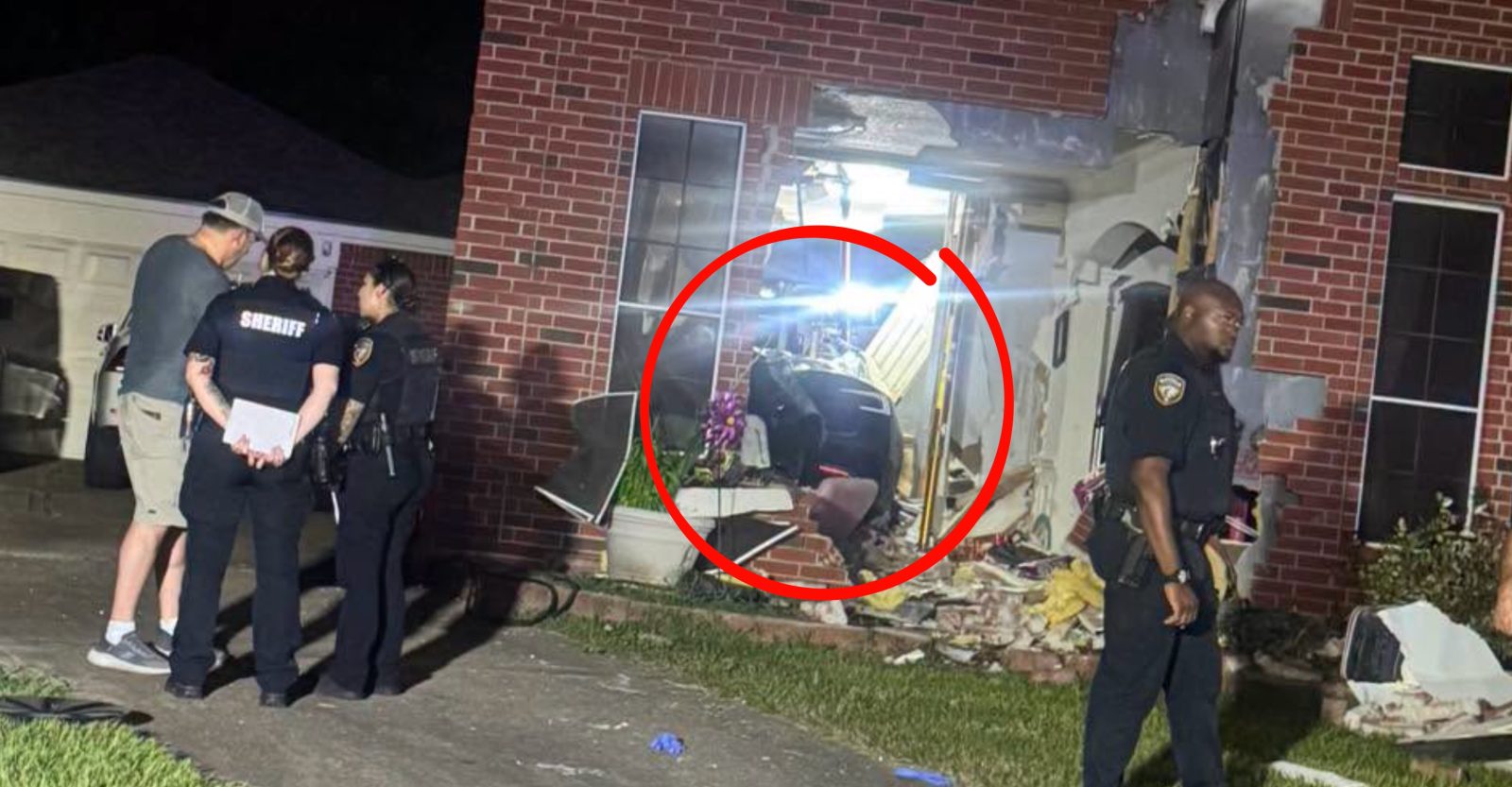
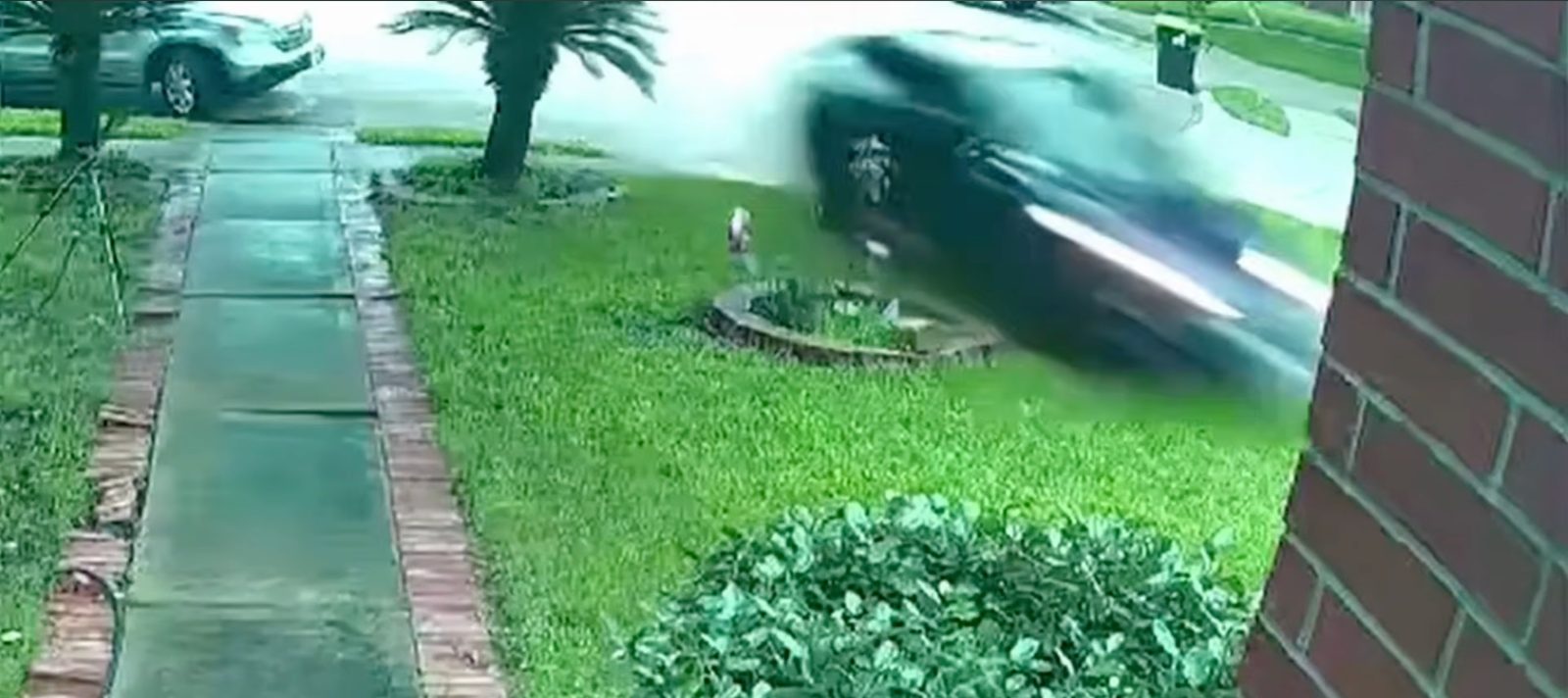
- NHTSA opened a federal probe into a June 20 crash in Katy, Texas, where a Tesla Model 3 left a residential road, tore through a brick home, and killed 76-year-old Martha Avila Mantilla as she stood in her family's front room.
- Michael Butler, 44, told Harris County deputies his vehicle was on Autopilot at impact, showed no signs of intoxication, and was cooperating with investigators; no charges had been filed as of Sunday, and the Autopilot claim has not been independently confirmed.
- Surveillance video obtained by local outlets shows the Model 3 accelerating down Rose Hollow Lane at an estimated 60–70 mph, missing a turn, striking a curb, and plowing through the two-story brick facade.
- Tesla has reportedly admitted (per cross-coverage headline) that FSD was engaged in the crash and is blaming Butler for "overriding" the system — a key angle the main article's body does not surface.
- The Avila Mantilla family — two parents and three young children — is in temporary housing after the home was rendered uninhabitable; a GoFundMe has been set up.
- NHTSA upgraded its Tesla FSD investigation to an Engineering Analysis in March, covering roughly 3.2 million vehicles including 2017–2026 Model 3s — the final procedural step before the agency can demand a recall.
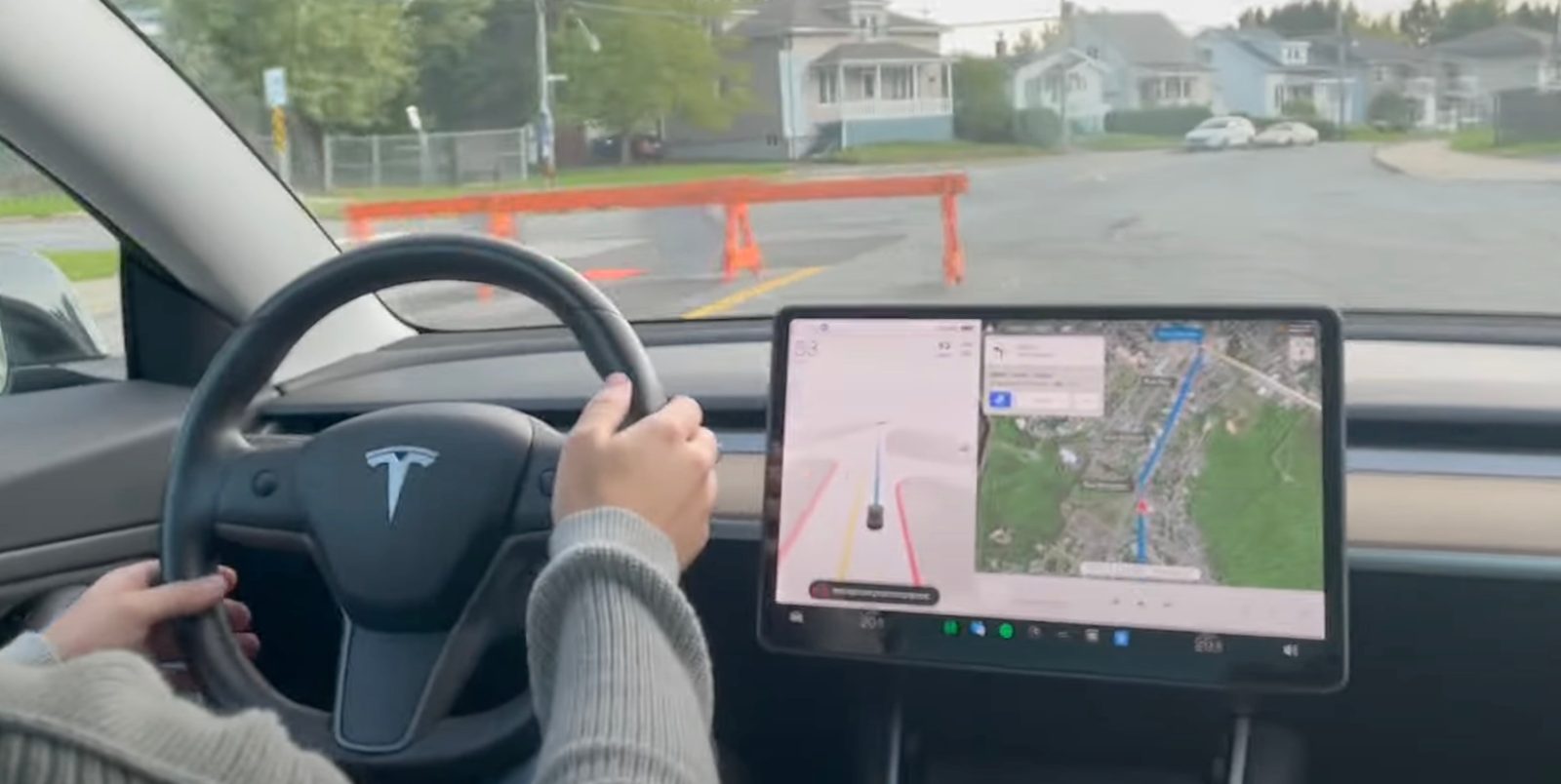
- Tesla discontinued the "Autopilot" name for new vehicles in January 2026 after a California ruling forced it to drop the marketing; both Autopilot and FSD (Supervised) are Level 2 systems that require an attentive driver at all times.
Why it matters: A fatality is now attached to the federal record during NHTSA's active Engineering Analysis of roughly 3.2 million Tesla vehicles — the final step before a possible recall. Tesla's reported admission that FSD was on while blaming Butler sharpens both the driver's criminal exposure and Tesla's broader liability for how its driver-assistance systems are marketed and monitored.
Ask SkimNews