Study: Crops Absorb Pharmaceuticals, Microplastics, PFAS — SkimNews

Get the Health newsletter
Daily health & science — research, biotech, public health, the studies worth knowing. Free.
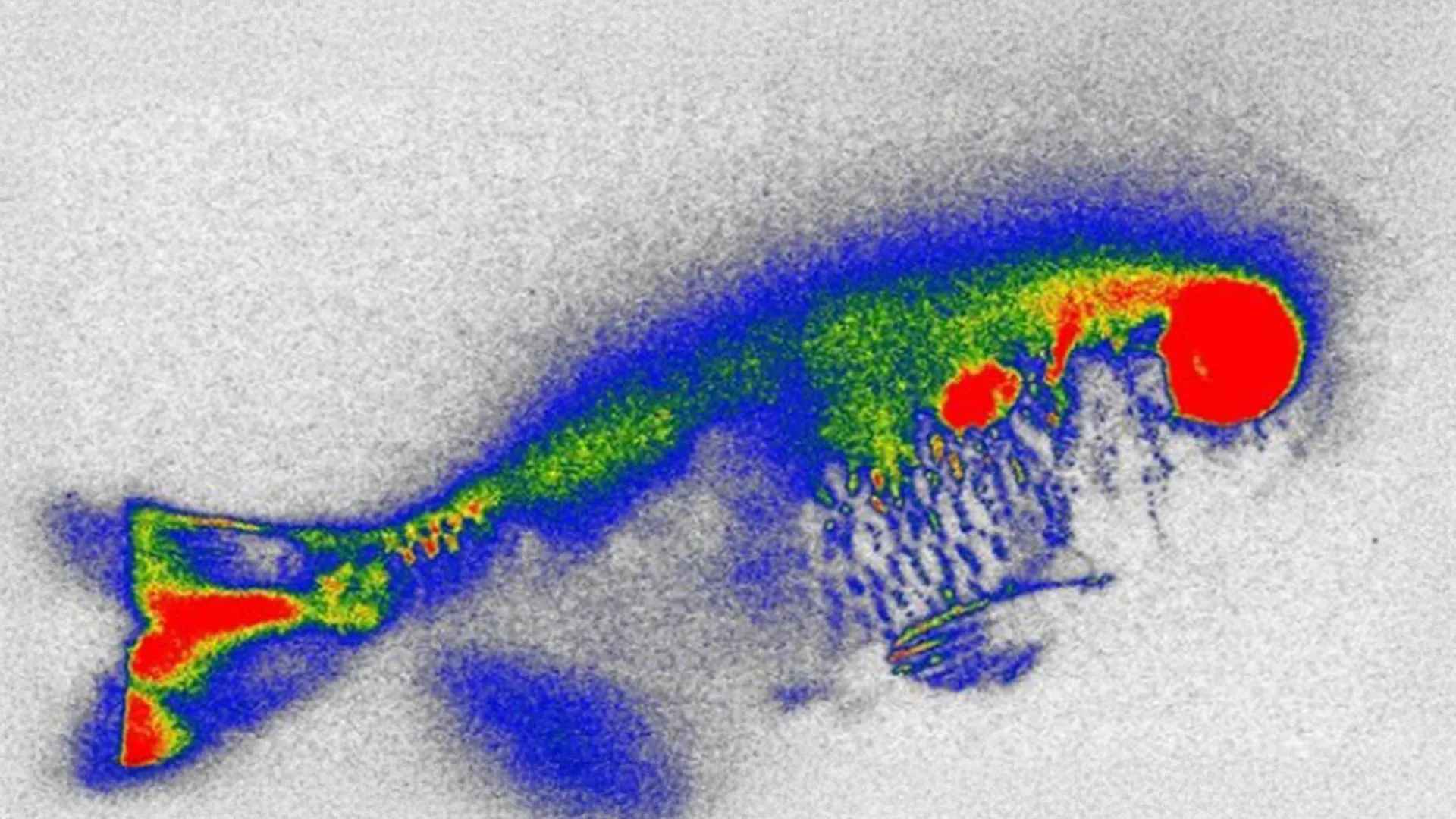
- International research team led by Laura J. Carter synthesized hundreds of laboratory, greenhouse, and field experiments to assess how pharmaceuticals, microplastics, engineered nanomaterials, and PFAS move through soils and into edible crops.
- The study found that contaminants enter agricultural soils via pathways such as wastewater irrigation, biosolids, manure, and agroplastics, which are often used to promote sustainable farming.
- Researchers reported that trace levels of these contaminants remain biologically active, affecting plant hormone pathways, microbial communities, nutrient cycling, and can drive antimicrobial resistance.
- PFAS were identified as especially prone to bioaccumulation in leaf tissues, raising concerns about food quality and human exposure.
- The authors highlighted overlooked issues, including co‑contaminant interactions, foliar exposure routes, and global data gaps in crop‑specific risk assessments.
- The review calls for new regulatory frameworks that consider chemical mixtures, realistic exposure scenarios, and the role of contaminants in antimicrobial resistance, as well as long‑term field monitoring and development of degradable alternatives.
Why it matters: The study equips regulators and policymakers with concrete evidence to tighten standards on agricultural inputs, compelling growers to adopt safer practices and monitor residues, while consumers stand to gain reduced exposure to persistent toxins that can affect food safety and health.
Ask SkimNews