US Sub Sinks Iranian Frigate Days After India Naval Gala — SkimNews
Get the Geopolitics newsletter
Daily geopolitics — wars, elections, sanctions, the diplomatic moves that move markets. Free.
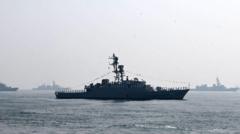
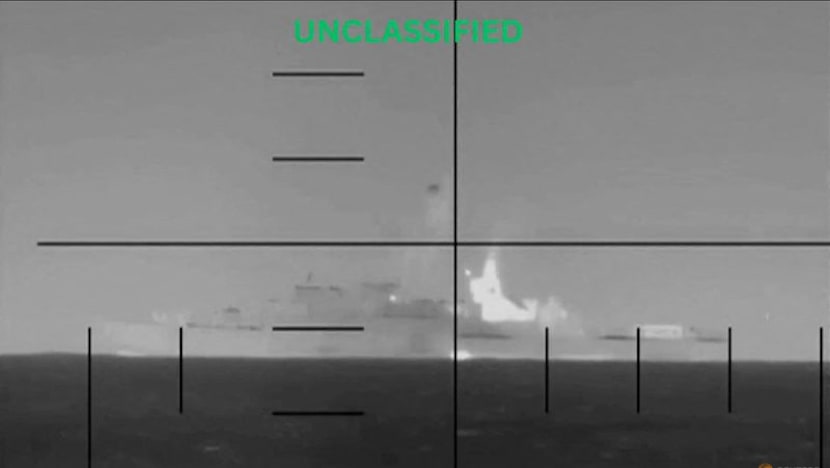
- US submarine torpedoed the Iranian warship Iris Dena off Sri Lanka's southern coast on 4 March, killing at least 87 of 130 sailors; only 32 survived, with the ship sinking within two to three minutes after a single Mark-48 torpedo strike (carrying roughly 650 pounds of high explosive) from 3–4km away at around 05:30 local time.
- The Iris Dena had been a diplomatic guest at India's International Fleet Review 2026 and Exercise Milan in Visakhapatnam as recently as 17 February — 74 countries and 18 warships participated in the events, which Delhi framed as a demonstration of its ambition to be the Indian Ocean's "preferred security partner."
- US Defence Secretary Pete Hegseth said the vessel "thought it was safe in international waters" but instead "died a quiet death," with the warship operating about 20 nautical miles west of Galle in Sri Lanka's designated search-and-rescue zone when struck.
- Strategic affairs expert Brahma Chellaney called the strike a "strategic embarrassment" for Delhi, arguing that by sinking a vessel returning from an Indian-hosted exercise, "American hard power has punctured India's carefully cultivated soft power" as the regional security partner.
- PM Narendra Modi has neither addressed the sinking directly nor criticised the American strike, calling broadly for "dialogue and diplomacy" — External Affairs Minister Jaishankar spoke by phone with Iran's Foreign Minister Araghchi, who described the attack as "an atrocity at sea."
- Fighting between the US and Iran had been under way since 28 February, with claims that 17 Iranian naval vessels had already been destroyed; the Dena was a Moudge-class frigate commissioned in 2021, part of Iran's Southern Fleet that patrols the Strait of Hormuz and Gulf of Oman.
- Sri Lanka's navy began rescue operations first, with the Indian Navy later deploying a long-range maritime patrol aircraft and dispatching a vessel from Kochi to continue combing the waters for survivors and debris.
Why it matters: The sinking exposes India's precarious balancing act between deepening defence ties with Washington and longstanding political and economic ties with Tehran. With at least 87 dead from a ship India itself hosted as a diplomatic guest two weeks earlier, Delhi's studied silence — no condolence, no criticism — risks undermining its carefully cultivated image as the Indian Ocean's self-styled "preferred security partner" at a moment when the war's geography is spreading to India's own maritime neighbourhood.
Ask SkimNews