US Blockade Accelerates Iran's Hormuz Strategy, Experts Warn — SkimNews

Get the Geopolitics newsletter
Daily geopolitics — wars, elections, sanctions, the diplomatic moves that move markets. Free.
- Iran has effectively closed the 22-mile-wide Strait of Hormuz since joint U.S.-Israeli attacks began more than 50 days ago, a corridor that typically facilitates about 20% of world energy trade.
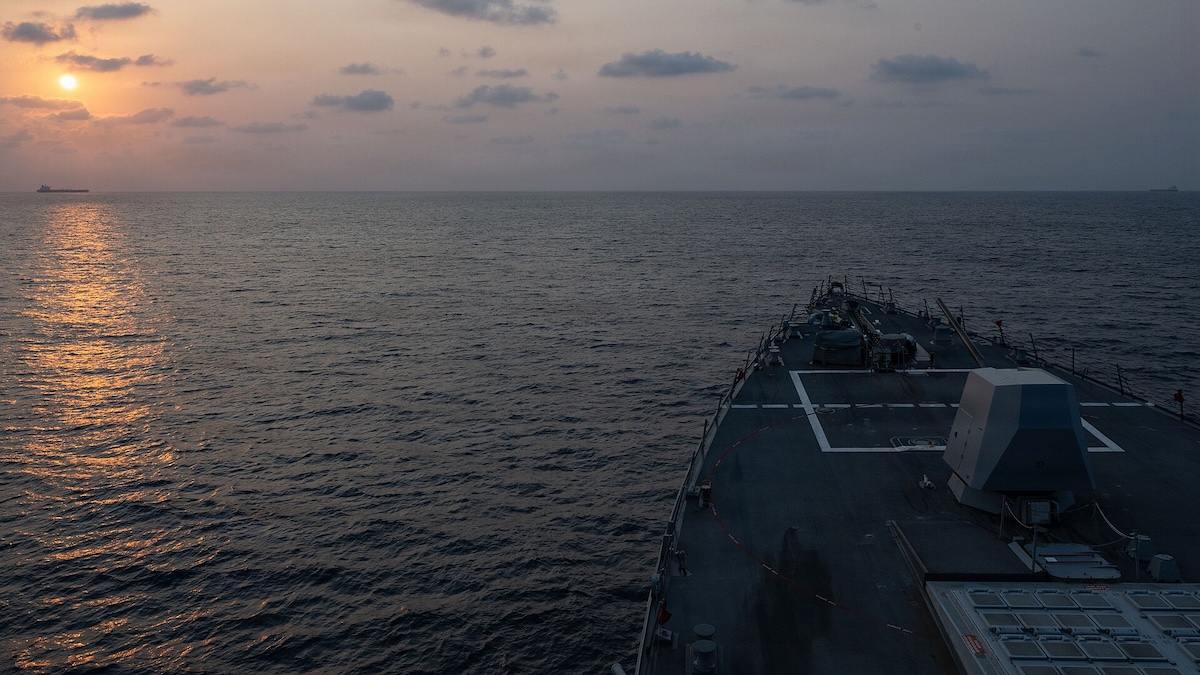
- Trump delayed renewed strikes on Iran and unilaterally extended a 14-day ceasefire indefinitely, but is maintaining the U.S. naval blockade of all maritime traffic entering and exiting Iranian ports.
- Alam Saleh, a senior lecturer at the Australian National University, said the blockade is playing into Iran's hands — 'If Iran stops others' oil and if the United States stops Iran's oil, that means the Strait is fully closed thanks to both the United States and Iran.'
- Jim Krane of Rice University's Baker Institute said Iran has now demonstrated it can 'basically take the global economy hostage,' giving Tehran a strong deterrent against future U.S. attacks.
- Iran briefly said it would reopen the strait following a Lebanon-Israel truce, then reversed the decision hours later, saying it would remain closed until the U.S. blockade ends.
- The IRGC navy warned that 'approaching the Strait of Hormuz will be considered co-operation with the enemy, and the offending vessel will be targeted.'
- Saleh warned the U.S. blockade could complicate Trump's trade agenda with China, which imports roughly 90% of Iran's crude oil, while more than two dozen Iranian-linked tankers have already skirted the blockade.
Why it matters: The U.S. naval blockade was meant to pressure Tehran, but analysts in the piece say it is instead helping Iran choke the Strait of Hormuz faster — driving up energy costs that have already pushed the Philippines to declare a national emergency and triggered jet fuel shortages across Europe. With China absorbing roughly 90% of Iran's crude and dozens of tankers already slipping through, the policy is creating a second-order headache for Trump's own trade diplomacy with Beijing.
Ask SkimNews