House passes Russia bill allowing 100% tariffs on India — SkimNews

Get the Geopolitics newsletter
Daily geopolitics — wars, elections, sanctions, the diplomatic moves that move markets. Free.
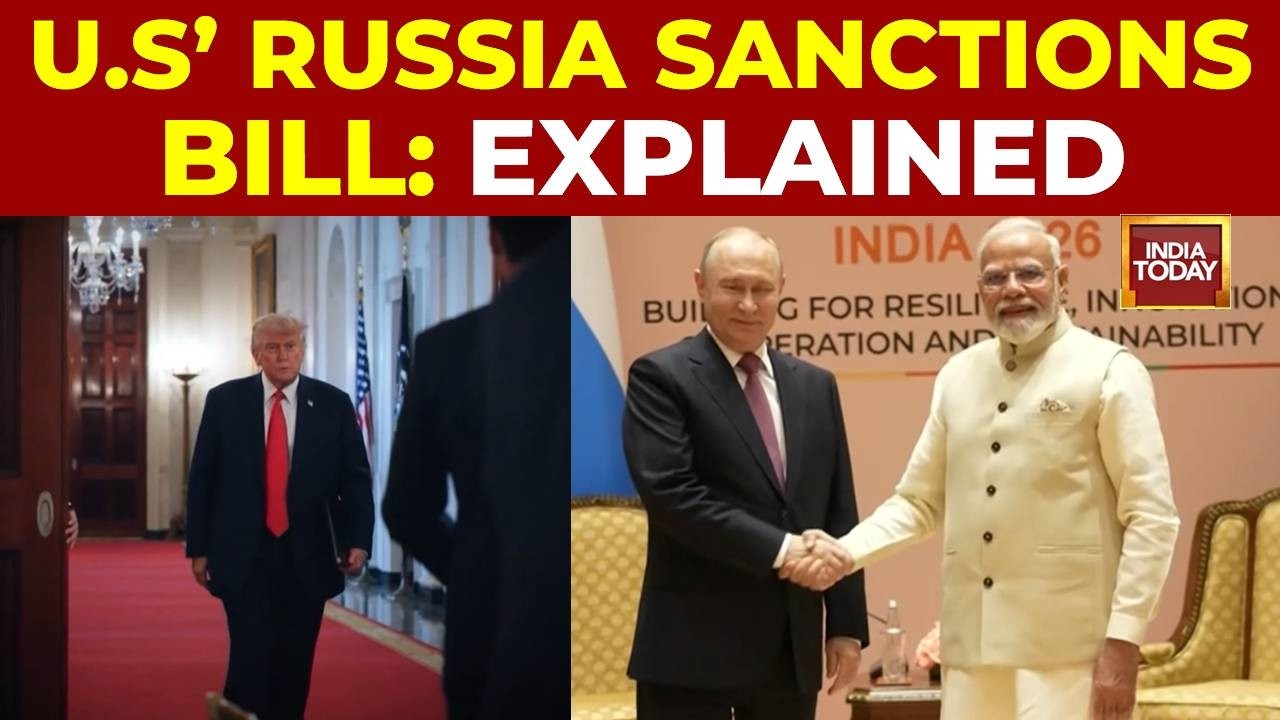
- U.S. House of Representatives passed the legislation 262-159 on September 16, 2026, authorizing the President to impose tariffs up to 100% on countries, including India, that purchase Russian crude oil or natural gas, while also targeting Russia's energy sector, individuals, and "shadow fleet" of tankers.
- The bill targets the top five largest importers of Russian crude or natural gas that knowingly make new purchases 30 days after enactment, plus countries facilitating sanctions evasion; nations whose gas imports are under 15% of Russia's total exports are exempt, and the President retains authority to waive sanctions in national interest.
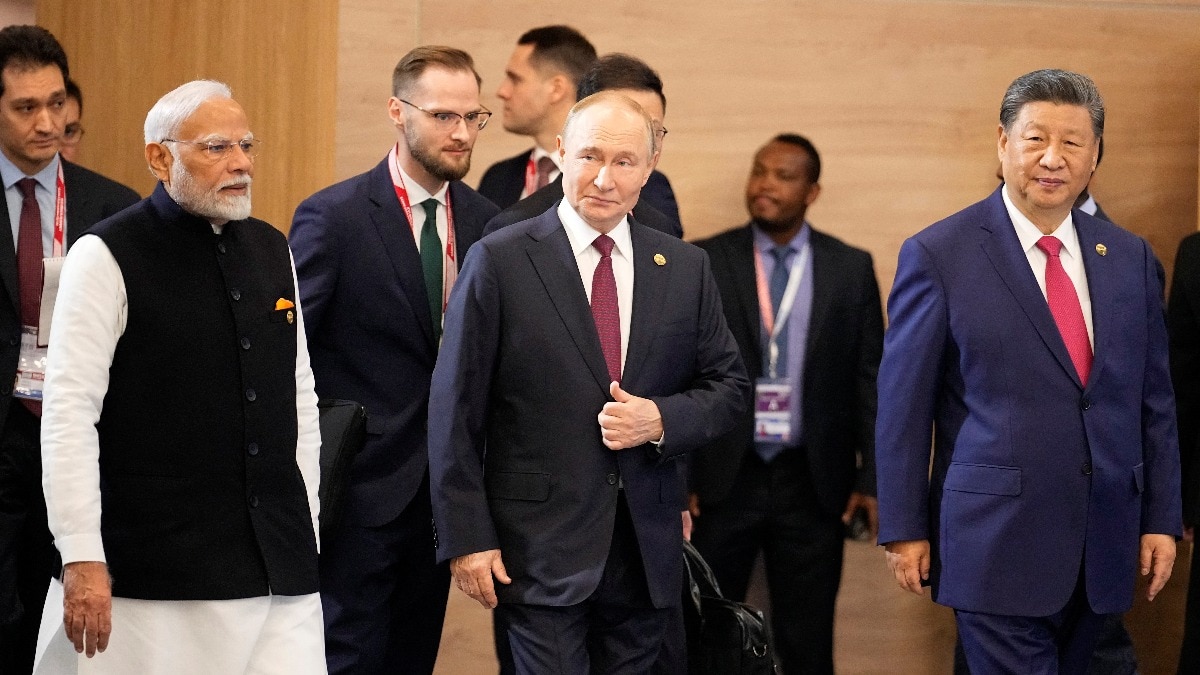
- Senator Richard Blumenthal (Connecticut Democrat) directly warned China and India after the vote: "You better clean up your act. Buy your oil and gas somewhere else. Appeasement is not a strategy."
- The legislation, an amendment to the Senate's "Lindsey O. Graham Sanctioning Russia and Iran Act of 2026" — named for Graham, who died July 11, 2026 — passed the Senate 86-11 on August 7 and now heads to Trump's desk.
- India's Russian oil imports hit an 11-month high in April 2026 following the U.S.-Israel war with Iran, after dropping to a 38-month low in December 2025; the Trump administration had already added 25% tariffs on top of an existing 25% on India for Russian energy purchases, and the U.S. Treasury had paused sanctions on in-transit oil shipments due to supply disruptions from the U.S.-Iran conflict.
- Ranking Democrat Gregory Meeks (House Foreign Affairs Committee) opposed the bill, arguing Trump already has powers to sanction Russia but isn't using them, and warning it would cost at least $3,000 per American family if tariffs were restricted to the top five importers of Russian oil.
- A proposed amendment by Democrat Steny Hoyer to publicly name the top 10 importers — China, India, Turkiye, Azerbaijan, Hungary, Slovakia, the UAE, and the Kyrgyz Republic — did not pass into the final version considered Wednesday.
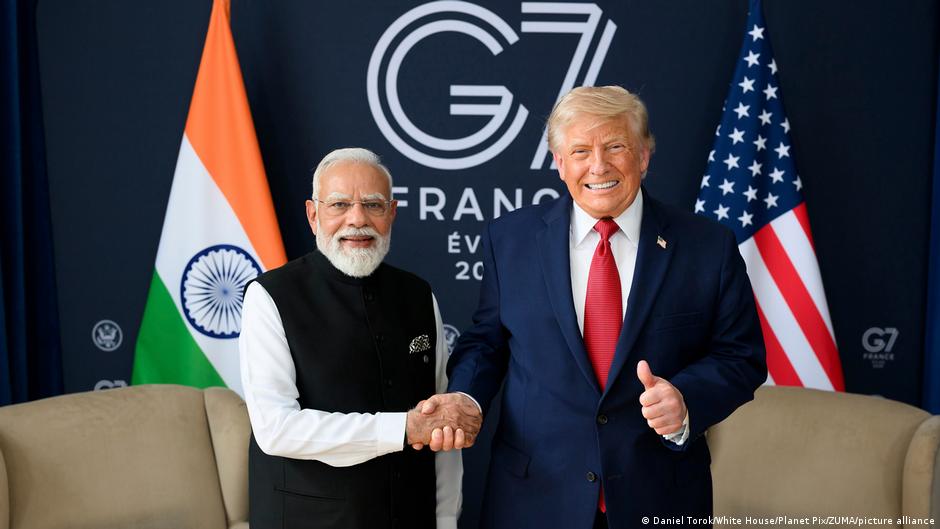
Why it matters: The bill hands Trump sweeping tariff authority over U.S. allies like India and the EU — the same power Democrats warn he would "abuse," with Gregory Meeks estimating a $3,000-per-family cost if fully exercised against the top five Russian oil importers. India, currently negotiating a preliminary trade deal with Washington, became a top Russian oil buyer partly because the U.S.-Iran war disrupted supplies, putting New Delhi in the crosshairs of both trade and energy sanctions simultaneously.
Ask SkimNews