Air Power Can't Topple Iran's Regime — SkimNews
Get the Geopolitics newsletter
Daily geopolitics — wars, elections, sanctions, the diplomatic moves that move markets. Free.
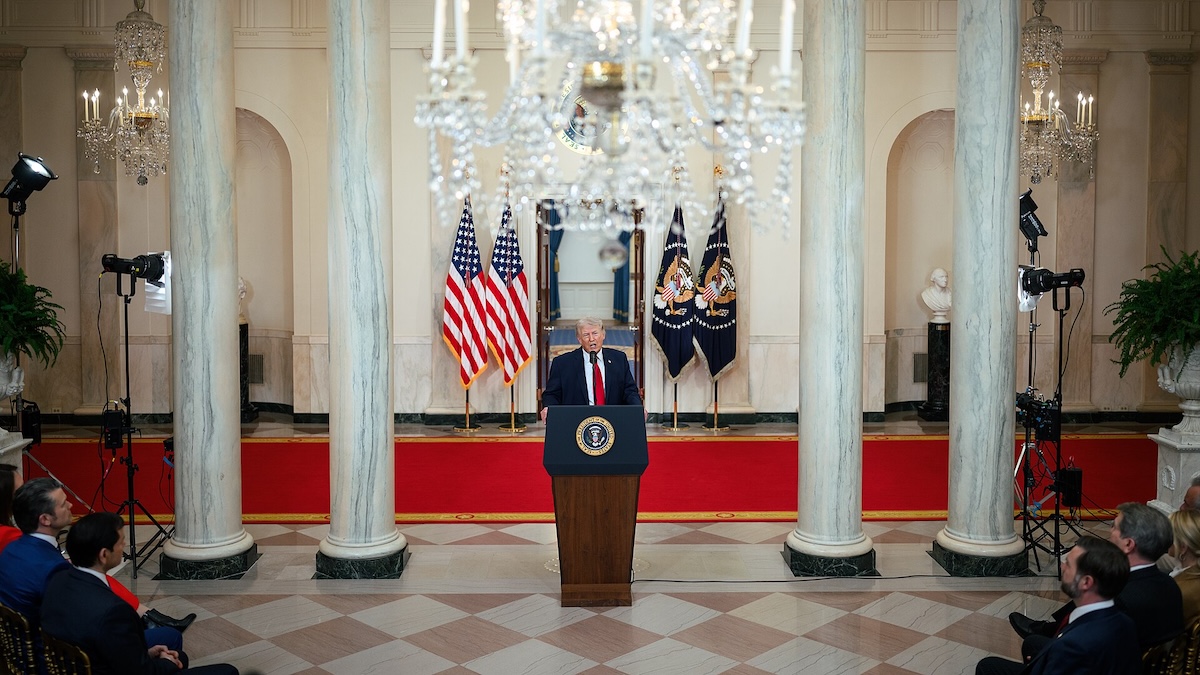
- Trump told Iranians early in the war to "take over your government," then claimed in his April 1 national address that "Regime change was not our goal" — while also asserting "regime change has occurred because of all of their original leaders' death," which the author notes is not how regimes work
- Iran's Islamic Revolutionary Guard Corps and Basij are volunteer, ideologically committed forces with a documented history of brutal domestic repression — including the 1999 student protests and the 2009 Green Movement — making security force defection, the precondition for a successful popular uprising, unlikely
- The author argues popular uprisings function like combustion: protests are the fuel, but security force defections are the oxidizer, and neither the US nor Israel has articulated any causal link from their air campaign to those defections
- Iran is a highly institutionalized autocracy rather than a personalist regime like Qadhafi's Libya, so killing leaders leaves the political order intact — the same rules govern how new leaders are chosen and what choices they make
- Both the US and Israel have ruled out supporting an insurgency after briefly considering a Kurdish incursion, leaving unarmed popular uprising as the only theoretical pathway to regime change
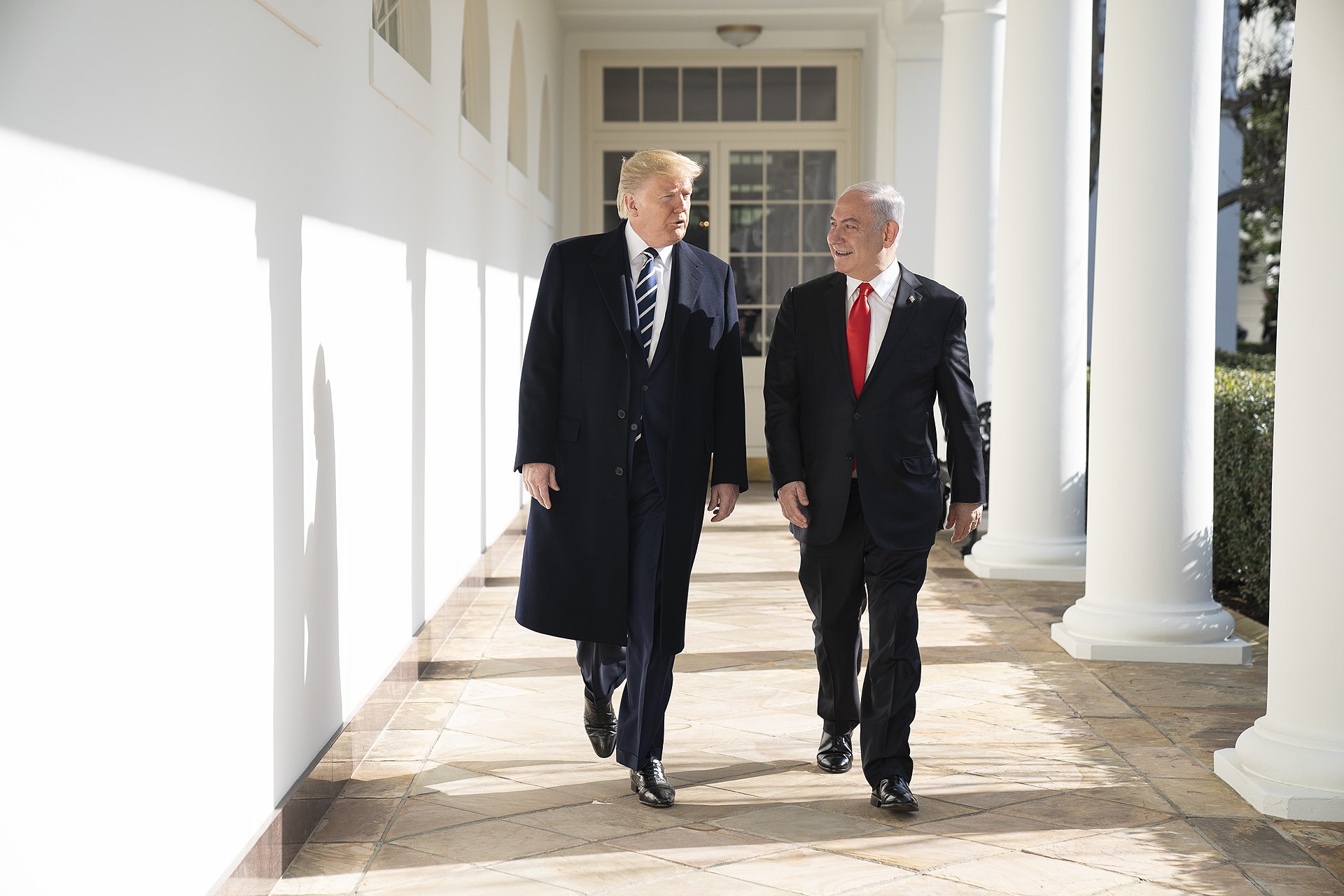
- Netanyahu continues publicly calling for the Iranian people to seize power, suggesting regime change remains part of Israel's strategic framing even as Trump's public rhetoric has shifted
- Historical precedents cited — Egypt 2011, Georgia 2003, Tunisia 2011, Bangladesh 2024 — all involved armed forces that ultimately sided with protesters or stepped aside, a dynamic absent in Iran where domestic security is the military's core mission
Why it matters: The article frames the war's stated endgame as structurally detached from the military means being employed: the IRGC's institutional cohesion and repression track record make it the oxidizer that won't ignite, meaning prolonged conflict or negotiated stalemate is more likely than a Tehran street revolution. The US and Israel must either lower their stated aims or develop a mechanism — like targeted defection campaigns — that the campaign currently shows no sign of pursuing.
Ask SkimNews