Iran Missiles Hit US Forces, Shattering Brief Ceasefire Pause — SkimNews

Get the Geopolitics newsletter
Daily geopolitics — wars, elections, sanctions, the diplomatic moves that move markets. Free.
- U.S. Central Command said it intercepted all Iranian missiles launched against American forces in the Middle East, adding they "remain vigilant and at a high state of readiness"
- U.S. and Saudi forces struck sites in Iraq used by Tehran-backed militias to launch attacks in recent days, shattering a brief pause in the fighting after weeks of Strait of Hormuz escalation
- Saudi Arabia said it shot down drones fired by Iran-backed militias in Iraq targeting petroleum facilities for a second day, while the kingdom's military alleged the attacks originated from Iraqi territory
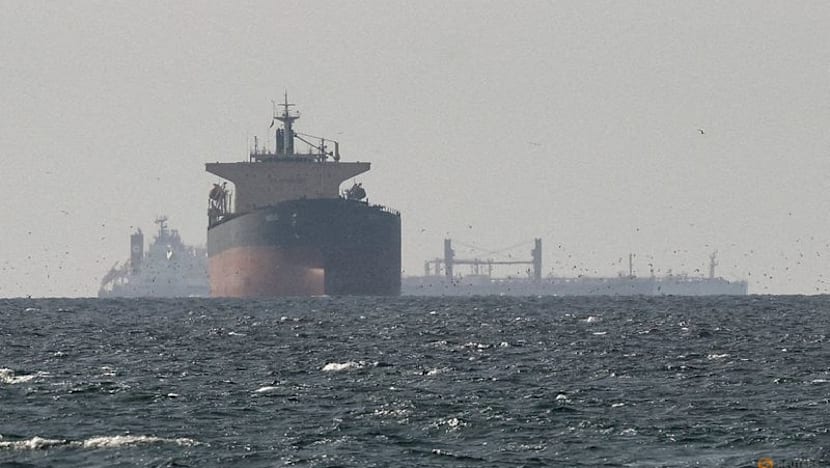
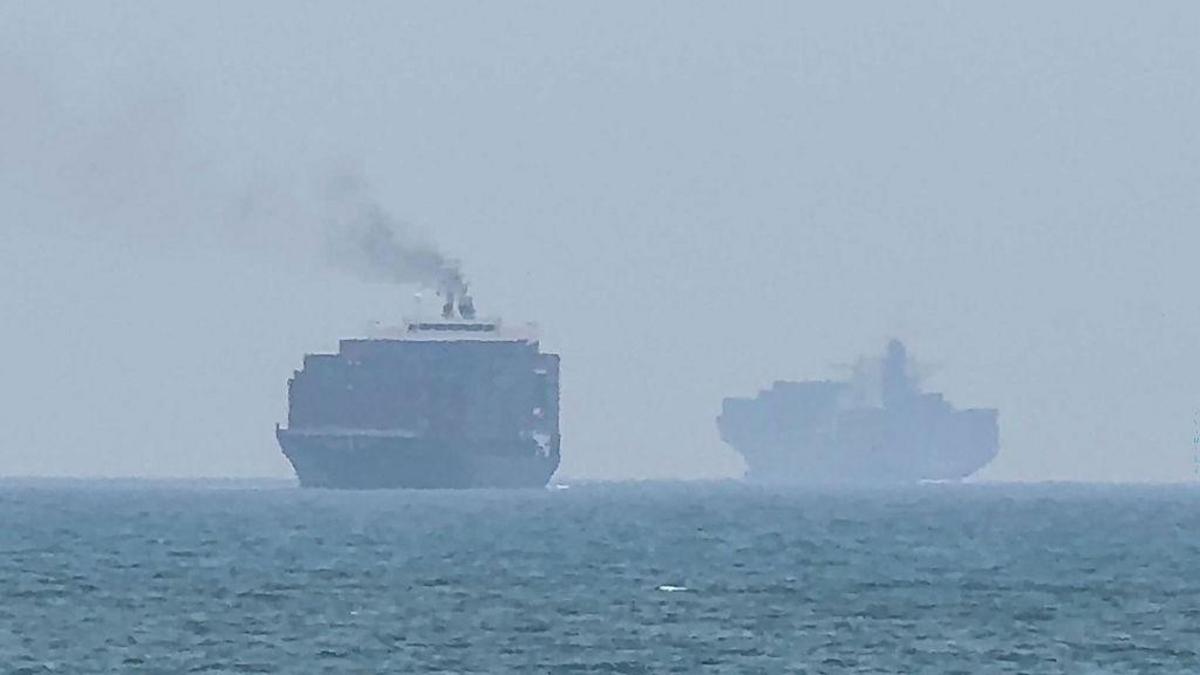
- Houthi rebels claimed to have forced the Saudi oil tanker NCC Ghazal to turn back and announced a blockade of Saudi shipping in the Bab el-Mandeb strait leading to the Red Sea, where a separate tanker reported hearing explosions
- The House narrowly passed a resolution last week to halt U.S. military action in Iran, reflecting the war's unpopularity as four U.S. troops died in the fighting and high gas prices continue amid the Strait of Hormuz closure
- Israeli Prime Minister Benjamin Netanyahu met President Trump at the White House in their first sit-down since launching the war, with Trump telling Fox News Iran knows he'll "finish the job" without a deal
- The Pentagon moved four soldiers killed and dozens wounded in the latest exchange out of its Iran war casualty tally into a new category called "Overseas Operations" after "Operation Epic Fury" officially concluded
Why it matters: Four U.S. troop deaths, high gas prices from the closed Strait of Hormuz, and the House's narrow resolution to halt military action put the war's mounting political costs squarely on November's midterm ballot, while the Pentagon reclassified those casualties into a new "Overseas Operations" category separate from the Iran war count.
Ask SkimNews