Taiwan begins Han Kuang drills, tests command flexibility — SkimNews
Get the Geopolitics newsletter
Daily geopolitics — wars, elections, sanctions, the diplomatic moves that move markets. Free.
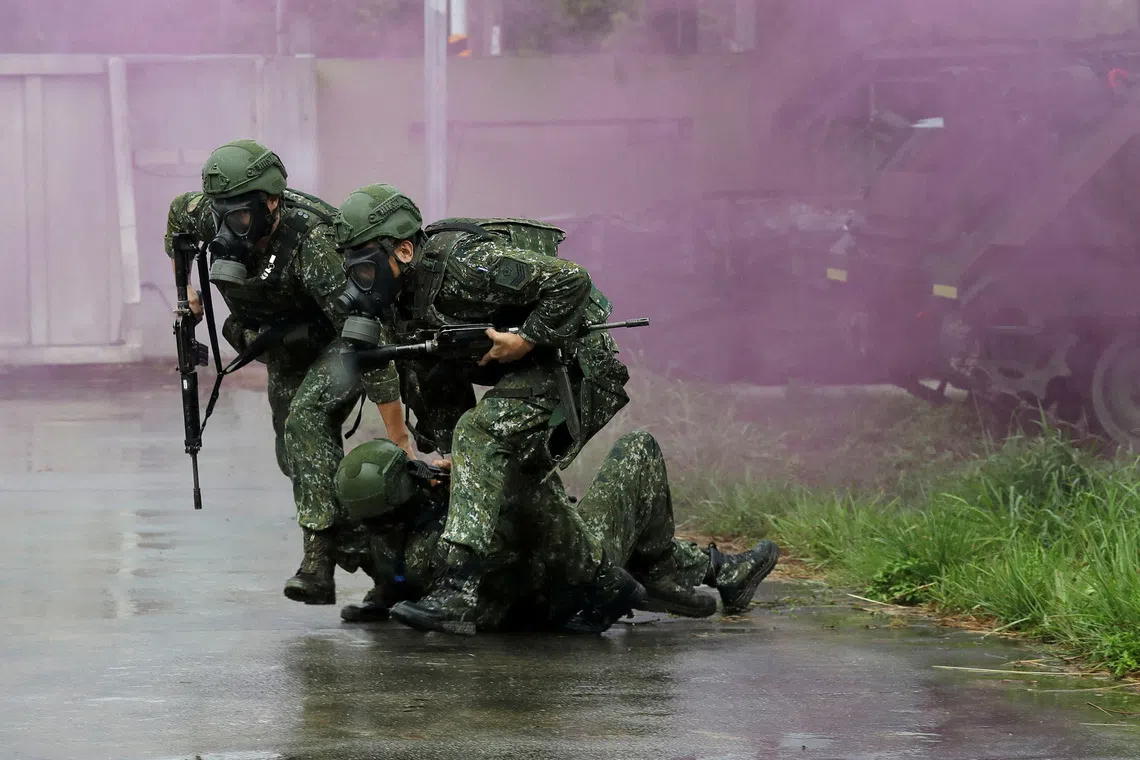
- Taiwan began its 10-day annual Han Kuang military drills Wednesday after an underground command centre in Taipei issued the order, triggering combat-readiness moves including fighter jet dispersals and emergency naval deployments.
- The drills incorporate for the first time a "backbrief" approach modelled on U.S. military practice, where junior officers receiving orders restate mission details to commanders to ensure operational intent is in sync.
- For the first time, mobile internet speeds will be deliberately slowed to test how civilians would communicate if bandwidth became scarce, while the military simulates wartime relocation of a major arsenal and mobilises civilian factories.
- The exercises focus on the concern that China would try to paralyse command centres, ports, logistics, and defence industry sites early in an attack, and that Beijing may be rehearsing how to sever Taiwan's Pacific supply lines.
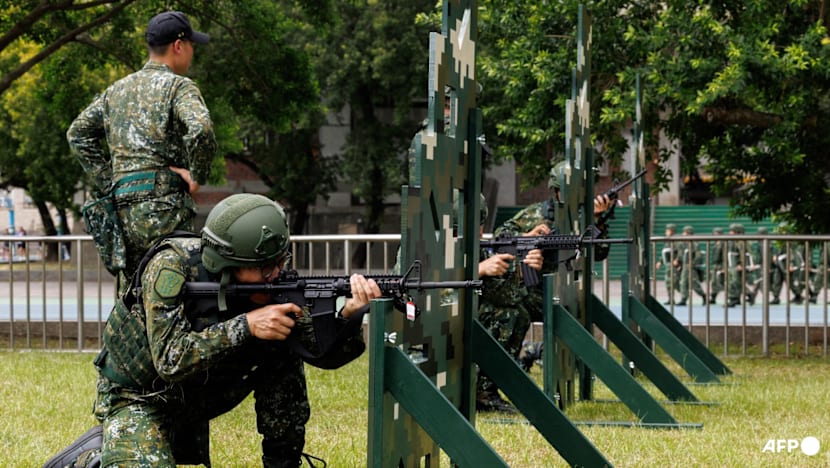
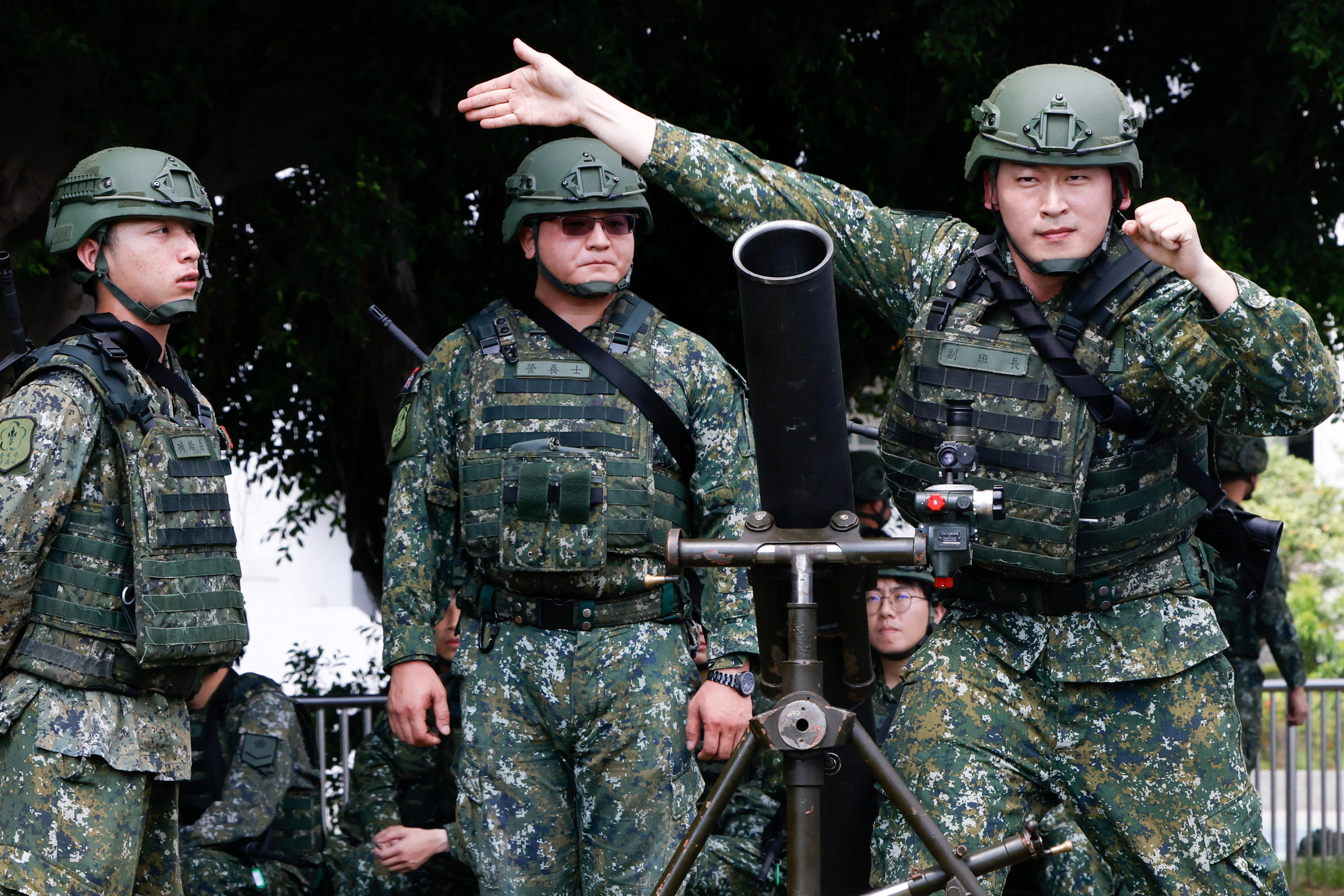
- More than 20,000 reservists will be mobilised, with reservists at a Taipei high school seen practising mortars and rifle positions; the military will also introduce an "embedded reporter" mechanism to assess wartime frontline news releases and counter enemy disinformation.
- Defence officials said the drills test field commanders with scenarios that "do not match the original enemy scenario," reflecting past criticism that exercises were too highly staged.
Why it matters: The drills mark a concrete shift from scripted exercises toward realistic wartime scenarios, with new measures (throttled mobile internet, U.S.-style backbriefs, 20,000+ reservists, embedded reporters) reflecting Taiwan's assessment that a Chinese attack would target command centres, ports, and Pacific supply lines — making civilian-military coordination under surprise conditions as critical as weaponry.
Ask SkimNews