Tesla still leads US fast-charger growth – but it’s raised its prices — SkimNews
Get the Energy newsletter
Daily energy & climate — solar, EVs, oil, the policy fights and tech bets shaping the transition. Free.
- Paren's Q3 2026 State of the US Fast EV Charging Industry report found operators added 4,106 fast-charging ports at 664 stations from July through September, bringing the US total to 80,964 ports across 14,614 locations — roughly 9% fewer ports and 20% fewer stations than the same period last year.
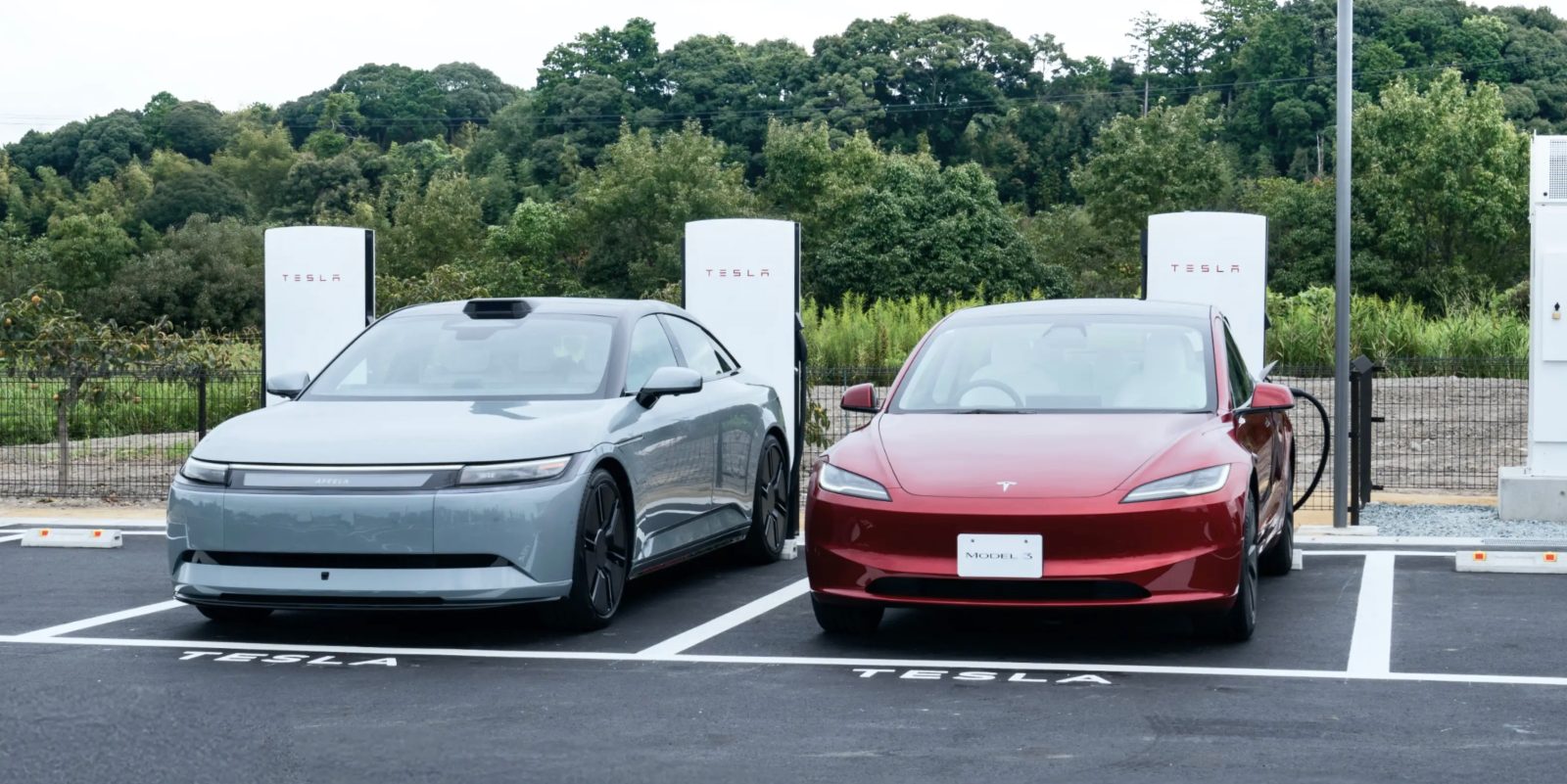
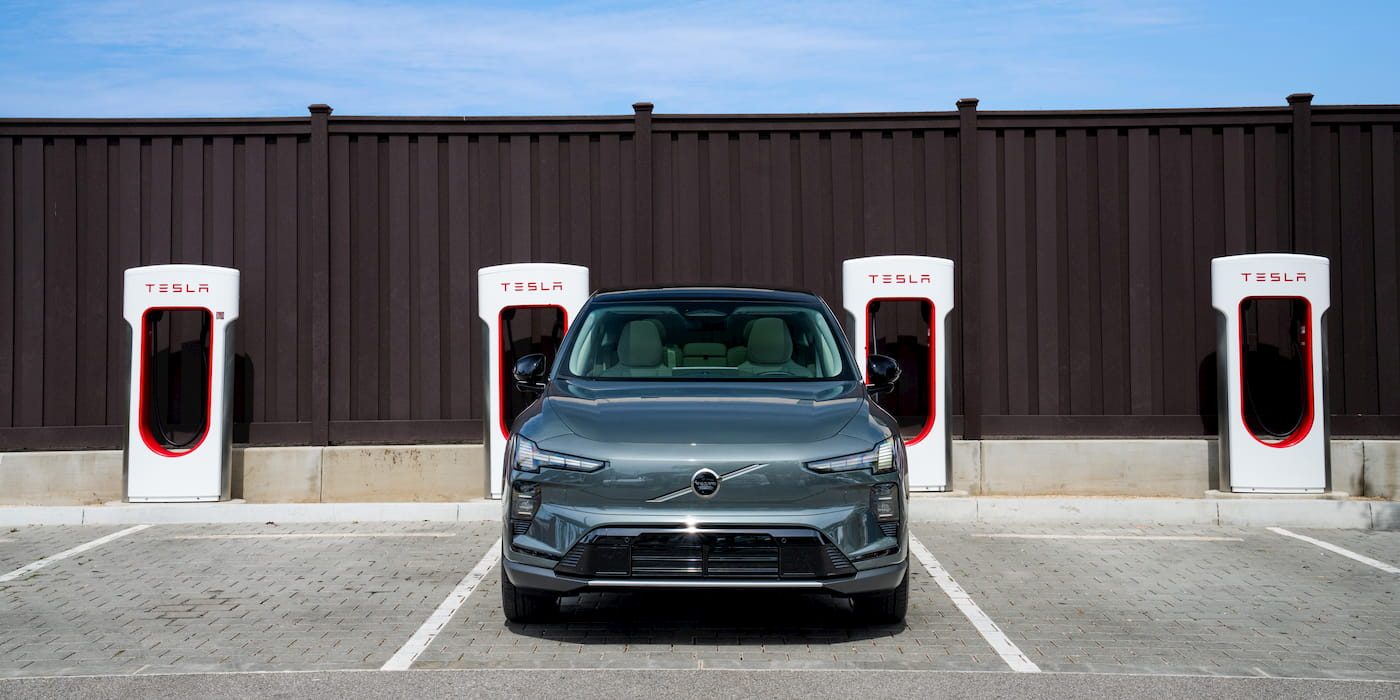
- Tesla led network expansion with 1,287 new ports in Q3 plus 124 through its Supercharger for Business program; its new stations averaged 13.1 ports and it opened 11 locations with at least 24 stalls, including a 48-stall site in Fort Lauderdale, Florida.
- Tesla also lifted its average non-member Supercharger price 15% year-over-year to 56.9 cents per kWh, with member prices up 9% to 39.6 cents — while non-Tesla networks held near 53.3 cents per kWh for the fifth consecutive quarter, making Tesla the main driver behind the national average ticking up 2.7% to 54 cents.
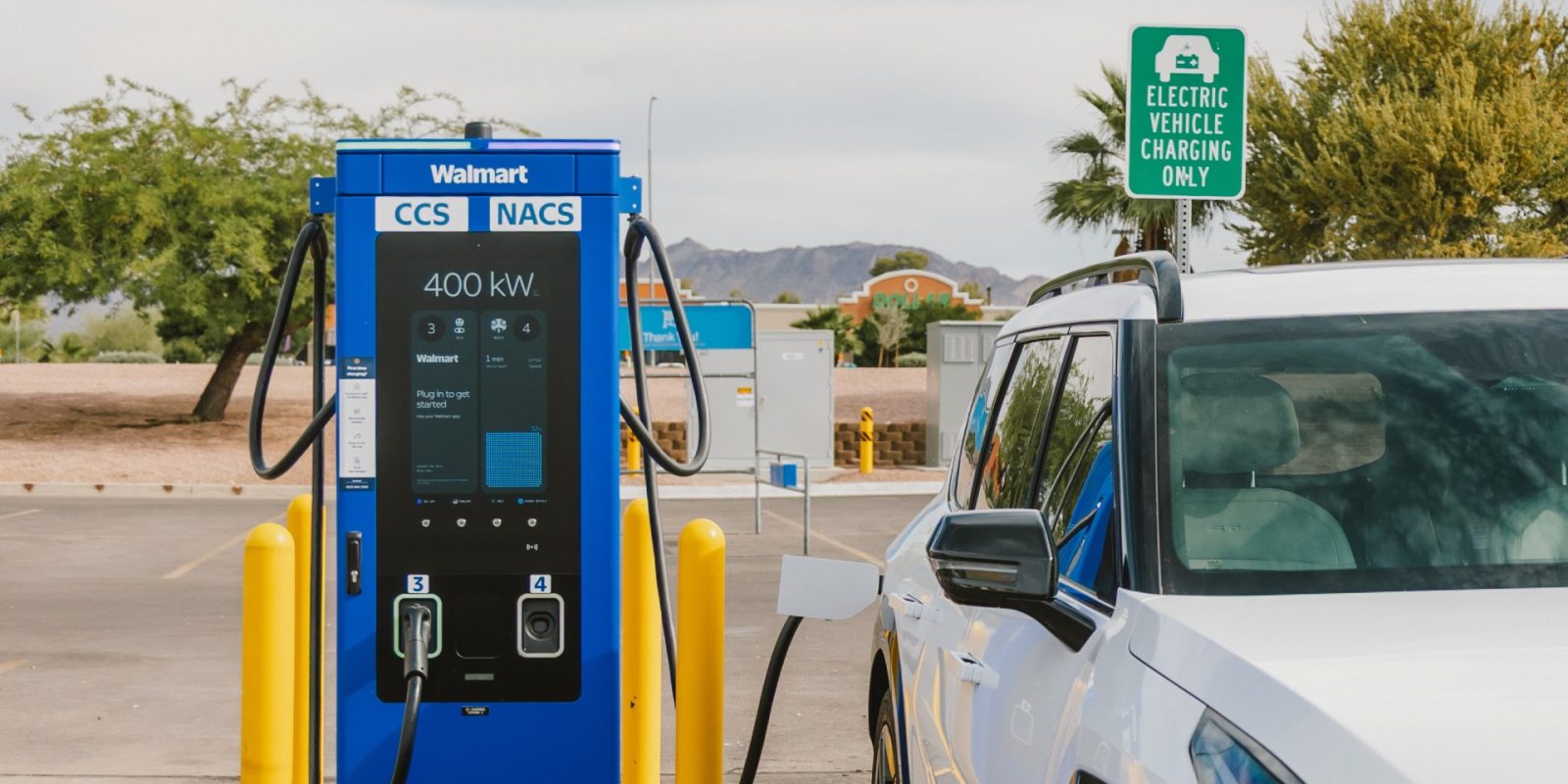
- IONNA took second place with 378 ports added (more than double its Q2 figure), much of it from converting 44 former Circle K charging sites, while Walmart placed third with 344 ports added.
- 73% of new ports across all networks were rated at least 250 kilowatts, up from 60% a year earlier, and non-Tesla ports at 400 kW or more accounted for 35% of additions versus 10% a year ago.
- Fast-charging sessions hit 50.4 million in Q3, up 26% year-over-year, with July setting a monthly record at 17.6 million; national utilization barely moved to 15.9%, but Los Angeles led the 30 largest markets at 31.8%, and reliability held at a national score of 93.9.
- Urban markets absorbed 90% of Q3's new stations, while rural markets received just 68 of the 664 additions, underscoring that bigger urban sites haven't translated into broader geographic coverage.
Why it matters: Tesla's 15% Supercharger price hike, even as it added more ports than any rival, runs directly into IONNA's 39-cent kWh rate and Walmart's price-driven expansion — meaning the network leader is monetizing faster than competitors are, but its pricing power is narrowing precisely as the gap between Tesla and the rest widens to 3.6 cents per kWh.
Ask SkimNews