Microsoft Fairwater Exposes AI's GPU Energy Demands — SkimNews

Get the Tech newsletter
Daily tech — startups, AI labs, chips, the launches that shape the next decade. Free.
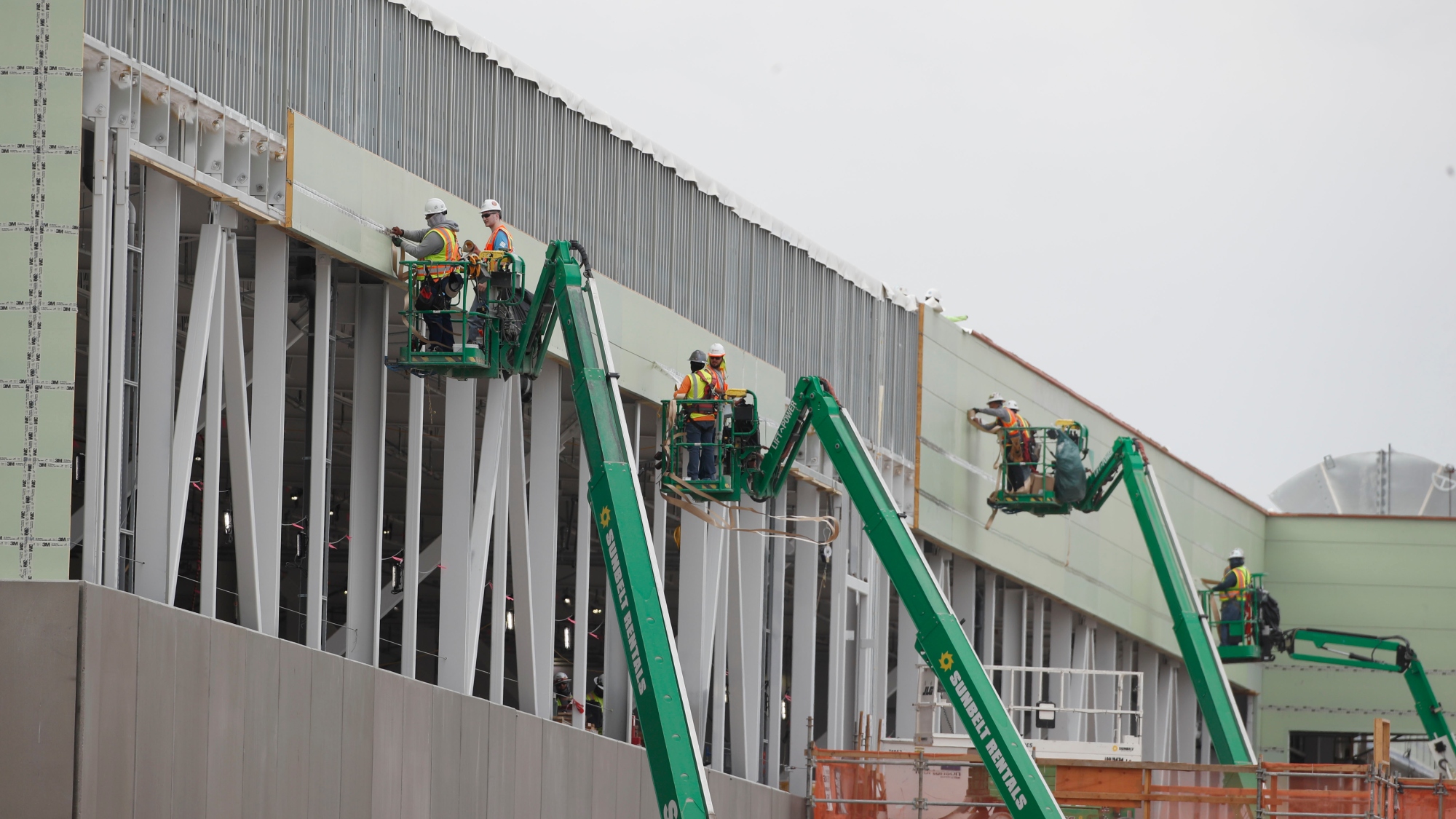
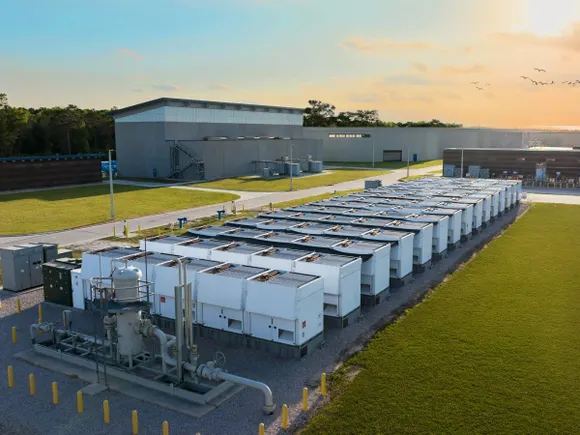
- Microsoft's Fairwater data center in Mount Pleasant, Wisconsin — the world's most powerful AI facility, built on the failed Foxconn LCD site — houses racks of 72 Nvidia B200 Blackwell GPUs stacked two high, with each chip drawing up to 1,200W at max capacity.
- Data center siting in the US, which already hosts more such facilities than any other country and plans for many more, is driving up local energy prices without creating commensurate jobs, putting hyperscale AI infrastructure next to residential communities.
- The NAACP has sued xAI (now doing business as SpaceXAI) over air pollution from gas generators powering its massive data centers, escalating the fight over tech siting to a civil-rights frame.
- UC Riverside's Shaolei Ren is researching data centers' local air-quality and water impacts and proposes a "community-integrated data center approach" to prevent harm to nearby residents, calling the mitigation "definitely doable."
- GPU manufacturing and disposal carry costs from raw material mining and toxic chemical exposure for workers, layered on top of the energy and water consumed during operation and end-of-life e-waste.
- Catherine Flick of University of Staffordshire and product strategist Ashley Striblet pushed back on VCs blaming AI's slow consumer uptake on environmental press, saying people aren't seeing the promised benefits — Flick: "It's just rubbish what they're saying that their technology can do."
- Consumer and gaming hardware — Nvidia's RTX 5090 at 575W TDP, the PS5 at roughly 220W, and Apple's A19 chip inside an estimated 1.5 billion active iPhones — raises the same energy-use questions as AI data centers, complicating any single-industry critique.
Why it matters: AI data centers are landing in US communities that gain few jobs but absorb higher utility bills, air pollution, and water strain — and the NAACP's lawsuit against xAI/SpaceXAI shows the fight is shifting from advocacy to litigation over environmental justice in tech siting decisions.
Ask SkimNews