Devastating European wildfires in maps - and how they're being tackled — SkimNews
Get the Energy newsletter
Daily energy & climate — solar, EVs, oil, the policy fights and tech bets shaping the transition. Free.
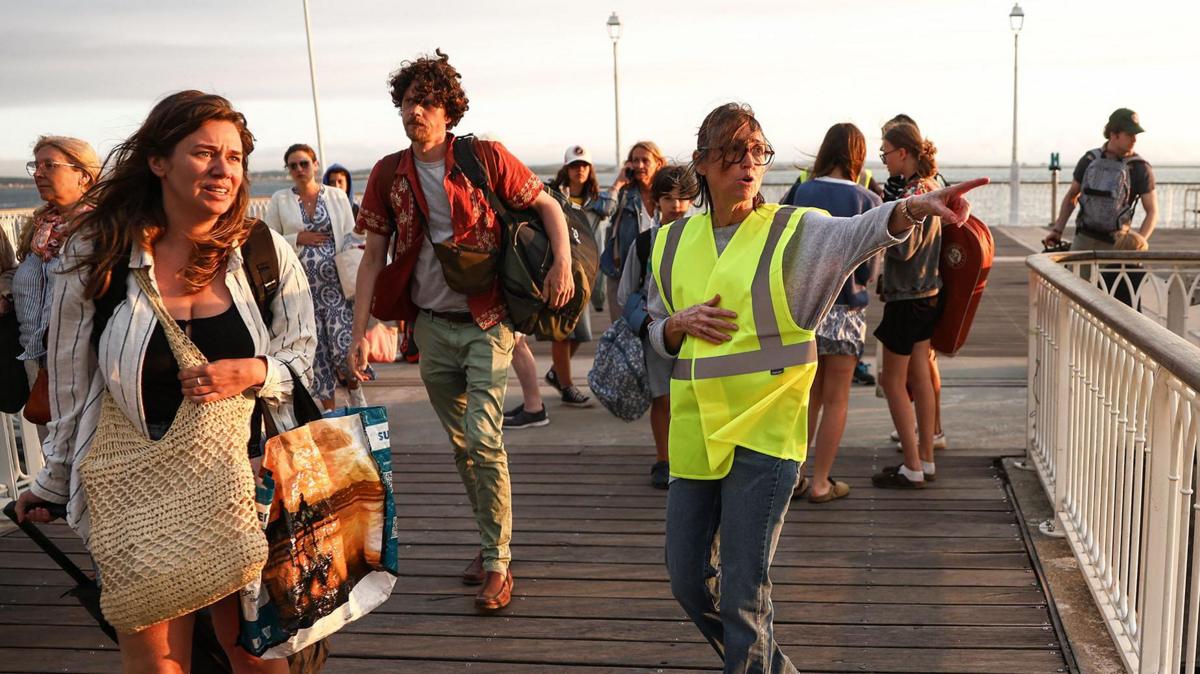
- Wildfires across France, Spain, and Portugal have forced more than 300,000 people from their homes since mid-July, with Madrid officials calling them the region's worst ever and President Macron labeling Gironde's blaze "the toughest since World War Two."
- Fires near Madrid have burned roughly 606 square miles since 1 July—more than twice the size of the city itself—according to the European Forest Fire Information System (Effis).
- The Gironde blaze scorched over 162 square miles in less than four days, an area four times the size of Paris, and crept within nine miles of Bordeaux while threatening sites linked to French ballistic missiles, rocket motors, and hazardous chemicals processing.
- The fires generated their own pyrocumulonimbus thunderstorms, producing lightning that can ignite new blazes and creating unpredictable conditions that hamper containment efforts.
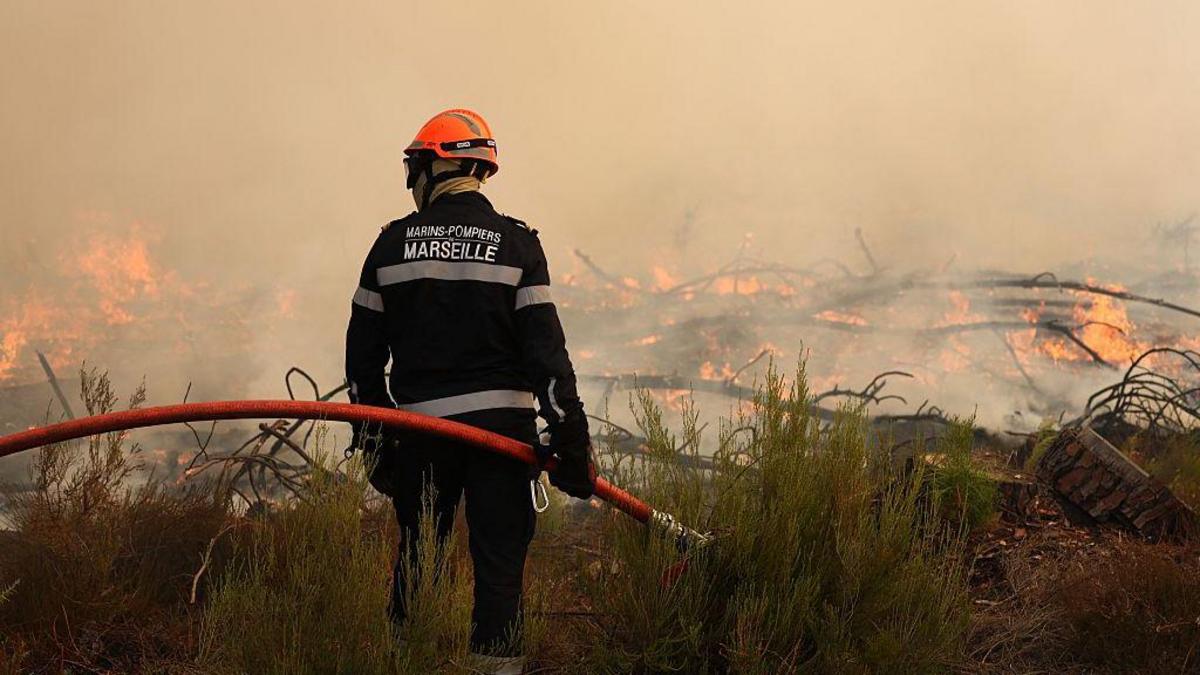
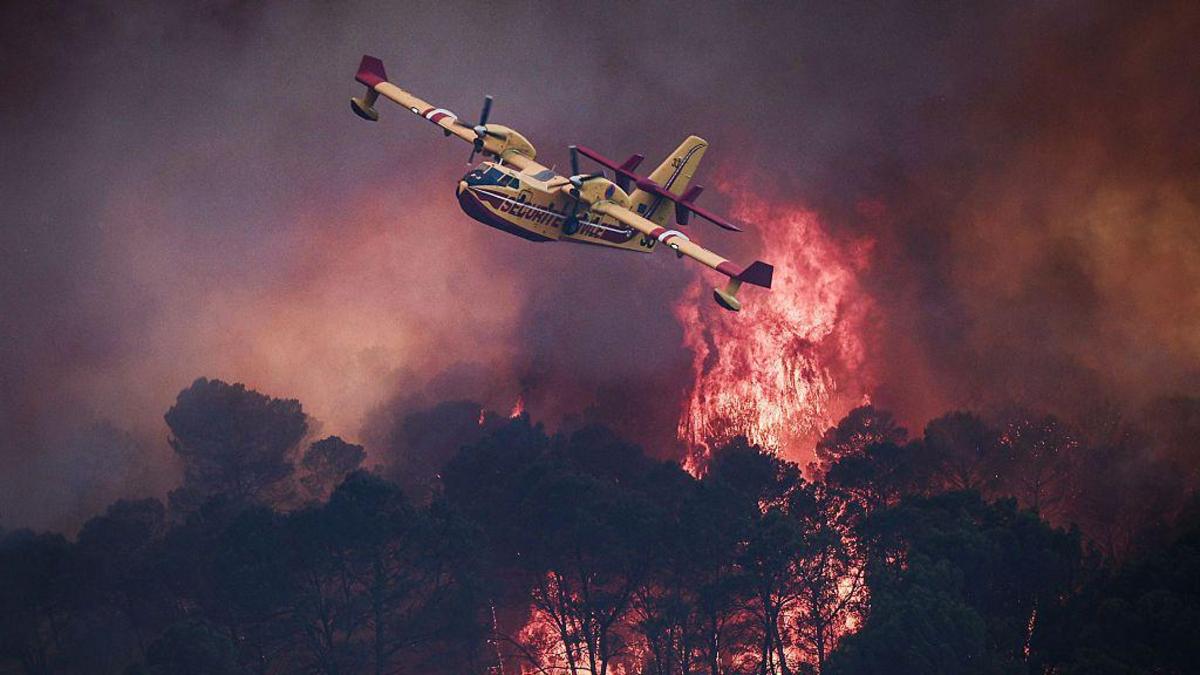
- France deployed about 2,500 firefighters, 1,500 military personnel, and 1,200 police to Gironde, alongside Canadair planes that scoop 6,000 litres of water in 12 seconds; four French firefighters have died on duty.
- Gironde official Jean-Luc Gleyze told the BBC authorities lack adequate resources, saying bluntly: "we don't have enough people and enough trucks and even I think France don't have enough."
- Spanish Prime Minister Pedro Sánchez tied the crisis to climate change, telling regional governments that "climate denial is the worst fuel for the fight against the climate emergency."
Why it matters: With 300,000+ evacuated, facilities tied to French ballistic missiles and hazardous chemicals in the fire's path, and a regional official conceding France lacks enough firefighters and trucks, the crisis is exposing a resource gap in Europe's firefighting capacity. Spain's prime minister is explicitly naming climate change as the accelerant, sharpening the political stakes for prevention and reconstruction policy across the continent.
Ask SkimNews